Deciding when to upgrade your iPhone often feels like a balancing act. Should you embrace the immediate improvements of the latest release, the iPhone 16, or exercise patience and wait for the promises of the iPhone 17? This is a common dilemma for many, and it’s a question I recently helped my own father navigate. The answer isn’t universal; it hinges on individual needs, current device condition, and how much you value bleeding-edge technology versus potential future advancements.
- Key Takeaways:
- The iPhone 16: What it Offers
- Performance and Processing:
- Display:
- Camera System:
- Design and Other Features:
- The iPhone 17: Anticipated Advancements
- Performance and Processing:
- Display:
- Camera System:
- Design and New Models:
- The Dilemma: iPhone 16 vs. iPhone 17
- iPhone 16 Specifications (Pro Max Model for reference):
- FAQs
Key Takeaways:
- The iPhone 16 series, released in September 2024, brought significant advancements like the A18 and A18 Pro chips, larger displays, a new Camera Control button, and enhanced AI capabilities with Apple Intelligence.
- The iPhone 17 series, expected in September 2025, is rumored to introduce a more substantial redesign, a powerful A19 chip, ProMotion displays across all models, upgraded front and rear cameras, and potentially a new ultra-thin “Air” model.
- Consider your current iPhone’s performance, battery health, and camera capabilities. If your device is struggling, the iPhone 16 offers a compelling upgrade.
- If you prioritize a significant design overhaul, a 120Hz display on a non-Pro model, or the very latest in camera technology, waiting for the iPhone 17 may be prudent.
- Trade-in values for older iPhones depreciate rapidly as new models approach. Selling your current device before the iPhone 17 launch could maximize its value.
For years, the September Apple event has been a highlight for tech enthusiasts and casual users alike. Each new iPhone generation promises faster performance, improved cameras, and a host of new features. The iPhone 16, unveiled in September 2024, delivered on many of these expectations. However, with the consistent rhythm of Apple’s annual release cycle, speculation about the iPhone 17, anticipated for September 2025, is already circulating widely. This foresight creates a unique challenge for consumers: to buy now or to wait.
The iPhone 16: What it Offers
Apple officially unveiled the iPhone 16 series on September 9, 2024, with pre-orders beginning September 13 and general availability starting September 20. This lineup introduced a range of improvements over its predecessors.
Performance and Processing:
The iPhone 16 and iPhone 16 Plus are powered by the new A18 chip, while the iPhone 16 Pro and iPhone 16 Pro Max feature the A18 Pro chip. Both are 3nm chips with a powerful 16-core Neural Engine, designed to support the new Apple Intelligence features. This marks a significant leap in processing power, especially for AI-driven tasks. Apple Intelligence, the company’s suite of AI-powered features, is a central theme, aiming to personalize and enhance user experience across the device.
Display:
The iPhone 16 Pro and iPhone 16 Pro Max introduced larger display sizes: 6.3 inches for the iPhone 16 Pro and 6.9 inches for the iPhone 16 Pro Max – the largest iPhone display ever. These Pro models retain the Super Retina XDR display with ProMotion technology (120Hz adaptive refresh rate) and Always-On display. The standard iPhone 16 and iPhone 16 Plus maintained a 60Hz refresh rate.
Camera System:
The iPhone 16 series saw substantial camera upgrades. The iPhone 16 Pro and iPhone 16 Pro Max feature a new 48MP Fusion camera with a faster quad-pixel sensor, enabling 4K120 fps video recording in Dolby Vision. A new 48MP Ultra Wide camera also arrived with a quad-pixel sensor and autofocus, allowing for higher-resolution 48MP ProRAW and HEIF images. The iPhone 16 Pro also inherited the 5x optical telephoto camera from the iPhone 15 Pro Max. The base iPhone 16 and iPhone 16 Plus received a 48MP main camera and a 12MP ultra-wide camera with macro mode. A new “Camera Control” button was debuted on all iPhone 16 models, allowing for quick video recording, photo capture, and zoom adjustments.
Design and Other Features:
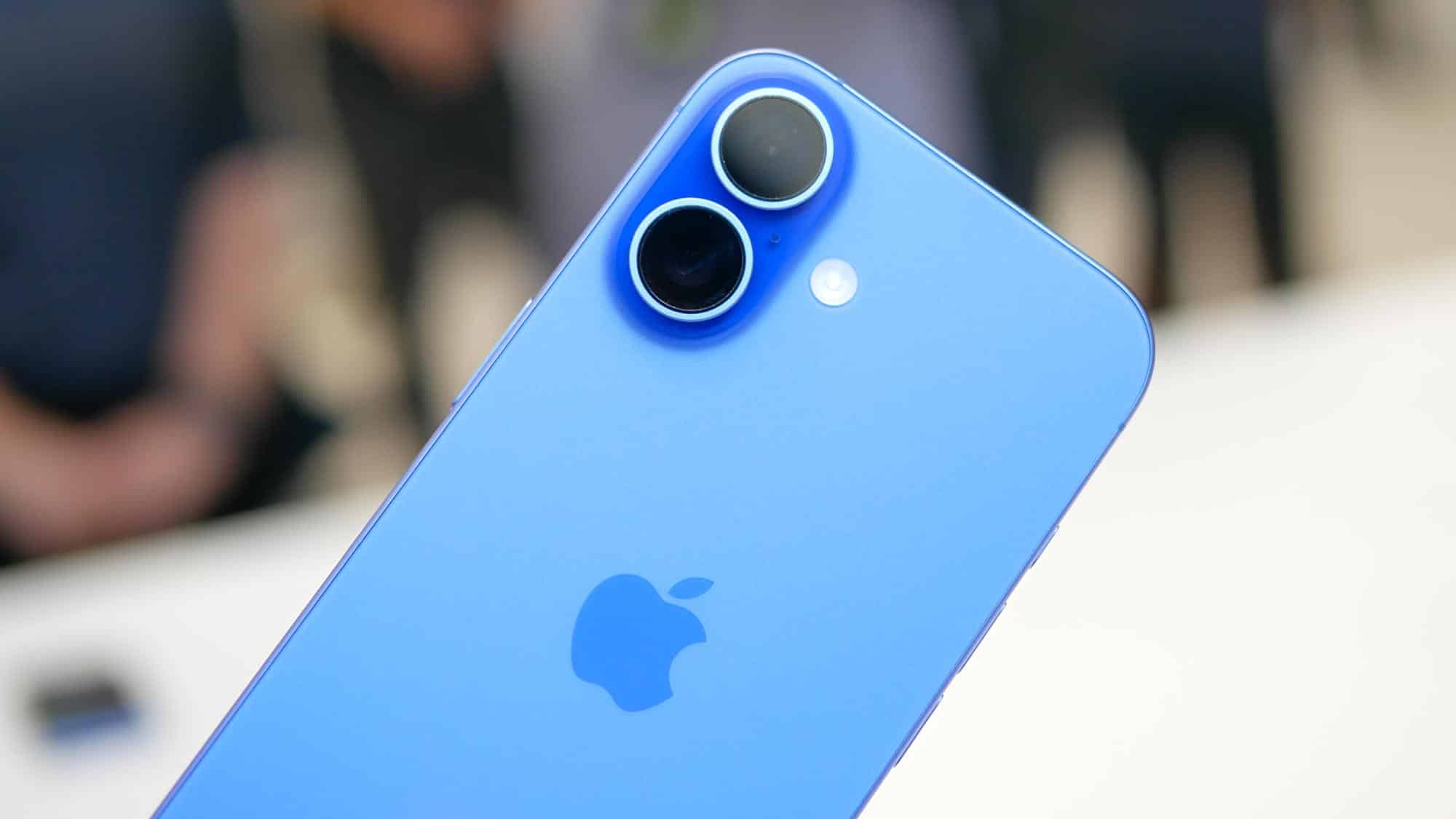
The Pro models feature thinner bezels and a redesigned internal structure for improved thermal management. All iPhone 16 models include a new Camera Control button and, on the non-Pro models, a vertical rear camera placement. They support iOS 18 out of the box, which includes Apple Intelligence. The iPhone 16 supports 25W MagSafe wireless charging and Qi2 standard wireless charging up to 15W.
The iPhone 17: Anticipated Advancements
The iPhone 17 series is expected to launch in September 2025. Rumors and leaks suggest a more significant overhaul than the iPhone 16 brought, particularly for the standard models.
Performance and Processing:
The iPhone 17 models are anticipated to feature the next-generation A19 chip, with the Pro models likely getting an A19 Pro. This chip will be built on an upgraded 3nm process, promising further improvements in efficiency and speed, especially for AI functionalities. There are also rumors of Apple designing its own Wi-Fi 7 chip for the iPhone 17, potentially leading to improved wireless performance and ecosystem integration.
Display:
One of the most anticipated changes for the iPhone 17 is the expansion of ProMotion display technology (120Hz refresh rate) to all models, including the standard iPhone 17 and iPhone 17 Air. The base iPhone 17 is also rumored to feature a larger 6.3-inch OLED panel, matching the size of the iPhone 16 Pro. This would be a significant upgrade for non-Pro users currently limited to 60Hz displays.
Camera System:
The iPhone 17 is expected to see a substantial upgrade to its front-facing camera, moving to 24MP from the current 12MP on iPhone 16 models. This improvement will enhance selfie quality and detail. The iPhone 17 Pro Max is rumored to be the first iPhone with three 48MP cameras (Wide, Ultra Wide, and Telephoto), with the telephoto lens potentially offering a different optical zoom. Some speculation also points to dual video recording (front and rear cameras simultaneously) and a mechanical aperture for the Wide camera in Pro models, allowing greater control over depth of field.
Design and New Models:
Reports suggest Apple might introduce an ultra-thin iPhone 17 “Air” model, with an even thinner design and possibly a single rear camera. There are also rumors of a potential redesign for the camera bump on the Pro models, moving to a larger rectangular aluminum bump instead of a square glass one. Some sources even hint at the Pro models transitioning back to an aluminum frame with a half-glass, half-aluminum back for improved durability and wireless charging.
The Dilemma: iPhone 16 vs. iPhone 17
When my dad asked me this question, his iPhone 12 was showing its age. Battery life was dwindling, and the camera, while still good, couldn’t keep pace with newer devices. My advice to him, and what I generally recommend, boils down to several factors:
Current Device Condition and Usage: If your current iPhone is several generations old (iPhone 12 or older), or if its battery health is poor, or if you find its performance noticeably slow for your daily tasks, the iPhone 16 is a substantial upgrade. The A18/A18 Pro chips offer a significant speed boost, the camera improvements are tangible, and the larger screens on the Pro models enhance the viewing experience. For my dad, the consistent daily use and declining battery life of his iPhone 12 made the iPhone 16 a compelling immediate choice.
Value for Money and Trade-in: The iPhone 16 offers excellent value, especially if you can get a good trade-in deal for your older device. It’s important to remember that trade-in values depreciate quickly as a new model approaches. If you wait for the iPhone 17, the trade-in value of your current phone (and even the iPhone 16) will likely decrease. Nearly half of new iPhone buyers now trade in or sell their old devices, highlighting the financial benefits.
Desire for Cutting-Edge Features and Design: If you prioritize having the very latest technology, especially in terms of design and display, then waiting for the iPhone 17 might be the better option. The rumored ProMotion for all models, the larger display on the base iPhone 17, and the potential for a radically thin “Air” model represent more significant evolutionary steps in Apple’s design and display strategy for the non-Pro lineup. The upgraded 24MP front camera and the potential for a mechanical aperture are also major draws for photography enthusiasts.
The “Air” Factor and Future-Proofing: The rumored iPhone 17 “Air” could signal a new tier in Apple’s lineup, focusing on extreme thinness. If a super-slim form factor is appealing, waiting is the only way to get it. Furthermore, a device released later (iPhone 17) will naturally receive software updates for a longer period, arguably making it more “future-proof” in terms of software support.
AI Integration: While the iPhone 16 integrates Apple Intelligence, the iPhone 17, with its A19 chip, will likely refine and expand upon these AI capabilities. If AI-driven features are a primary reason for your upgrade, the iPhone 17 might offer a more mature and powerful AI experience.
iPhone 16 Specifications (Pro Max Model for reference):
- Display: 6.9-inch Super Retina XDR OLED, 2868×1320 pixels at 460 ppi, ProMotion (120Hz), Always-On Display.
- Processor: A18 Pro chip with 16-core Neural Engine.
- Rear Camera System:
- 48MP Fusion (Wide): f/1.78 aperture, second-generation sensor-shift optical image stabilization.
- 48MP Ultra Wide: f/2.2 aperture, 120° field of view, autofocus.
- 12MP 5x Telephoto: f/2.8 aperture, 120 mm focal length, 3D sensor-shift optical image stabilization.
- Front Camera: 12MP, f/1.9 aperture, autofocus with Focus Pixels.
- Video Recording: Up to 4K at 120 fps ProRes, Spatial video recording, Cinematic mode, Action mode.
- Connectivity: 5G, Wi-Fi 7 (802.11be), Bluetooth 5.3, Second-generation Ultra Wideband chip.
- Charging: 25W MagSafe wireless charging, 15W Qi2 wireless charging, 7.5W Qi wireless charging.
- Storage: 256GB, 512GB, 1TB.
- Operating System: iOS 18.
- Features: Dynamic Island, Action Button, Camera Control button, Apple Intelligence.
FAQs
Q1: What are the main differences between the iPhone 16 and iPhone 17?
A1: The iPhone 16 introduced the A18/A18 Pro chips, larger displays on Pro models, and the Camera Control button. The iPhone 17 is expected to bring ProMotion displays to all models, a larger base iPhone 17 display (6.3 inches), an upgraded 24MP front camera, an A19 chip, and potentially a new ultra-thin “Air” model with a significant design change.
Q2: When were the iPhone 16 models released?
A2: The iPhone 16 series was officially unveiled on September 9, 2024, with availability starting September 20, 2024.
Q3: When is the iPhone 17 expected to be released?
A3: The iPhone 17 series is expected to be released in September 2025, following Apple’s typical annual release cycle.
Q4: Will the iPhone 17 have a 120Hz display on the standard models?
A4: Yes, rumors suggest that all iPhone 17 models, including the standard iPhone 17 and iPhone 17 Air, will feature ProMotion (120Hz) LTPO OLED displays. This would be a major upgrade for non-Pro models.
Q5: How much better will the iPhone 17’s camera be compared to the iPhone 16’s?
A5: The iPhone 17 is rumored to have a 24MP front-facing camera, a significant upgrade from the 12MP on the iPhone 16. The iPhone 17 Pro Max may also feature three 48MP rear cameras (Wide, Ultra Wide, and Telephoto) and potentially advanced features like a mechanical aperture.
Q6: Should I sell my old iPhone now or wait for the iPhone 17 to come out?
A6: It is generally advisable to sell or trade in your old iPhone before the launch of a new model. Trade-in values tend to drop significantly in the weeks leading up to and immediately following a new iPhone release.
Q7: Will Apple Intelligence be better on the iPhone 17 than on the iPhone 16?
A7: While the iPhone 16 features Apple Intelligence, the iPhone 17, with its newer A19 chip, is likely to have improved hardware specifically designed to enhance and expand upon these AI capabilities, potentially offering a more refined and powerful AI experience