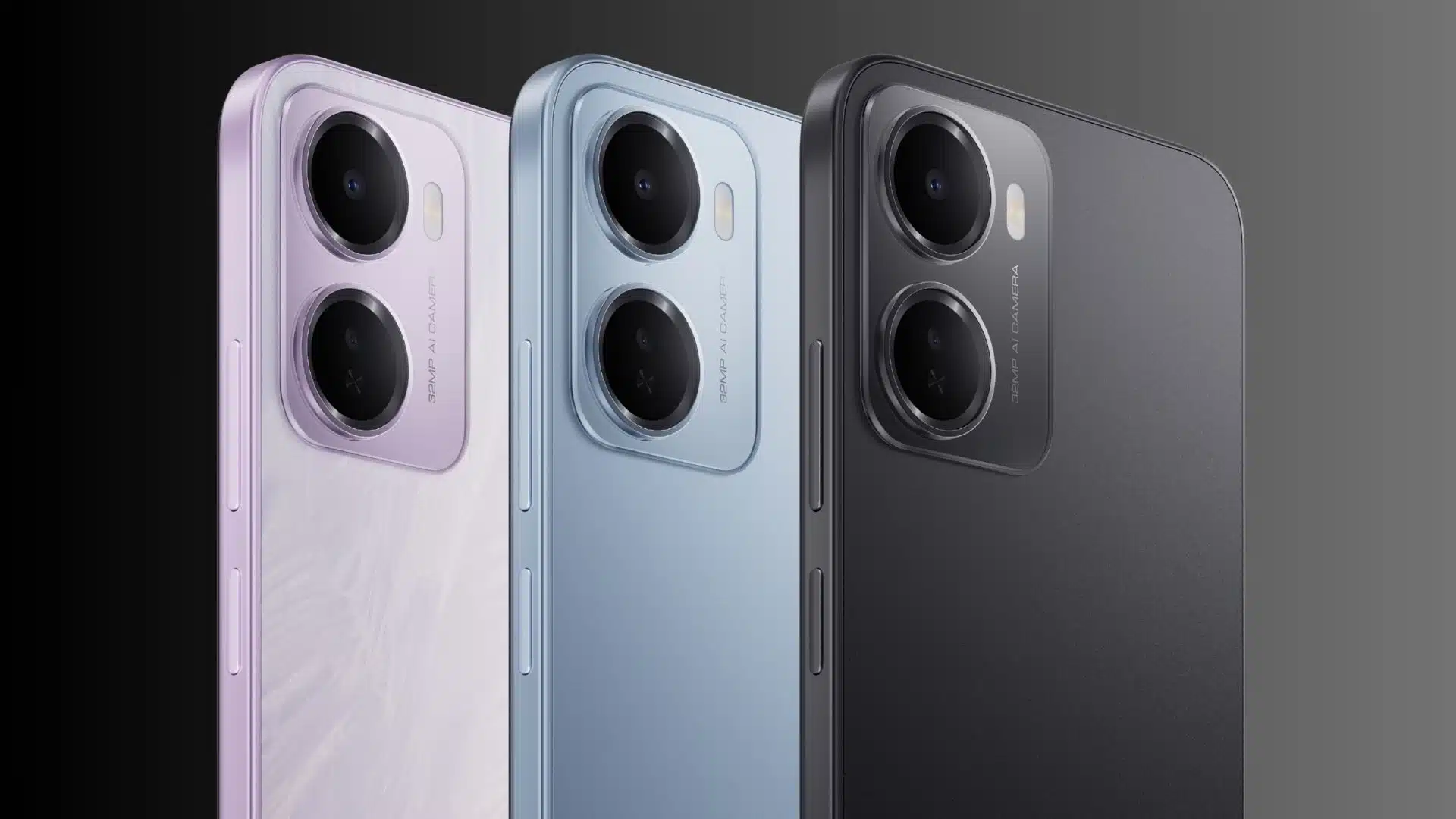


Samsung appears to be making a significant design adjustment with its upcoming Galaxy Z Fold 7, reportedly moving away from the more prominent “Saturn Ring” camera module that has characterized recent flagship devices. This reported shift suggests a response to consumer feedback and could potentially signal a new design direction for future Samsung smartphones, including the highly anticipated Galaxy S26 series. The Z Fold 7 is expected to launch at the Galaxy Unpacked event in July, where its new aesthetic will be officially unveiled.
Key Takeaways:
- The Samsung Galaxy Z Fold 7 is rumored to feature a revised, sleeker camera design, moving away from the “Saturn Ring” style.
- This design change on the Z Fold 7 is believed to be a response to public criticism regarding the aesthetics of previous camera modules, particularly on the Galaxy S25 series.
- The Z Fold 7 will feature a vertical triple camera setup with slim, polished rings, aiming for a more premium and minimalist look.
- The primary camera on the Z Fold 7 is expected to be a 200-megapixel sensor, a significant upgrade from its predecessor.
- There is speculation that the Galaxy S26 series, due in early 2026, might also adopt a similar refined camera design, abandoning the bulkier modules.
- Samsung’s design philosophy appears to be evolving, balancing high-performance camera hardware with a desire for slimmer, more elegant device profiles.
The Evolution of Samsung’s Camera Aesthetics
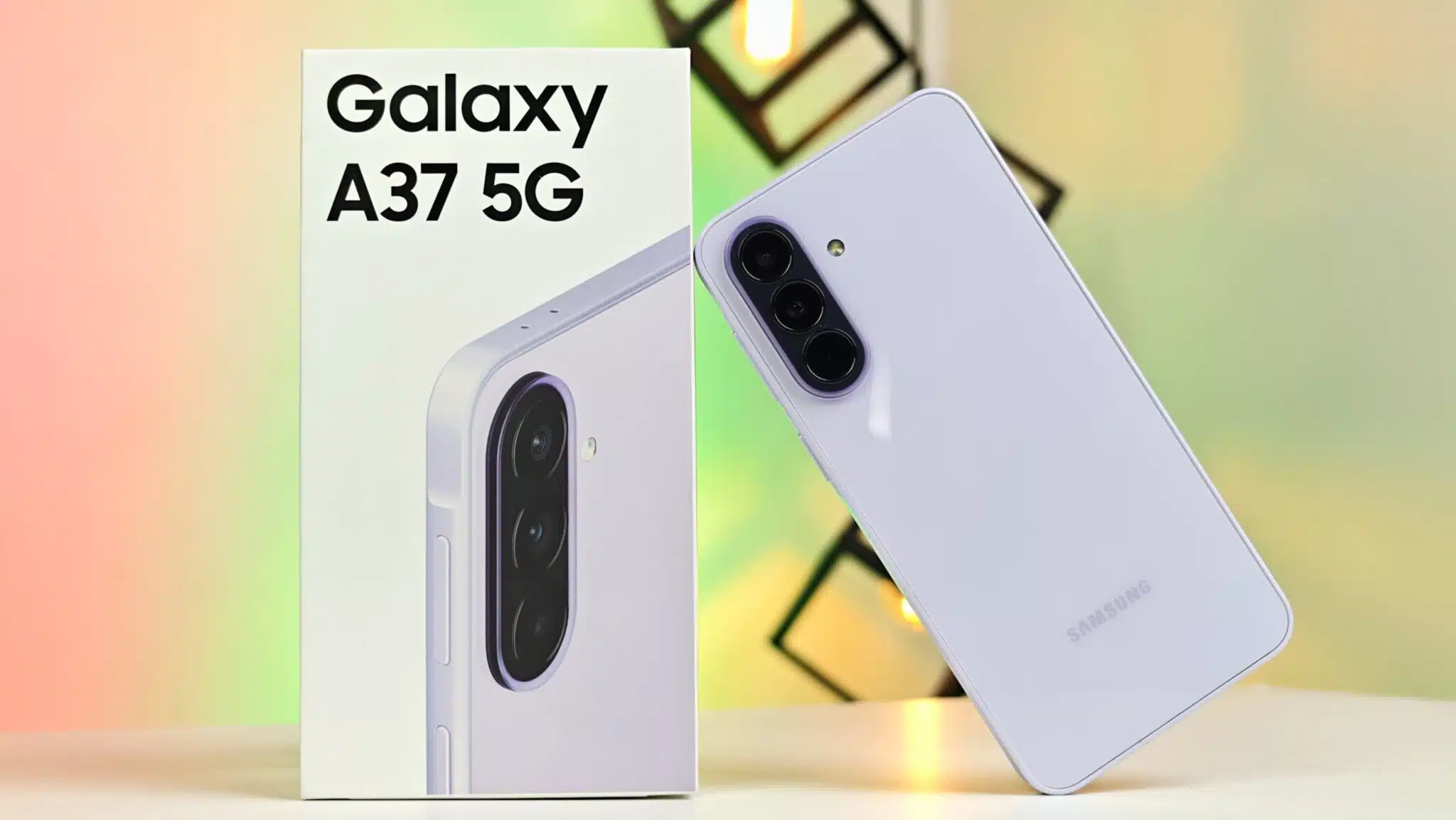
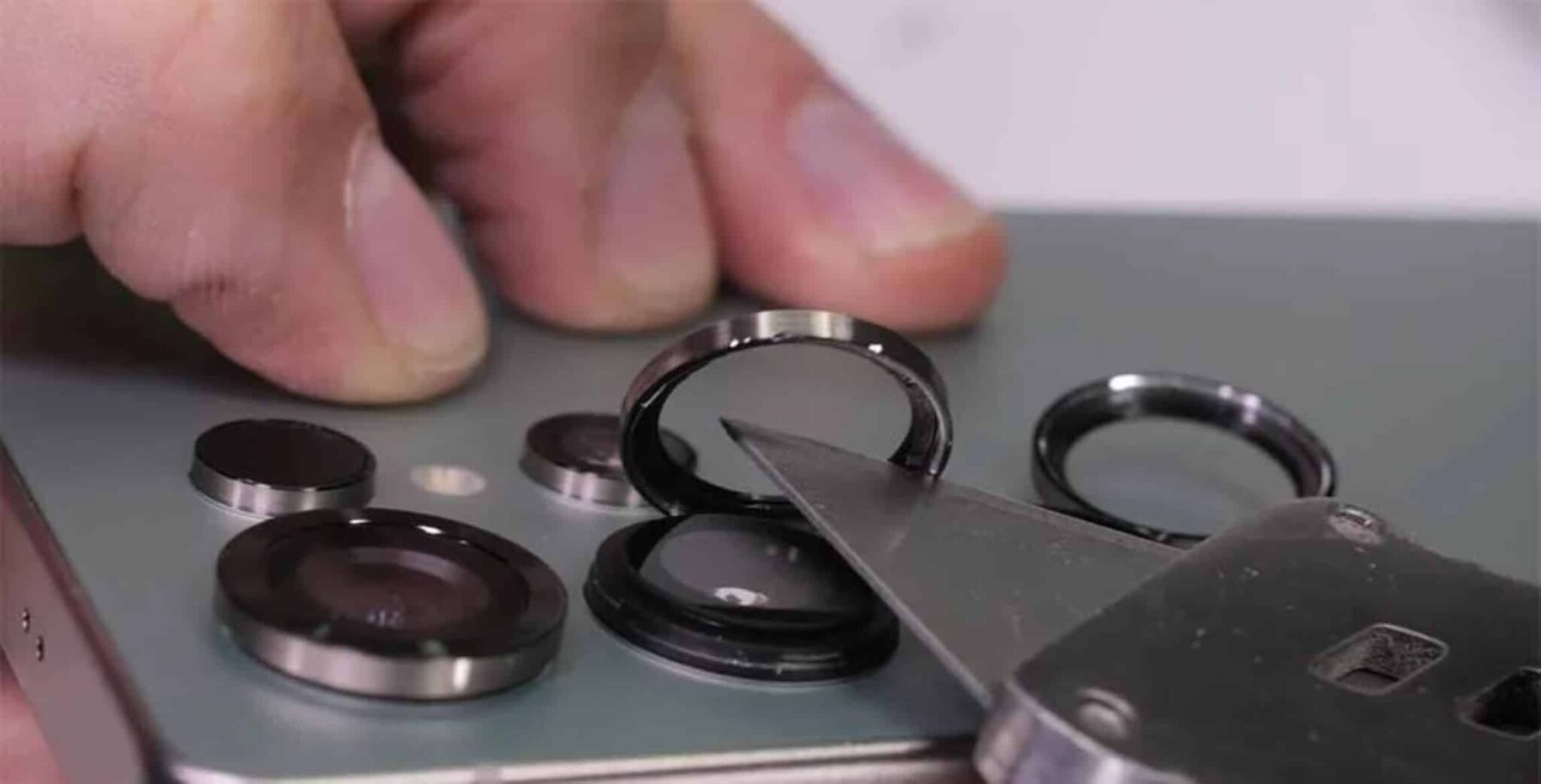
For years, Samsung has consistently been a leader in smartphone camera technology, pushing boundaries in sensor size, pixel count, and computational photography. However, the physical design of its camera modules has at times drawn varied reactions from users and critics. Recent iterations, particularly the “Saturn Ring” design seen on some Galaxy S25 models, featured distinct, often thick, individual camera rings. While these designs served to highlight the advanced camera hardware within, some users found them less aesthetically pleasing, describing them as “tacky” or “cheap” in online discussions on platforms like Reddit and X (formerly Twitter). These criticisms often centered on the perceived bulkiness and lack of visual integration with the phone’s overall design.
Samsung’s design philosophy has often aimed for a balance between cutting-edge technology and refined aesthetics. Historically, the company has experimented with various camera module designs, from the vertical pill-shaped modules of earlier Galaxy S models to the contour-cut camera housing introduced with the Galaxy S21 series. Each iteration has been a testament to the ongoing challenge of integrating increasingly sophisticated camera systems into slim, portable devices. The shift observed with the Z Fold 7 indicates a potential re-evaluation of this balance, prioritizing a more cohesive and premium visual appeal.
Z Fold 7: A Return to Sleeker Lines
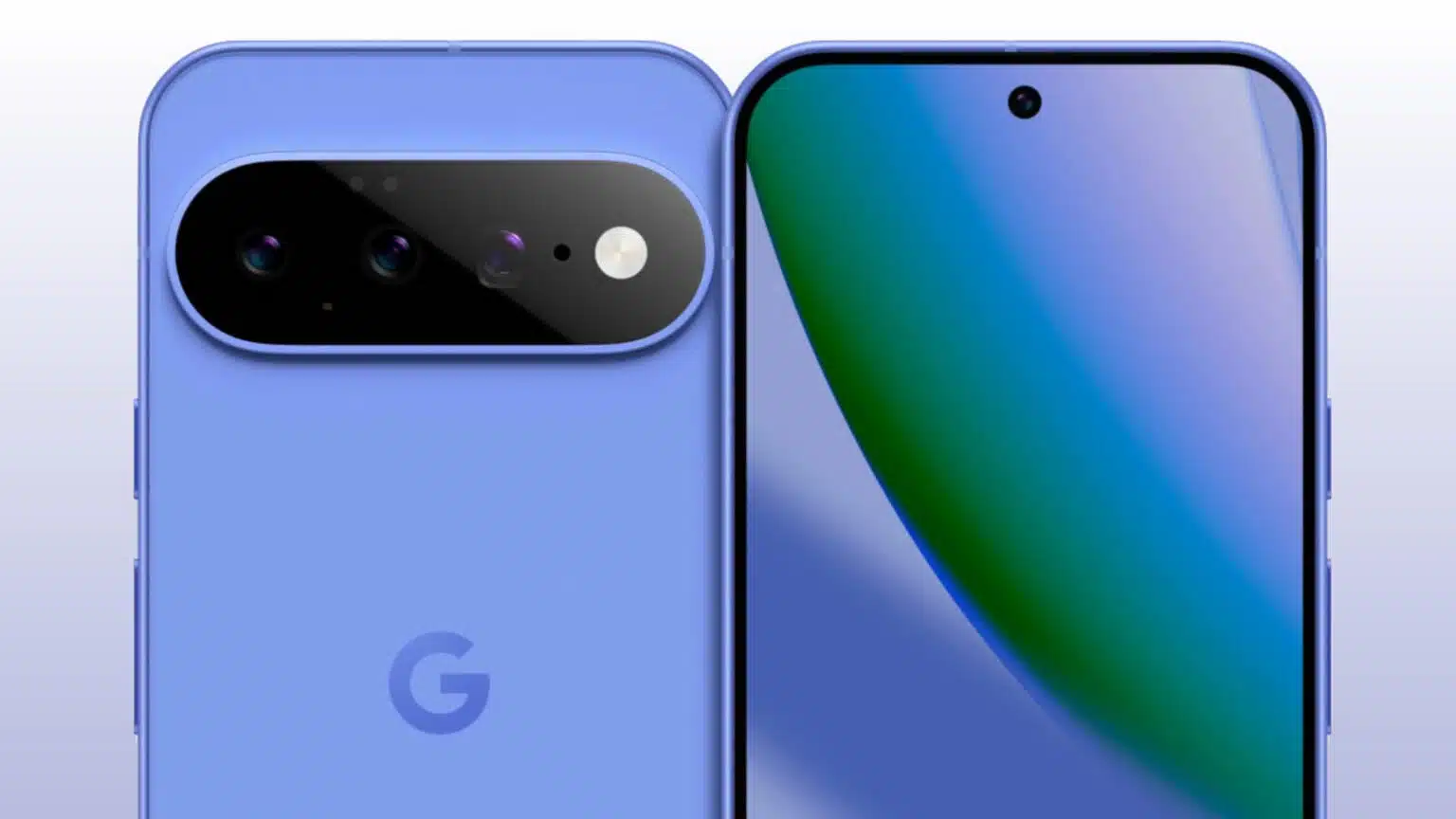
Leaked press renders and insider reports suggest that the Galaxy Z Fold 7 will indeed feature a vertical triple camera setup, but with significantly slimmer, more polished individual rings. This design marks a clear departure from the more pronounced rings of the S25 series and harks back to the cleaner, more integrated look of older Galaxy Z Fold models, such as the Galaxy Z Fold 5. This change aligns with Samsung’s overall push for a classy, minimalist vibe in its foldable segment, aiming to reinforce the premium nature of these devices.
Beyond the aesthetic overhaul, the Galaxy Z Fold 7 is expected to bring substantial camera improvements. The primary rear camera is rumored to be a 200-megapixel sensor, a significant upgrade from the 50-megapixel sensor found in the Galaxy Z Fold 6. This 200MP sensor is likely the same high-performance unit featured in the Galaxy S25 Ultra, promising enhanced image quality, improved low-light performance, and greater detail capture. The other two cameras are anticipated to be a 12-megapixel ultrawide camera and a 10-megapixel telephoto camera with 3x optical zoom and optical image stabilization (OIS). While the ultrawide and telephoto lenses may not see a resolution bump, the overall photography experience is expected to be refined through software optimizations and the superior main sensor.
The Z Fold 7’s camera redesign also integrates with other significant upgrades. The device is expected to be remarkably thin when unfolded, potentially making it one of the thinnest foldable smartphones on the market. This achievement, despite incorporating a powerful 200MP camera, suggests advanced internal component arrangement and design engineering. The phone is also rumored to feature an upgraded under-display front-facing camera and a 10-megapixel cover display selfie camera. Powering these advancements will be the latest Qualcomm Snapdragon 8 Elite chipset, which is also expected to enhance the device’s AI processing capabilities, further improving computational photography features and overall system performance. The Z Fold 7 is also anticipated to feature a larger 8.2-inch inner display and a 6.5-inch cover screen.
The Galaxy S26: Following Suit?
The design shift on the Z Fold 7 naturally leads to speculation about the upcoming Galaxy S26 series, which is typically unveiled in early 2026. Given the negative public reaction to the thick camera rings on the Galaxy S25 series, it is plausible that Samsung will extend this new, sleeker design philosophy to its mainstream flagships. Tipsters like @UniverseIce on X have hinted that Samsung might indeed abandon the “Saturn Ring” style for its 2026 S-series flagships.
While specific details about the Galaxy S26’s camera design remain speculative at this stage, the responsiveness to feedback demonstrated with the Z Fold 7 is a promising sign. The Galaxy S26 Ultra, in particular, has been rumored to feature a slimmer camera module, potentially achieved through a new approach to assembling camera optics. Reports suggest Samsung Electro-Mechanics is working on innovations like replacing thin cover films between lenses with an inkjet-printed anti-reflective layer, allowing for a tighter optical stack and a reduced module size. This could lead to a noticeably sleeker device, enhancing both its appearance and handling.
Camera specifications for the Galaxy S26 series are also a subject of ongoing discussion. Some reports indicate that the Galaxy S26 and S26+ may retain similar camera configurations to their predecessors, with a focus on software and AI enhancements rather than major hardware overhauls until possibly the Galaxy S28 series. However, the Galaxy S26 Ultra is expected to continue pushing camera capabilities, with leaks suggesting a potential 200-megapixel main sensor, a 50-megapixel ultrawide lens, and possibly multiple telephoto sensors. While the exact camera hardware remains unconfirmed, Samsung’s continued investment in its ISOCELL sensor technology and AI-powered image processing will likely be central to the S26’s photographic prowess.
Public and Expert Reception
The public’s reaction to Samsung’s camera designs has often been a mix of appreciation for functionality and critique of aesthetics. Online forums and social media platforms frequently feature discussions about the size and appearance of camera bumps. The “Saturn Ring” design, while distinctive, was often cited by users as a factor that detracted from the overall premium feel of the device, prompting some to seek out cases that minimized the protrusion. This user feedback is a crucial element for manufacturers like Samsung, who strive to balance technological advancements with consumer preferences.
Industry experts and tech reviewers often evaluate camera designs not just on appearance but also on practicality. A large camera bump can lead to device wobble when placed on a flat surface and can make phones less comfortable to hold for some users. The pursuit of thinner devices, as seen with the Z Fold 7, inherently conflicts with the desire for larger, more capable camera sensors, which typically require more physical space. Samsung’s reported decision to streamline the camera design on the Z Fold 7 suggests a strategic move to address these concerns, aiming for a more universally appealing form factor without compromising on imaging capabilities. The emphasis on AI-driven photography, as highlighted by Samsung, also indicates a focus on software optimization to extract maximum performance from existing and new camera hardware. This approach allows for continuous improvement in image quality and user experience, even without drastic changes in sensor specifications every year.
The potential adoption of a sleeker camera design across Samsung’s flagship lines, starting with the Z Fold 7 and potentially extending to the Galaxy S26, represents a significant moment in the company’s design evolution. It underscores Samsung’s commitment to refining the user experience, not just through internal specifications, but also through thoughtful industrial design that resonates with its consumer base.
Frequently Asked Questions (FAQs)
Q1: What is the “Saturn Ring” camera design that Samsung is reportedly moving away from?
A1: The “Saturn Ring” camera design refers to a style where individual camera lenses on the back of Samsung phones, particularly on the Galaxy S25 series, are encircled by prominent, thick rings, making the camera module visually distinct and somewhat protruding.
Q2: Why is Samsung changing the camera design on the Z Fold 7?
A2: Samsung is reportedly changing the camera design on the Galaxy Z Fold 7 in response to user feedback, where many found the “Saturn Ring” design of recent models aesthetically unappealing or bulky. The new design aims for a sleeker, more minimalist, and premium look.
Q3: What camera specifications are expected for the Samsung Galaxy Z Fold 7?
A3: The Samsung Galaxy Z Fold 7 is rumored to feature a 200-megapixel main camera, a 12-megapixel ultrawide camera, and a 10-megapixel telephoto camera with 3x optical zoom. It will also likely include an improved under-display front-facing camera and a 10-megapixel cover display selfie camera.
Q4: Will the Galaxy S26 series also feature a new camera design?
A4: While not officially confirmed, there is strong speculation that the Galaxy S26 series, particularly the S26 Ultra, may also adopt a slimmer and more refined camera module design, moving away from the “Saturn Ring” style seen on the S25 series. This would align with Samsung’s apparent new design direction.
Q5: What other improvements are expected with the Samsung Galaxy Z Fold 7?
A5: Beyond the camera design, the Galaxy Z Fold 7 is expected to be powered by the Snapdragon 8 Elite chipset, feature larger 8.2-inch inner and 6.5-inch cover displays, and boast a remarkably thin unfolded profile, making it potentially one of the slimmest foldables available. It will also include enhanced AI capabilities.