

Get ready for a smarter ride and a more capable wrist. Google’s powerful Gemini artificial intelligence is officially making its way to your car’s dashboard through Android Auto and landing on your Wear OS smartwatch. This isn’t just a minor update; it signals a significant shift in how we’ll interact with our devices on the go, promising a more intuitive and helpful digital companion experience.
For years, Google Assistant has been our go-to for hands-free help in the car and quick queries on our smartwatches. We’ve grown accustomed to saying “Hey Google” to get directions, play music, send texts, or check the weather. But as technology marches forward, so does the ambition for what our connected devices can do. Enter Gemini, Google’s next-generation AI, designed to understand context, engage in more natural conversations, and offer a deeper level of assistance.
Speaking during Alphabet’s recent earnings call, Google CEO Sundar Pichai confirmed the expansion of Gemini to several platforms beyond mobile phones, specifically mentioning cars and watches as slated to receive the AI upgrade later this year. This move aligns with Google’s broader strategy to weave Gemini throughout its ecosystem, creating a unified and intelligent experience across devices.
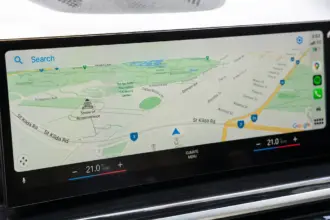
Think about your current experience with voice commands in the car. While helpful for basic tasks, conversations often feel stilted and lack continuity. You ask for directions, then maybe ask it to find a coffee shop near your destination. These are usually separate interactions. With Gemini, the promise is a more fluid, back-and-forth dialogue. Imagine asking Gemini to find a gas station along your route and then, in the same conversation, asking it to filter those stations by the lowest gas prices. This contextual understanding can make a real difference during a busy drive.
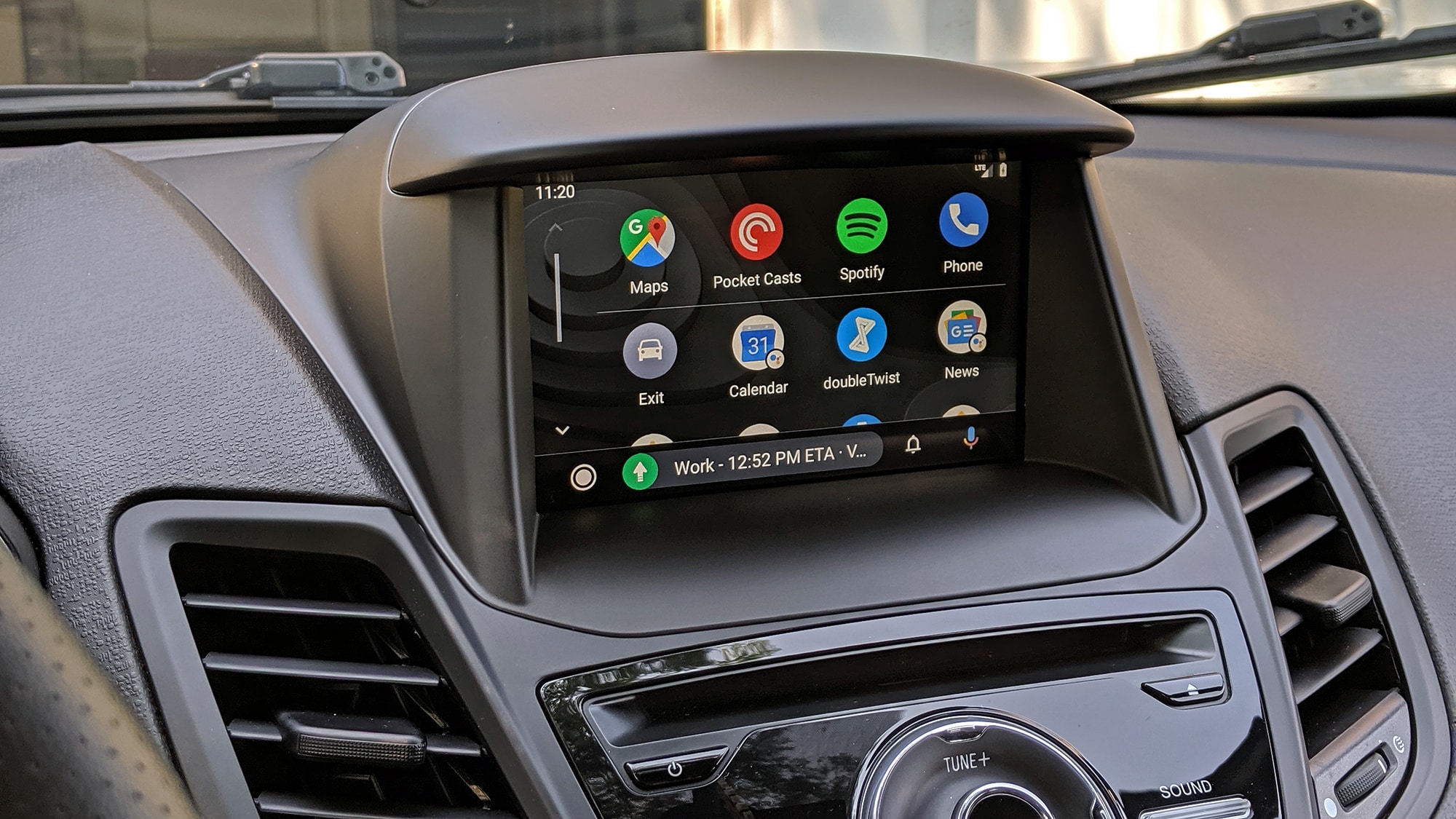
Reports and code analyses of recent Android Auto updates already show hints of Gemini’s arrival. Developers digging into the application’s code found references to “GeminiLiveAssistantAction” and text strings explicitly stating, “Gemini is now the personal AI assistant in your car.” There’s even been a subtle change observed in the color of the microphone icon in Android Auto for some users, shifting from the familiar multi-colored Google Assistant logo to a plain white design, possibly a quiet visual cue preparing users for the upcoming change. While the full suite of in-car Gemini features is still unfolding, expect enhancements in navigation, the ability to summarize incoming messages so you can keep your eyes on the road, and more proactive assistance based on your route, schedule, and preferences. For drivers, especially those who spend a lot of time behind the wheel for work or long commutes, this could mean a less distracting and more productive environment.
Simultaneously, Gemini is also making its way to your wrist. Wear OS smartwatches, already valuable for glanceable information and notifications, are set to become much smarter. Like Android Auto, Wear OS devices currently rely on Google Assistant for voice interactions. The transition to Gemini on smartwatches points towards more context-aware and personalized help right from your wrist.
Early glimpses found in Wear OS app code suggest familiar activation methods, like holding down the side button or using the “Hey Google” hotword. But the underlying capabilities will see a significant leap. Consider the potential: receiving intelligent calendar prompts that factor in your current location and traffic, getting reminders that are more relevant to your immediate activity, or even potentially real-time translation assistance directly on your watch. The more advanced natural language processing and understanding that Gemini offers can transform how we get quick information and manage tasks without pulling out our phones. While the smaller screen and processing power of a smartwatch mean not every Gemini feature will likely translate directly from the mobile experience, the focus will be on streamlined, highly relevant interactions that leverage the strengths of a wearable device.
This widespread rollout of Gemini isn’t happening overnight, and “later this year” leaves some room for interpretation on the exact timeline. However, the official confirmation from the top, coupled with the technical groundwork being laid in app updates, indicates that the arrival is a matter of when, not if. The phasing out of Google Assistant on these platforms and its replacement with Gemini is part of Google’s natural progression in its AI journey. As AI models become more sophisticated, their integration into the devices we use daily becomes a logical next step to provide more helpful and intuitive experiences.
The move also highlights the increasing importance of AI in our connected lives. From managing our schedules to navigating our commutes, AI is becoming an invisible co-pilot, making our interactions with technology feel less like giving commands and more like having a conversation. For drivers, this could lead to a safer experience by reducing the need to look away from the road. For smartwatch users, it means getting more relevant information and assistance at a glance, without fumbling with their phones.
While the initial rollout will likely focus on core functionalities, the potential for future features is vast. As Gemini continues to evolve, we could see even deeper integration with other Google services and third-party apps, offering more personalized and predictive assistance across our car and wrist. The transition marks an exciting chapter in the development of smart devices, promising a future where our technology understands us better and helps us navigate our day with greater ease and intelligence. Keep an eye out for updates later in 2025 – your car and your watch might just get a whole lot smarter.