


Apple is making significant strides toward enabling users to control their devices using brain signals, marking a potential breakthrough in assistive technology. The company is collaborating with Synchron, a neurotechnology firm, to develop a brain-computer interface (BCI) that allows individuals to operate Apple devices without physical movement. This initiative aims to enhance accessibility for users with severe physical disabilities, such as those resulting from amyotrophic lateral sclerosis (ALS) or spinal cord injuries.
Synchron’s Stentrode: A Minimally Invasive BCI
Synchron’s Stentrode is a stent-like device implanted in a vein atop the brain’s motor cortex. It captures neural signals and translates them into digital commands. Unlike other BCIs that require open-brain surgery, the Stentrode is inserted via a minimally invasive procedure through the jugular vein, reducing surgical risks and recovery time. Since 2019, Synchron has implanted the device in 10 individuals, demonstrating its potential to restore digital communication capabilities to those with paralysis.
Apple’s Integration with iOS and Vision Pro
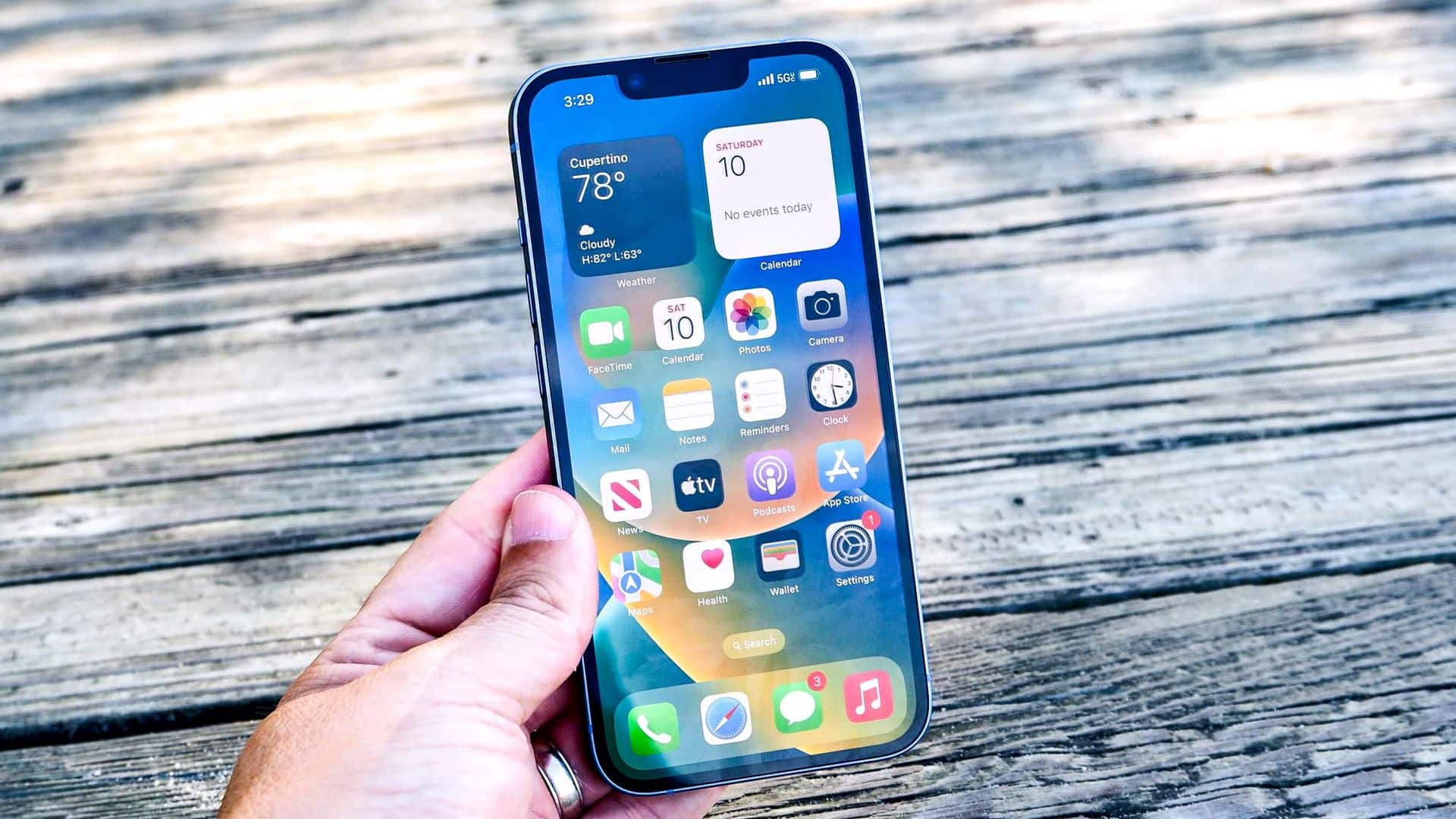
Apple plans to integrate BCI support into its operating systems, including iOS 19 and visionOS 3, through a new protocol that enhances the existing Switch Control feature. This integration will allow users to navigate and control their iPhones, iPads, and Vision Pro headsets using thought-based commands captured by devices like the Stentrode. The protocol is designed to be accessible to third-party developers, fostering a broader ecosystem of BCI-compatible applications.
Real-World Application: Mark Jackson’s Experience
Mark Jackson, an ALS patient from Pittsburgh, is among the early testers of the Stentrode implant. Despite his physical limitations, Jackson has been able to interact with his iPhone, iPad, and Vision Pro headset through the BCI. In one instance, while using the Vision Pro, he experienced a virtual simulation of standing on a mountain ledge in the Swiss Alps, evoking a physical response of leg shaking, despite being unable to stand or travel. This example illustrates the profound impact BCIs can have on enhancing the quality of life for individuals with severe disabilities.
Comparison with Neuralink’s N1 Implant
Elon Musk’s Neuralink is also developing a BCI, known as the N1 implant, which is surgically placed inside the brain and features over 1,000 electrodes to capture detailed neural data. While Neuralink’s approach may offer higher data resolution, it involves more invasive procedures compared to Synchron’s method. Apple’s current collaboration focuses on the less invasive Stentrode, aligning with its emphasis on user safety and accessibility.
Future Outlook and Ethical Considerations
Apple’s venture into BCI technology represents a significant step toward inclusive device interaction. By enabling control through neural signals, the company aims to empower users with physical disabilities, offering them greater independence and connectivity. However, as BCI technology advances, ethical considerations regarding user autonomy, data privacy, and the extent of AI integration will become increasingly important. Apple’s approach will need to address these concerns to ensure responsible development and deployment of BCIs.