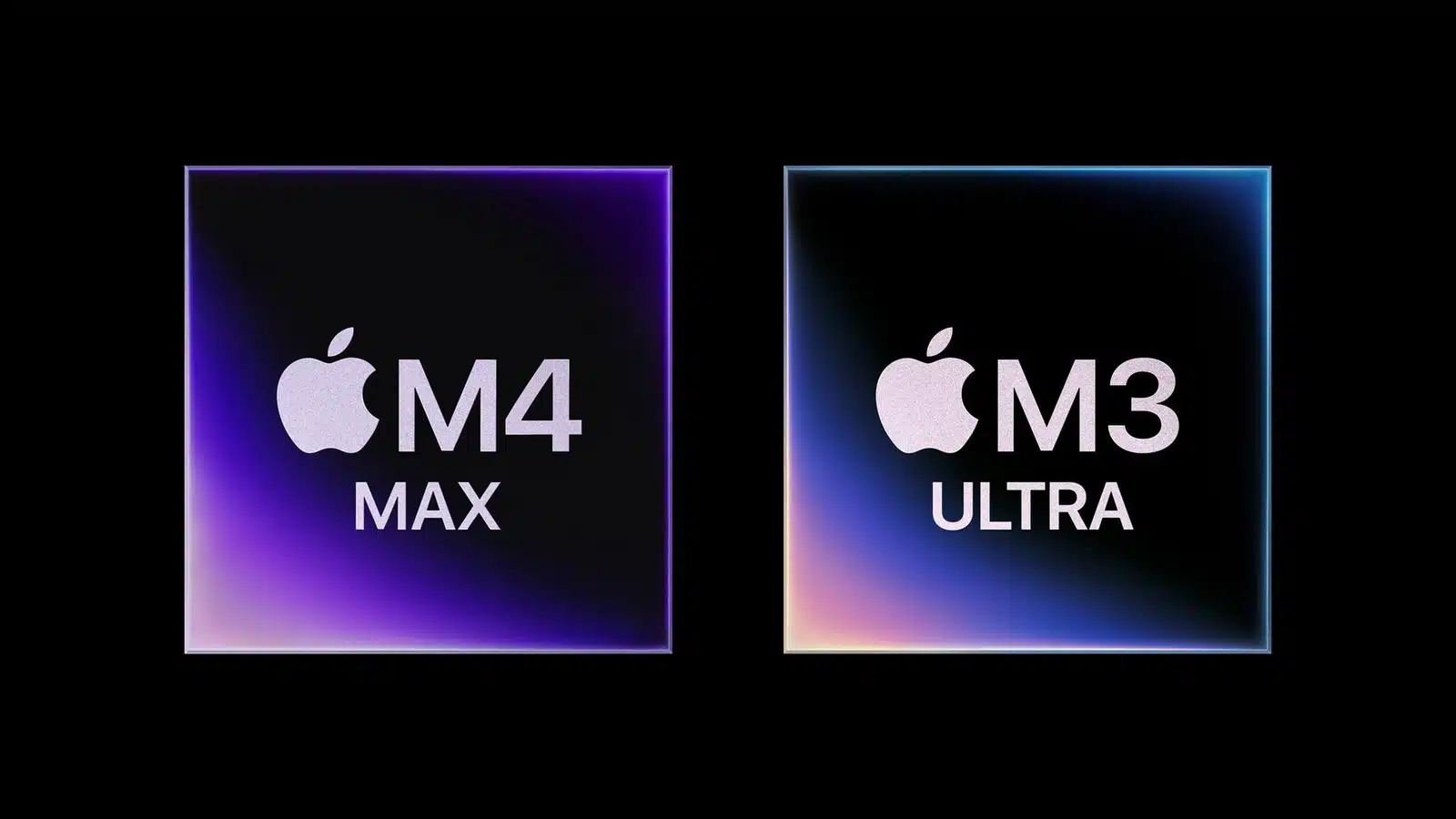


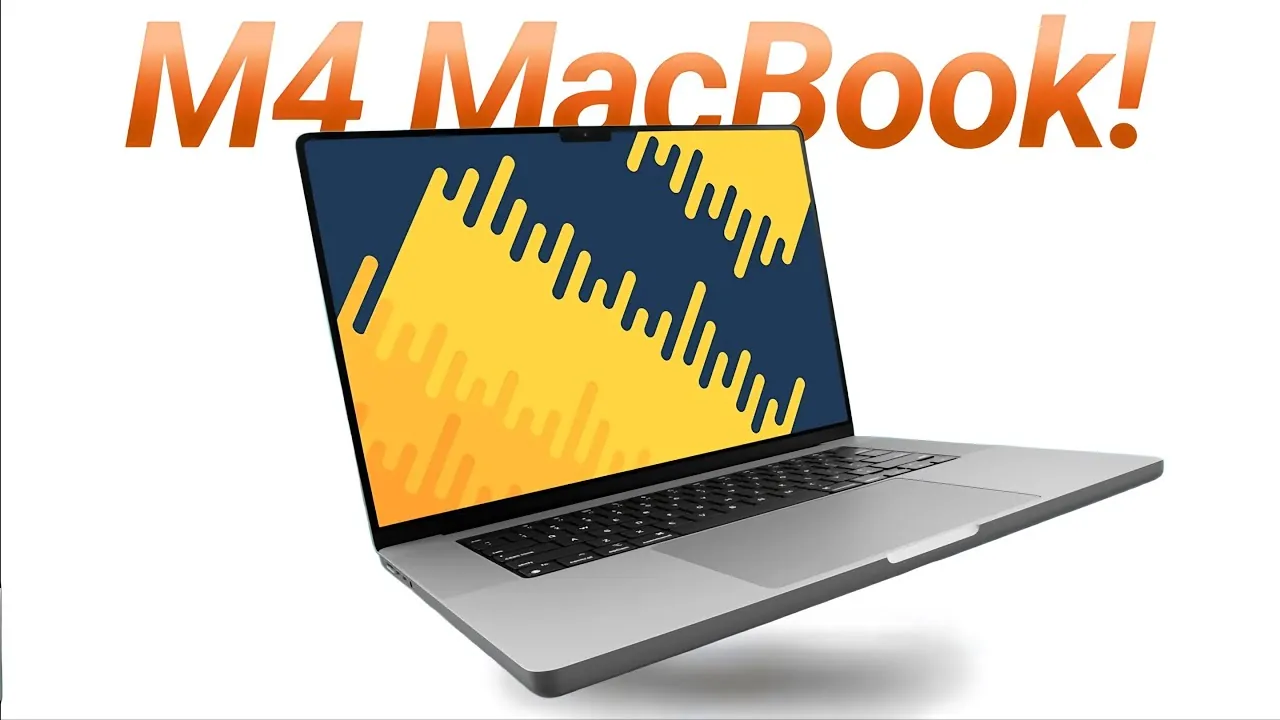
Apple’s release of M4-powered MacBook Air and MacBook Pro models creates a clear division in its laptop lineup. Users now face a choice between portability and raw processing power. The M4 chip, built on a second-generation 3-nanometer process, drives both machines. However, key differences in configuration and thermal design separate the two.
The MacBook Air M4 focuses on thinness and light weight. It targets users who prioritize mobility. The base model features an 8-core CPU and a 10-core GPU. Apple offers configurations with up to 10-core CPU. The Air uses a fanless design. This makes it silent but limits sustained performance under heavy workloads.
The MacBook Pro M4, on the other hand, aims at professional users. It includes a more advanced thermal system. This allows the M4 Pro chip to run at higher speeds for longer periods. The Pro includes a 10-core CPU and a 16-core GPU. It also supports higher memory configurations. The Pro targets users who need to edit video, develop software, or run demanding simulations.
Performance benchmarks show a clear advantage for the M4 Pro. The increased GPU cores and better cooling result in faster rendering times and smoother performance in graphics-intensive tasks. The Air performs well for everyday tasks like web browsing, document editing, and light photo editing. However, it struggles with complex tasks.
The Air’s fanless design means the chip throttles under sustained load. The Pro maintains consistent performance. This difference matters for professionals who rely on consistent processing power.
The Air comes with a Liquid Retina display. It provides accurate colors and sharp images. The Pro features a Liquid Retina XDR display. It offers higher brightness and contrast. This makes it suitable for HDR content creation and consumption.
The Air offers a longer battery life. Its lower power consumption and fanless design contribute to this. The Pro provides ample battery life. But, its more powerful components consume more energy.
Price separates the two models. The Air starts at a lower price point. The Pro commands a higher price. This reflects the difference in performance and features.
The Air includes two Thunderbolt/USB 4 ports. The Pro includes three Thunderbolt/USB 4 ports. The Pro also includes an HDMI port and an SDXC card slot. These ports serve professionals who need to connect external displays and storage devices. The Air offers a MagSafe charging port. The pro also has magsafe charging.
The Air’s design remains unchanged from the previous M2 model. It features a thin and light aluminum chassis. The Pro uses a slightly thicker design. This accommodates the advanced thermal system.
Apple’s decision to release both M4 Air and Pro models targets different user groups. The Air appeals to students and casual users. The Pro caters to professionals who require maximum performance.
The M4 chip’s architecture includes an improved Neural Engine. This enhances machine learning tasks. Both Air and Pro models benefit from this. Tasks like image processing and voice recognition run faster.
Apple claims the M4 chip offers significant performance gains over the M2. Specific improvements include faster CPU and GPU performance, as well as increased memory bandwidth.
The M4 chip uses a unified memory architecture. This allows the CPU and GPU to access the same pool of memory. This improves performance and reduces latency.
The operating system, macOS, optimizes performance for the M4 chip. This includes features like Metal 3 for graphics and Core ML for machine learning.
Software developers optimize applications for the M4 chip. This results in faster performance and improved battery life.
Apple’s focus on chip development allows it to control the entire hardware and software stack. This results in a cohesive user experience.
The release of the M4 Air and Pro models solidifies Apple’s position in the laptop market. The company continues to push the boundaries of performance and portability.
The M4 chip’s power efficiency allows for longer battery life. This benefits users who need to work on the go.
The M4 chip’s security features protect user data. This includes hardware-based encryption and secure boot.
Apple’s ecosystem allows for seamless integration between devices. Users can easily transfer files and data between their Mac, iPhone, and iPad.
The M4 Air and Pro models represent Apple’s commitment to innovation. The company continues to invest in chip development and software optimization.