

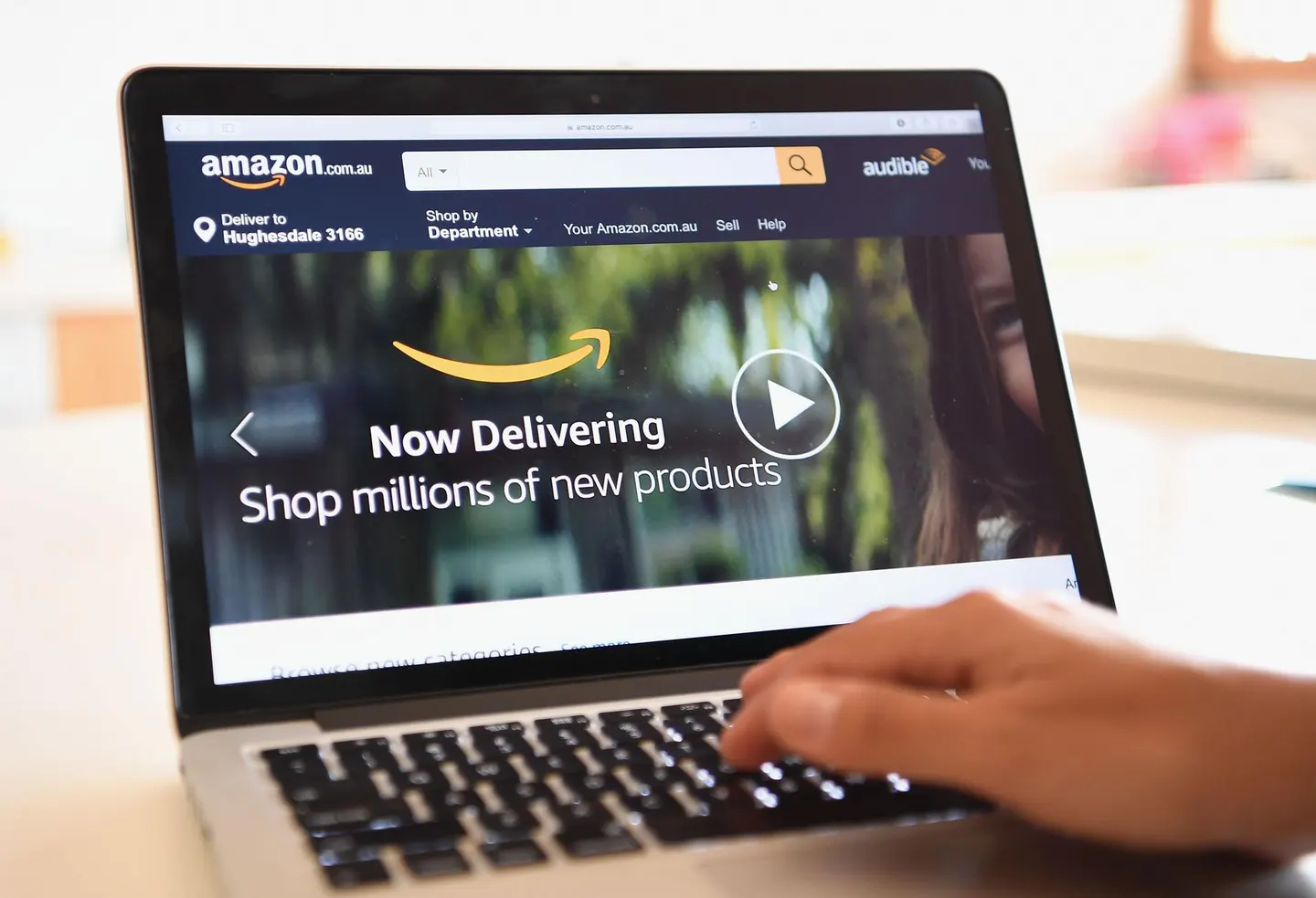
Amazon generated over $68 billion in advertising revenue in 2025, and the retail giant is moving quickly to protect that cash flow. The company has officially blocked Meta Platforms Incorporated, the multinational technology conglomerate based in Menlo Park, California, from using its new Muse artificial intelligence assistant to browse and buy items on Amazon. Meta Platforms Incorporated launched Muse on September 8, and the autonomous personal assistant quickly climbed to the top of the Apple App Store charts. However, the tool hit a wall when users tried to complete purchases on the e-commerce marketplace. Visitors attempting to use the assistant now see a notification stating that unauthorized automated software violates the site terms.
Key Takeaways
- Amazon blocked Meta Platforms Incorporated from letting Muse shop on its marketplace.
- The retail giant generated over $68 billion in ad revenue in 2025, which faces a threat from automated shopping agents.
- Amazon cited security risks, hidden agent identity, and lack of advance notice for the restriction.
- Meta Platforms Incorporated maintains that the software does not view raw user passwords or payment data.
The dispute centers on how third-party bots interact with online stores. Amazon stated that Meta Platforms Incorporated did not give advance notice about the integration, that the bot does not properly identify itself as automated software while browsing, and that the system risks capturing user credentials. Because autonomous shopping agents handle search, comparison, and checkout tasks directly, users bypass traditional web pages entirely. This shift threatens the display advertising and sponsored product models that brought in massive revenue for Amazon last year.
Meta Platforms Incorporated countered that the software handles log-in details safely by placing user-submitted data into protected storage, allowing the model to use credentials without direct exposure. Despite prior commercial ties between the two firms, including cloud computing agreements and native shopping integrations on Facebook and Instagram, this friction exposes a deeper conflict over who controls the digital storefront. As automated software changes online retail, platforms are drawing strict boundaries to retain direct relationships with consumers.
Frequently Asked Questions
Q1. Why did Amazon block Meta Muse?
A1. Amazon blocked the assistant because it operates without disclosing its automated identity, accesses the site without prior notice, and poses potential security risks by handling customer account credentials.
Q2. What is Meta Muse?
A2. Meta Muse is an autonomous personal assistant built by Meta Platforms Incorporated that executes multi-step tasks across apps, including web browsing and shopping on behalf of users.
Q3. How does agentic shopping affect Amazon?
A3. Agentic shopping lets bots handle product discovery and checkout automatically, meaning users bypass traditional web pages and sponsored ads that generate billions in annual revenue for the retailer.
Q4. Can users still use Meta Muse to buy items elsewhere?
A4. Yes, the restriction applies specifically to Amazon, while the assistant continues to function across other supported websites and messaging applications.