

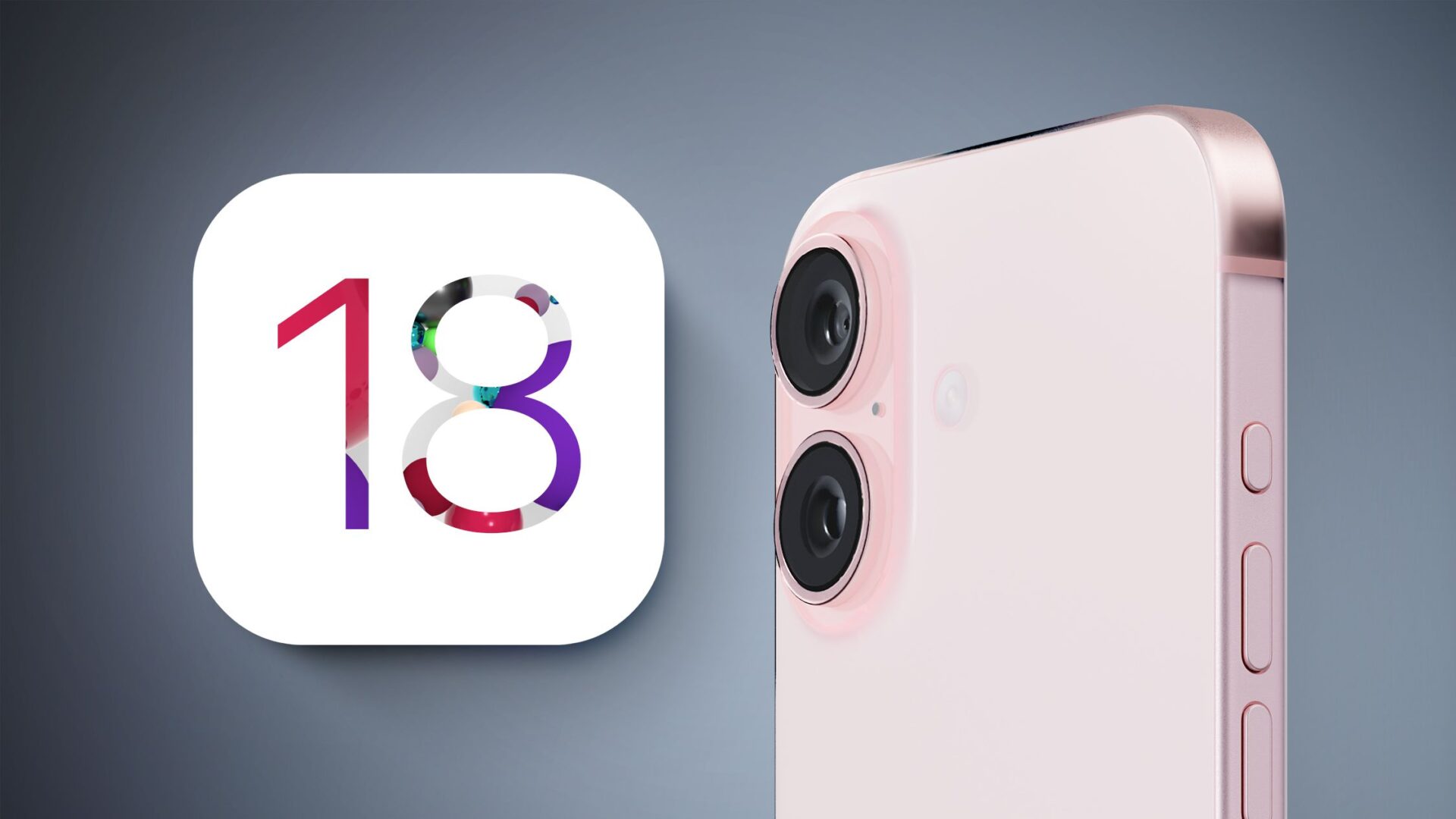
Apple looks set to rethink one of its longest running traditions. According to recent reports, Apple will not release the standard iPhone 18 in its usual fall window. Instead, the base model is now expected to arrive in early 2027, breaking a rhythm the company has followed almost without exception for more than a decade.
If this plays out, the iPhone 17 will remain Apple’s primary non-Pro option for well over a year, possibly close to 18 months. That is a noticeable shift from the familiar September cadence, and it suggests Apple is becoming more flexible with how and when it introduces its mainstream devices.
Key Takeaways
- The standard iPhone 18 is expected to launch in spring 2027 rather than late 2026.
- Apple will likely continue its fall tradition for the iPhone 18 Pro and iPhone 18 Pro Max in September 2026.
- The company’s first foldable iPhone is also projected for a fall 2026 debut.
- This change appears aimed at reducing product overlap as the lineup expands with models like the iPhone Air.
- A staggered launch schedule could help smooth production demands and balance revenue throughout the year.
Apple’s move toward a split release strategy seems tied to scale. For years, all new iPhones shared the same stage at a single fall event. That approach worked when the lineup was simpler. Now, it is starting to feel crowded. By the end of next year, Apple could realistically be selling as many as eight different iPhone models at once. Spreading releases across the calendar gives each device more room to breathe and reduces the risk of new models competing directly with each other.
New timeline for the iPhone 18 series
The premium end of the lineup is not expected to change much. In September 2026, Apple is still likely to focus on its highest margin devices. The iPhone 18 Pro and iPhone 18 Pro Max should arrive on schedule, powered by the new A20 Pro chip and possibly introducing under-display Face ID for the first time. These Pro models remain central to Apple’s fall strategy because they drive the strongest profits and attract the most attention.
The standard iPhone 18, however, appears set for a later entrance. Analysts now point to a spring 2027 launch, potentially alongside the iPhone 18e and a second-generation iPhone Air. Releasing these models in the first half of the year would put Apple in more direct competition with rival flagships that typically arrive outside the fall season, which could be intentional.
Managing an expanding portfolio
One of the biggest factors behind this shift is variety. Apple has recently added the ultra-thin iPhone Air and the more affordable iPhone 16e to its catalog. On top of that, the long-rumored foldable iPhone is nearing launch and will demand serious marketing and production resources. Trying to roll out a foldable device alongside four other new iPhones at the same time might be too much, even for Apple.
Delaying the standard iPhone 18 also gives the iPhone 17 more time in the spotlight. That model reportedly saw strong demand following its 2025 release. Keeping it as the leading standard option for longer allows Apple to extract more value from its existing hardware investments, which, from a business standpoint, makes sense.
Benefits for production and revenue
There are practical advantages here as well. A staggered launch schedule helps ease pressure on manufacturing partners and reduces the risk of production bottlenecks. It also allows Apple to spread sales more evenly across the year. Instead of relying heavily on a massive fall surge followed by quieter quarters, the company can show steadier performance over all four quarters. This is not a new idea for Apple either. Its iPad and Mac lines already follow more flexible update cycles, so extending that philosophy to the iPhone seems like a natural progression.
Frequently Asked Questions
Q1: Will there be any new iPhones in 2026?
A1: Yes. Apple is still expected to launch the iPhone 18 Pro, iPhone 18 Pro Max, and its first foldable iPhone in fall 2026.
Q2: Why is the standard iPhone 18 being delayed?
A2: The delay appears to be part of a broader plan to stagger releases. This helps Apple manage a growing lineup, reduce internal competition, and ease supply chain strain.
Q3: When can I buy the regular iPhone 18?
A3: Current reports suggest an early 2027 release, most likely during the spring.
Q4: Will the iPhone 17 become outdated?
A4: Not really. The iPhone 17 will remain the newest standard model for around 18 months, and Apple typically supports its devices with software updates for many years.