

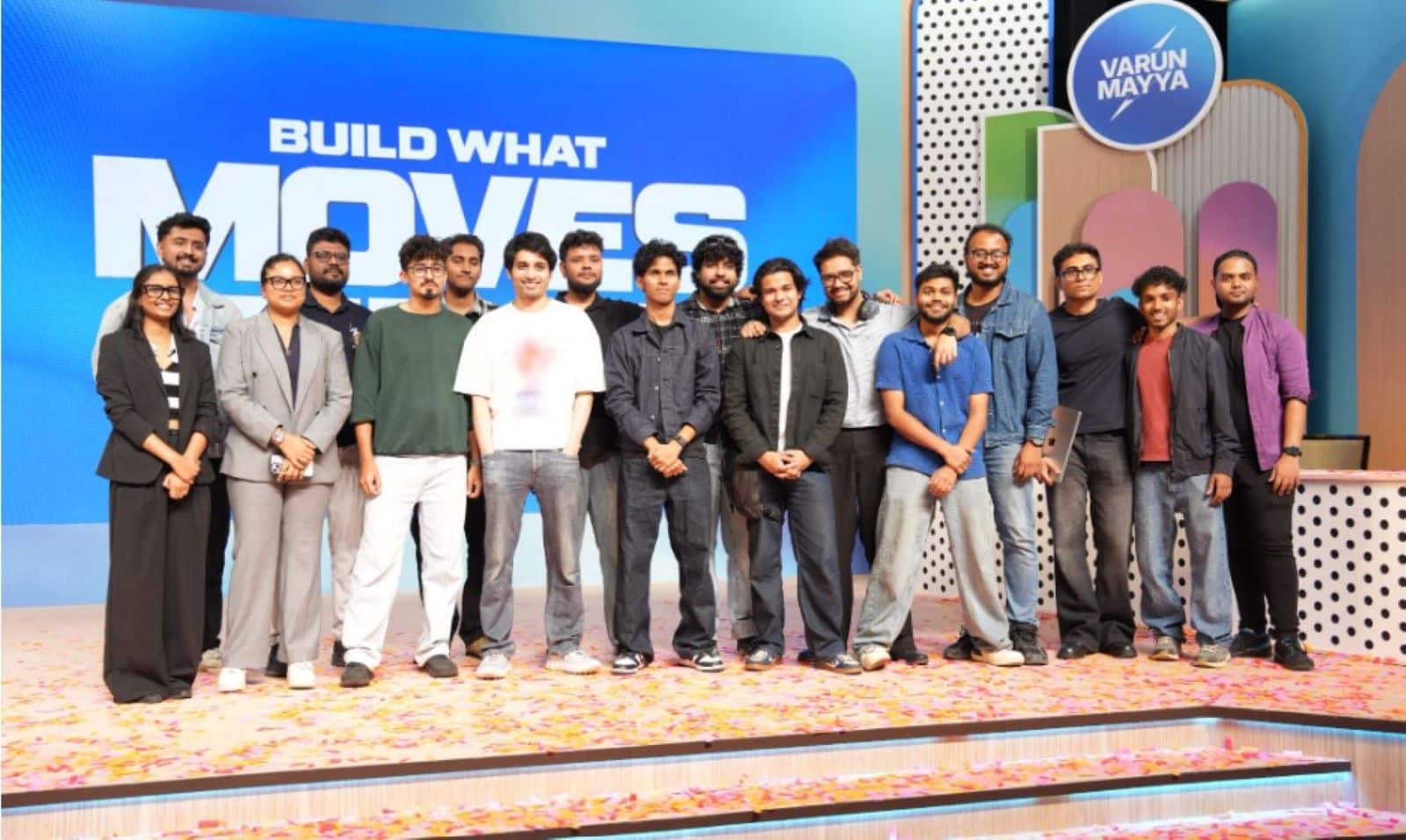
Artificial intelligence company OpenAI wrapped up its “Build What Moves India” challenge in Bengaluru, choosing blood search platform RaktKhoj as the winning prototype. Organised alongside digital content creator and entrepreneur Varun Mayya, the programme asked local software builders to tackle common public hurdles using modern coding systems. The initiative pulled over 13,000 registrations from across India, leading to 250 initial shortlists and 10 final teams demonstrating working software to industry panels.
Key Takeaways
- Over 13,000 people registered for the initiative, producing 250 shortlisted concepts and 10 live finalist prototypes.
- RaktKhoj won the competition by creating a single portal to track blood bank stocks and contact donors during medical emergencies.
- Finalists also presented tools for cyber fraud reporting, called Samarthan, and overseas visa paperwork tracking, named Atithi.
- Participants built functional prototypes using OpenAI developer systems such as Codex to resolve day-to-day civic frictions.
Practical Fixes for Common Indian Problems
The programme focused on building functional tools rather than theoretical models. Many citizens deal with fragmented public portals and slow emergency coordination every day. By putting AI coding assistants directly into the hands of developers who experience these bottlenecks, the organizers sought clear solutions to routine Indian administrative and healthcare problems.
RaktKhoj took the top spot by simplifying urgent medical searches. During hospital emergencies, families often struggle to contact scattered blood banks or find voluntary donors. The prototype pulls multiple local inventory sources and donor registries into one simple interface, saving critical minutes for patients in distress.
Other working prototypes focused on citizen safety and document preparation. A tool named Samarthan lets users speak or type details about online financial scams in plain words to generate formal cyber fraud police complaints. Another finalist project, Atithi, helps international travellers check visa rules, organize verified paperwork, and track passport submissions through a single portal.
Expanding Developer Access Across India
The Bengaluru final highlighted how accessible programming models help individuals build software without needing large engineering departments. Participants received technical guidance to turn their direct observations into functional programs. OpenAI representatives noted that developer tools such as Codex allow builders to write code quickly and adapt software for diverse Indian languages and local user needs.
By letting regular users translate their lived experiences into software, the event showed how community knowledge can shape public services. Organizers stated that future technological growth in the country depends heavily on whether tools solve immediate physical and digital problems for everyday citizens.
Frequently Asked Questions
Q1. What is the Build What Moves India initiative?
A1. It is a collaborative programme run by OpenAI and entrepreneur Varun Mayya where Indian developers create working software prototypes to solve everyday civic and digital challenges.
Q2. Which project won the competition in Bengaluru?
A2. RaktKhoj won the event. The project builds a unified search platform to help families find blood supplies at nearby banks and reach voluntary donors quickly during health emergencies.
Q3. How many people participated in the challenge?
A3. More than 13,000 people registered for the competition, resulting in 250 shortlisted concepts and 10 finalist teams presenting live prototypes in Bengaluru.
Q4. What other finalist projects stood out at the event?
A4. Finalists included Samarthan, a voice and text tool to help people file cyber fraud reports, and Atithi, a platform that helps users manage travel visa requirements and document checks.