

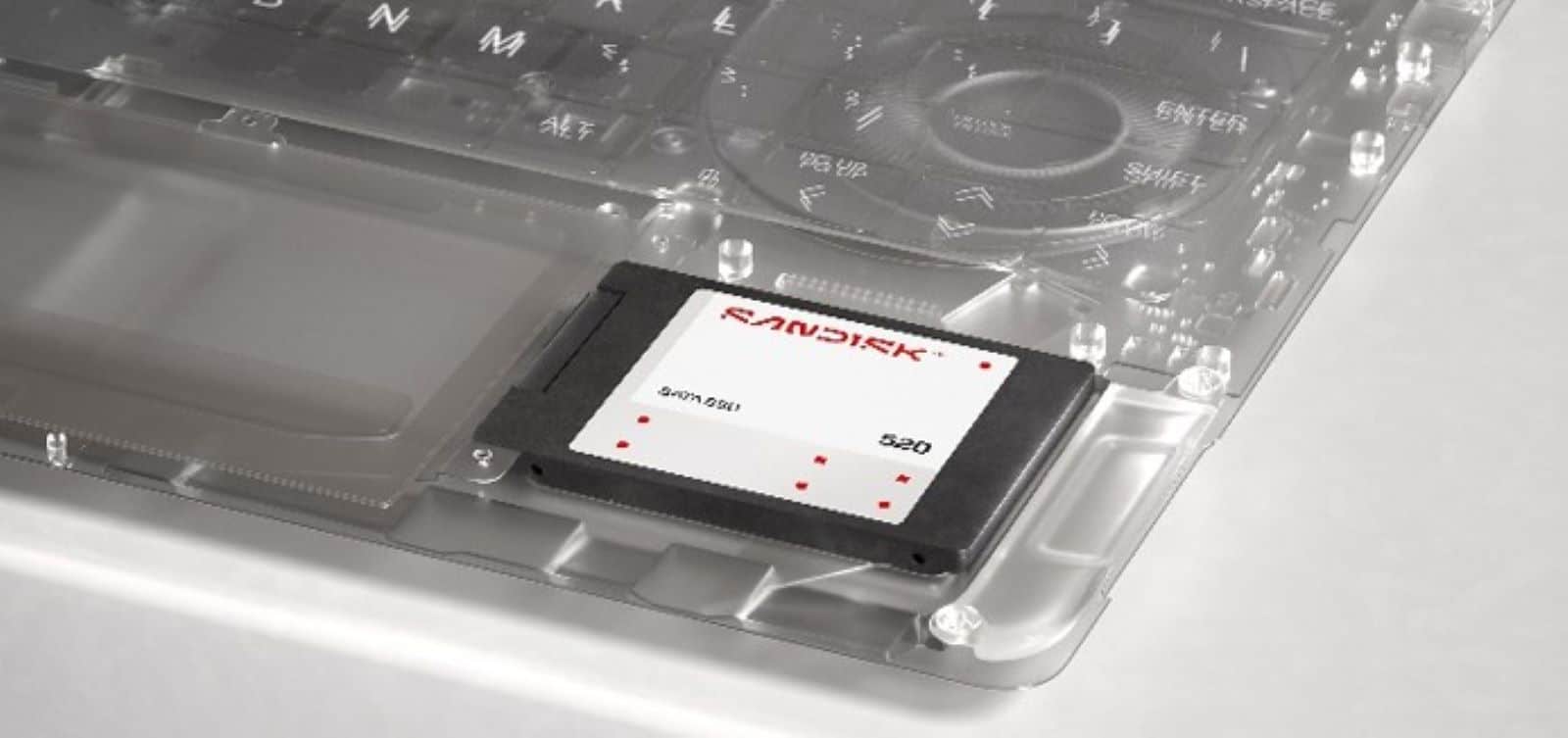
Sandisk expanded its storage lineup in India on Oct. 14, 2026, by launching the Sandisk 320 SATA SSD and Sandisk 520 SATA SSD. Both products use the standard 2.5-inch form factor, allowing users to replace aging mechanical hard drives in compatible desktop and laptop systems with solid-state storage. The entry-level Sandisk 320 carries a starting price tag of Rs 5,700 in retail stores, while the prosumer-focused Sandisk 520 starts at Rs 8,600 across partner retail outlets and e-commerce platforms.
Key Takeaways
- Sandisk introduces two 2.5-inch SATA internal SSD series in India: the 320 and 520.
- The Sandisk 520 offers capacities up to 4TB, read speeds up to 560MB/s, write speeds up to 525MB/s, and a 5-year warranty.
- The Sandisk 320 targets general PC upgrades with up to 2TB capacity, 545MB/s speeds, and a 3-year warranty.
- Prices start at Rs 5,700 for the 320 line and Rs 8,600 for the 520 line.
- Both models provide bundled Acronis True Image cloning software and the Sandisk Dashboard utility.
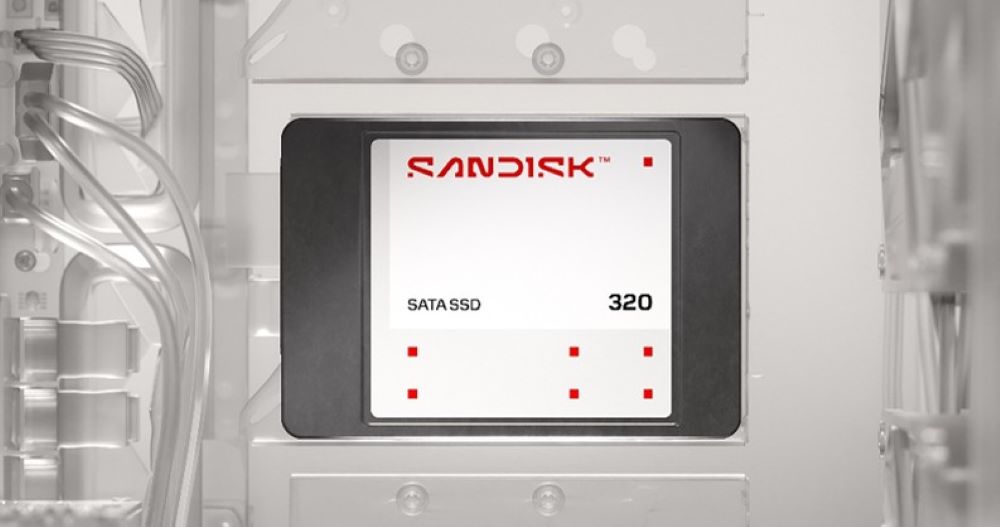
Sandisk 520 SATA SSD Specifications
The Sandisk 520 SATA SSD targets content creators, IT professionals, and power users who handle heavy file transfers and media workloads. Built with Sandisk 3D NAND flash memory, the 520 series tops out at 4TB of capacity.
On the 4TB configuration, the drive reaches sequential read speeds up to 560MB/s and sequential write speeds up to 525MB/s. Endurance stands at up to 1,000 terabytes written (TBW) on the 4TB model, alongside a mean time to failure (MTTF) rating of 2.25 million hours. Sandisk covers the 520 lineup with a 5-year limited warranty.
Sandisk 320 SATA SSD Details
The Sandisk 320 SATA SSD focuses on everyday consumer computing tasks such as web browsing, document handling, and casual multimedia playback. Sandisk designed the drive without mechanical moving parts to serve as a direct swap for traditional hard disk drives (HDDs).
Capacities for the Sandisk 320 range from 250GB to 2TB. The drive delivers transfer speeds of up to 545MB/s across daily PC activities. The 320 family comes with a 3-year limited warranty and sells primarily through brick-and-mortar retail shops in India.
Software Support and Compatibility
Both drives feature compatibility with Acronis True Image for Sandisk, allowing users to clone existing operating systems and data directly to the new drive. Owners also gain access to the downloadable Sandisk Dashboard tool to track available capacity, drive health, and operating status.
Frequently Asked Questions
Q1. What is the starting price of the Sandisk 320 and 520 SSDs in India?
A1. The Sandisk 320 SATA SSD starts at Rs 5,700, while the Sandisk 520 SATA SSD starts at Rs 8,600.
Q2. What form factor do these new Sandisk SSDs use?
A2. Both models use the standard 2.5-inch SATA form factor, fitting most standard PC cases and compatible laptop drive bays.
Q3. What are the maximum speeds offered by the Sandisk 520 SSD?
A3. The 4TB version of the Sandisk 520 delivers sequential read speeds up to 560MB/s and sequential write speeds up to 525MB/s.
Q4. What warranty coverage does Sandisk provide for these drives?
A4. The Sandisk 520 includes a 5-year limited warranty, while the Sandisk 320 includes a 3-year limited warranty.
Q5. How do users transfer data from an old hard drive to the new Sandisk SSD?
A5. Both models support Acronis True Image for Sandisk, which lets users clone and migrate operating systems and files without reinstalling software from scratch.