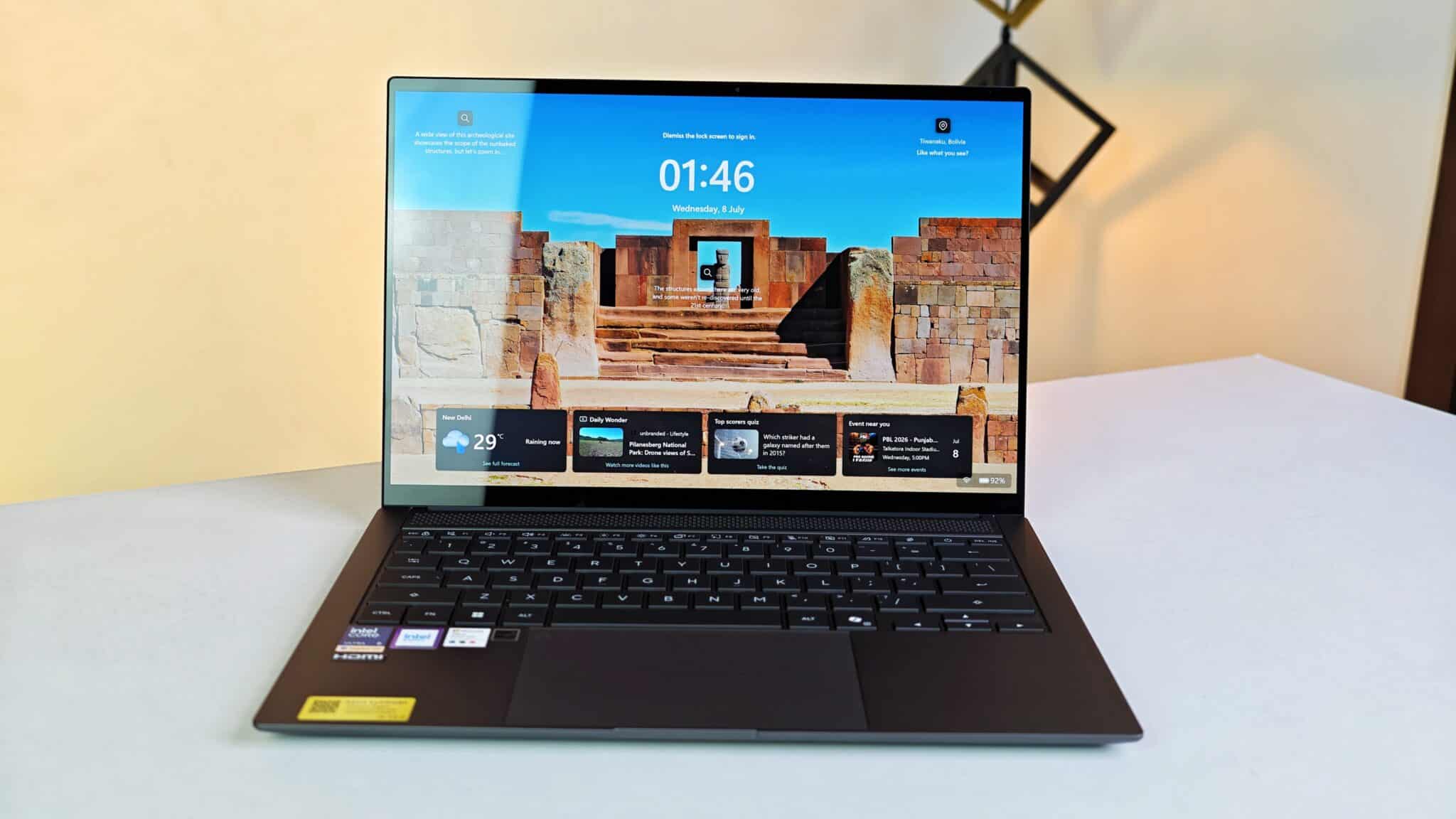


The Framework Laptop 16 arrives as a highly anticipated portable computer, specifically targeting users in India and globally who desire a powerful desktop replacement but insist on repairability and complete control over their hardware. This machine, developed by Framework, a San Francisco-based company known for its commitment to fighting e-waste and promoting consumer ownership, centers around modularity. Users can easily swap out components, including the mainboard, RAM, storage, and even the graphics module, making it a true do-it-yourself (DIY) device. The ability to upgrade the GPU years later without needing a whole new laptop sets the Framework 16 apart from almost every other machine in the market, addressing a major pain point for high-performance laptop users.
Key Takeaways
- The Framework Laptop 16 focuses on repairability and modularity, offering a DIY desktop replacement experience.
- It features a removable graphics module via the Expansion Bay system, allowing future GPU upgrades.
- The keyboard and input area use Input Modules for customization, including num pads or macro pads.
- The laptop uses AMD Ryzen 7040 Series processors and high-performance dedicated graphics cards.
- Framework provides open documentation and tools, encouraging user modifications and repair.
The heart of the Framework 16’s modularity lies in its unique Expansion Bay system. This system allows the dedicated graphics card module to be removed and replaced. For example, a user can start with an AMD Radeon RX 7700S graphics module and upgrade to a newer, more powerful card released years later, provided Framework or a third-party develops a compatible module. This design philosophy directly addresses the common issue of high-performance laptops becoming obsolete due to soldered components. The company publishes documentation and provides repair guides, further supporting user maintenance.
Inside, the Laptop 16 uses high-end specifications. It features AMD Ryzen 7040 Series mobile processors, known for their strong performance and efficiency. Users can configure the laptop with up to 64GB of DDR5 RAM and multiple terabytes of NVMe SSD storage. The display is a bright 16-inch screen with a 2560×1600 resolution and a 165Hz refresh rate, making it suitable for both professional work and demanding gaming.
Beyond the main components, Framework also extended modularity to the input area. The keyboard and trackpad section utilizes Input Modules. This allows users to place different modules, like a standard keyboard, a keyboard with a num pad, or even specialty macro pads, in the central or side positions. The side ports are also modular, using the company’s established Expansion Card system, which lets users choose their desired port configuration (USB-C, USB-A, HDMI, DisplayPort, Ethernet, etc.). This level of granular customization is typically reserved for desktop computers.
The concept of a modular laptop is not entirely new, but Framework executes it with a focus on longevity and user access. The company’s business model is built around selling upgrade kits and replacement parts, contrasting with the industry standard of discouraging user repair. This focus resonates strongly with consumers who prioritize sustainability and want to maximize the lifespan of their technology. As high-performance components like GPUs continue to evolve quickly, the Framework Laptop 16 provides an appealing solution for users seeking a powerful machine that adapts to future technological progress.
Related FAQs
Q: What is the Expansion Bay on the Framework Laptop 16?
A: The Expansion Bay is a large, rear module slot on the Laptop 16 that allows users to install a dedicated, swappable graphics card module or other future components, offering upgradeability for the GPU.
Q: What processors are available in the Framework Laptop 16?
A: The Framework Laptop 16 uses powerful AMD Ryzen 7040 Series mobile processors.
Q: Can I customize the port configuration on the Framework Laptop 16?
A: Yes, the side ports use Framework’s Expansion Card system, allowing users to choose the type and placement of ports like USB-C, HDMI, or Ethernet.
Q: Is the Framework Laptop 16 easy to repair?
A: Yes, Framework designs its products specifically for ease of repair, providing detailed guides, easy-to-access components, and replacement parts directly to consumers.
Q: Does the Framework Laptop 16 come with a num pad?
A: The laptop 16 uses modular Input Modules for the keyboard area, so users can choose a configuration that includes a num pad module if they need one.