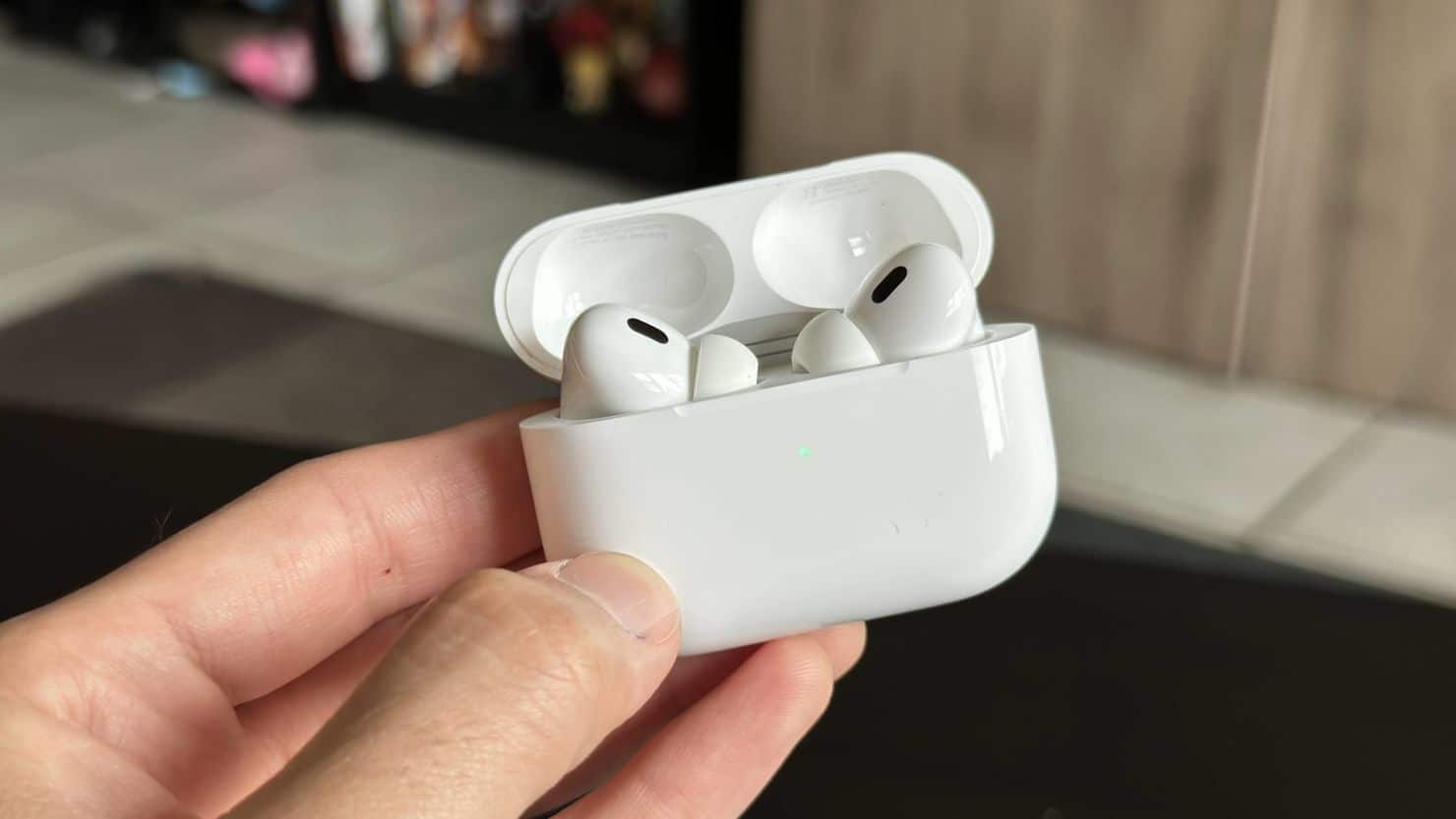
Apple’s AirPods Pro 2 have always been a notable presence in the personal audio market, offering strong noise cancellation and a refined listening experience. However, a recent software update introduced a trio of features – Adaptive Audio, Personalized Volume, and Conversation Awareness – that elevate these earbuds into a category of their own. These additions are not just minor upgrades; they represent a significant shift in how personal audio devices interact with the world around the listener.
Released as part of the iOS 17 update in September 2023, these capabilities leverage the power of the H2 chip within the AirPods Pro 2, working to create a listening experience that is both immersive and intelligently responsive. The goal is to provide a seamless transition between sound isolation and environmental awareness, tailored to the user’s specific needs and surroundings.
Adaptive Audio: Blending the Best of Both Worlds
Adaptive Audio is perhaps the most significant of the new features. It works by dynamically blending Active Noise Cancellation (ANC) and Transparency mode. For years, users have had to manually switch between these modes, choosing either to block out the world or to let it in. Adaptive Audio removes this manual step.
The H2 chip processes sound at a remarkable rate, analyzing environmental noise 48,000 times per second. This processing allows the AirPods Pro 2 to instantly adjust the level of noise control. For example, if a user is walking in a quiet park and then suddenly encounters a loud bus, Adaptive Audio can automatically increase noise cancellation to block out the disruptive sound. When the bus passes, the earbuds can then subtly reintroduce some ambient sounds, maintaining a balance that keeps the user engaged with their audio while still aware of their surroundings. This intelligent, fluid adjustment aims to strike a balance, providing the right mix of external sound for any given environment.
This feature is designed to be on by default across all noise modes, including Transparency, Adaptive, and Noise Cancellation. It consistently works to protect hearing in loud environments, from concerts to busy city streets.
Personalized Volume: Learning Your Listening Habits
Beyond merely adapting to the environment, AirPods Pro 2 also learn from the user’s behavior through Personalized Volume. This feature uses machine learning to understand individual listening preferences over time. Based on environmental conditions and the user’s usual volume settings, it automatically fine-tunes the media volume.
Consider a scenario where a user regularly listens to music at a certain volume while commuting on a quiet train. If they then step onto a loud subway platform, Personalized Volume can detect the change in ambient noise and gradually increase the volume of their audio to maintain clarity, without the user needing to touch their device. Conversely, if they enter a quiet office, the volume can subtly decrease. This aims to reduce the need for constant manual volume adjustments, creating a more hands-off and comfortable listening experience throughout the day. While some users have found the feature to be subtle in its operation, the underlying goal is to create a more consistent and personalized audio level across diverse acoustic settings.
Conversation Awareness: Seamless Interaction
The third key feature, Conversation Awareness, directly addresses a common frustration: needing to remove earbuds to speak with someone. When the AirPods Pro 2 detect that the user has started speaking, or that someone else is speaking directly to them, the feature automatically lowers the media volume and reduces background noise. Simultaneously, it enhances the voices in front of the user, making conversations clear and natural.
Once the conversation ends, Conversation Awareness smoothly returns the audio volume to its previous level and restores the original noise control setting. This provides a natural flow, allowing users to engage with others without interrupting their listening experience. It works by detecting the user’s voice and recognizing conversation patterns, providing a useful bridge between personal audio and real-world interactions. This functionality is particularly useful in public spaces, offices, or when quickly interacting with service staff.
The H2 Chip: The Core of Intelligence
These advanced features are made possible by the H2 chip, a component that powers the computational audio capabilities of the AirPods Pro 2. The H2 chip works with advanced algorithms to process sound more quickly and efficiently. It enables more effective noise cancellation, delivers clearer sound across various frequencies, and supports the real-time adjustments needed for Adaptive Audio, Personalized Volume, and Conversation Awareness. This processing power also helps in delivering a more detailed sound with lower distortion. The chip’s ability to analyze and react to sound 48,000 times per second is central to the responsiveness of these new features.
A Glimpse into the Future of Personal Audio
The integration of Adaptive Audio, Personalized Volume, and Conversation Awareness marks a step forward in personal audio technology. These features move beyond static noise control or transparency modes, bringing an active, context-aware dimension to how users interact with their sound and their environment. While initial user experiences can vary, with some finding the automated adjustments subtle or preferring manual control, the direction these features point to is clear: a future where personal audio devices are less of a barrier and more of an intelligent assistant, adapting to the user’s dynamic world.
This development positions AirPods Pro 2 not just as high-quality earbuds, but as a device that understands and responds to the user’s acoustic environment, aiming to deliver a more seamless and intuitive audio experience. The potential for these types of features to evolve further suggests a future where our audio devices play a more integrated role in our daily lives, quietly enhancing our interactions and listening without constant manual intervention.