

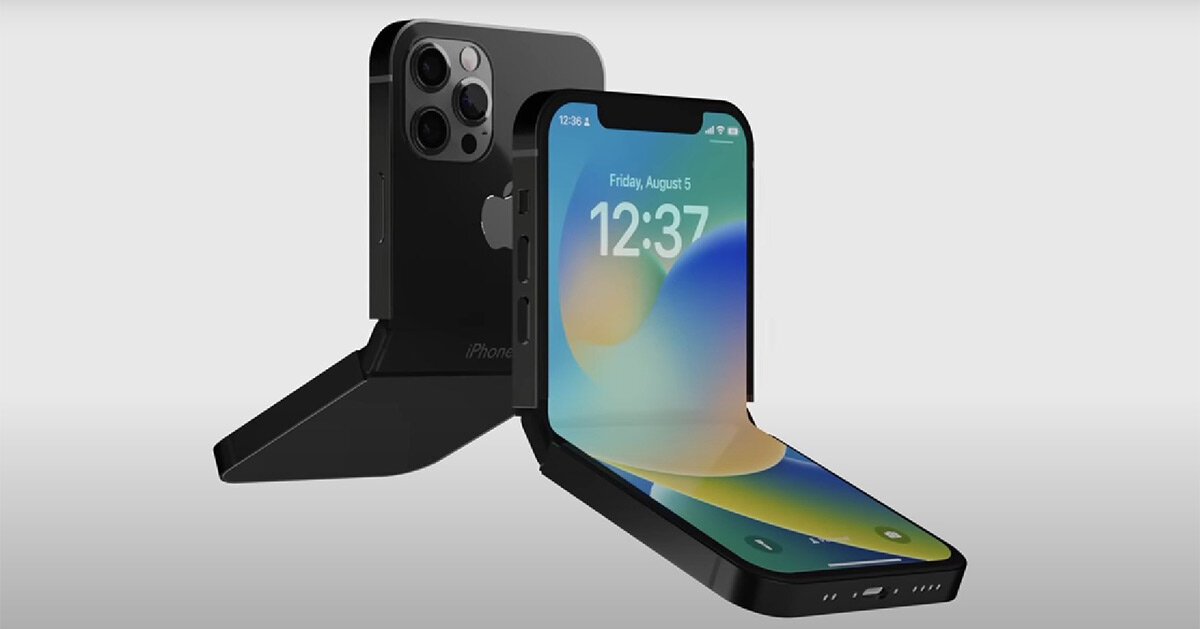
Apple’s rumored iPhone Flip seeks to solve the most persistent problem plaguing foldable smartphones: the visible screen crease. Reports indicate Apple explores hinge mechanisms that reduce or eliminate this crease. This design focus marks a departure from current foldable phone designs. The crease, a result of repeated folding, disrupts user experience. It affects screen clarity and smooth touch interactions. Apple plans to address this through engineering.
Sources suggest Apple examines various hinge designs. These designs include complex gear systems. These gear systems allow the screen to bend in a wider radius. A wider radius reduces stress on the display. This stress causes the crease. Patent filings point to these efforts. These filings detail hinge mechanisms that create a small gap when folded. This gap prevents the screen from folding sharply. This design distributes the bending force across a larger area.
Current foldable phones use a simple hinge. This simple hinge folds the screen sharply. This sharp fold creates a visible line. Users report this line becomes more noticeable over time. The iPhone Flip aims to change this. Apple’s focus on material science also plays a role. Apple explores flexible glass and polymer materials. These materials withstand repeated folding. These materials maintain optical clarity.
Apple’s approach differs from competitors. Samsung, for example, improves its display technology. Samsung focuses on minimizing the crease through software and display material improvements. However, the crease remains visible. Other companies use similar strategies. Apple’s strategy focuses on the hinge mechanism. This mechanism provides a physical solution.
Industry analysts suggest Apple’s solution could set a new standard. This standard applies to foldable phone design. Apple’s reputation for design and engineering gives it an advantage. If successful, this design could influence future foldable phone development.
Apple’s development process includes rigorous testing. Reports indicate Apple tests various prototypes. These prototypes undergo stress tests. These tests simulate years of use. This testing ensures durability and reliability. Apple prioritizes user experience. This priority drives the focus on crease reduction.
The iPhone Flip’s potential impact extends beyond design. It affects market adoption. Foldable phones have struggled to gain mainstream acceptance. The crease problem contributes to this struggle. A crease-free design could attract a wider audience. This audience includes users hesitant to adopt foldable technology.
Apple’s supply chain also plays a key role. Apple works with display manufacturers. These manufacturers develop custom display panels. These panels meet Apple’s specifications. These specifications include flexibility and durability. Apple’s control over its supply chain allows for precise engineering. This precision ensures quality control.
The timeline for the iPhone Flip’s release remains uncertain. Apple does not comment on future products. Industry experts speculate a release in the coming years. This speculation depends on the development progress. Apple’s focus on quality over speed may delay the release.
Apple’s design strategy reflects its overall product philosophy. This philosophy prioritizes user experience. This focus on details distinguishes Apple products. The iPhone Flip embodies this philosophy. It addresses a key user concern. This concern is the screen crease.
Apple’s entry into the foldable phone market could reshape the industry. Competitors will likely respond. They may adopt similar hinge designs. They may focus on improved display materials. Apple’s influence on the market is significant. Its products set trends.
The iPhone Flip’s design addresses a core issue. This issue affects user perception. Apple’s efforts to eliminate the crease demonstrate its commitment. This commitment is to improve foldable phone technology.