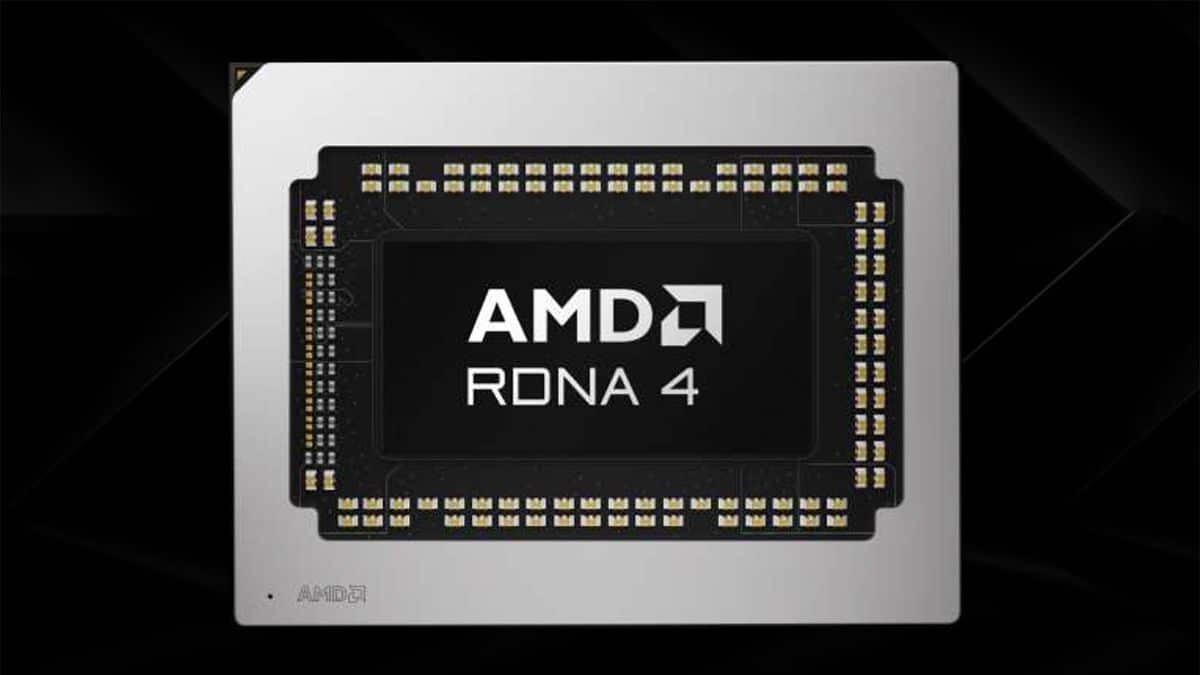
AMD recently confirmed that its upcoming Radeon RX 9000 series graphics cards, based on the new RDNA 4 architecture, will primarily target the desktop PC gaming market. This strategic decision marks a shift from the previous generation, where AMD focused heavily on the mobile sector with its RDNA 3 GPUs. The announcement, which came after a conspicuous absence of any major RDNA 4 reveals at CES 2025, has sparked considerable discussion among PC enthusiasts and tech analysts alike.
This strategic shift raises several questions: Why is AMD prioritizing the desktop market with RDNA 4? What are the implications for gamers and the overall GPU landscape? And what can we expect from these new graphics cards in terms of performance and features? This article delves into AMD’s strategic rationale, explores the potential impact of this decision, and analyzes what it means for the future of PC gaming.
A Calculated Move Towards Desktop Dominance
AMD’s decision to focus on the desktop market with RDNA 4 is likely driven by several factors. Firstly, the desktop market remains a significant segment of the gaming industry, with millions of PC gamers worldwide constantly seeking higher performance and more immersive experiences. By concentrating on this market, AMD can cater to the demands of these enthusiasts and potentially gain a larger share of the lucrative desktop GPU market.
Secondly, the competitive landscape in the GPU market is constantly evolving. NVIDIA’s recent launch of its GeForce RTX 50 series, coupled with Intel’s continued efforts to expand its Arc GPU lineup, has intensified the competition. AMD’s focus on the desktop market with RDNA 4 could be seen as a strategic move to counter these challenges and maintain its competitive edge.
Finally, AMD’s expertise in developing high-performance desktop GPUs, coupled with its strong relationships with AIB partners and a growing software ecosystem, positions it well to capitalize on the opportunities in the desktop market. By leveraging its strengths and focusing its resources, AMD aims to deliver a compelling lineup of RDNA 4 graphics cards that cater to the needs of desktop gamers.
The Implications for Gamers and the GPU Landscape
AMD’s desktop-focused strategy with RDNA 4 has several implications for gamers and the overall GPU landscape. For gamers, this means a renewed focus on high-performance desktop graphics cards, with potentially significant improvements in frame rates, visual fidelity, and overall gaming experiences. AMD’s commitment to the desktop market could also lead to more competitive pricing and a wider variety of graphics cards to choose from, benefiting consumers in the long run.
For the GPU landscape, AMD’s strategic shift could intensify the competition between the major players, leading to faster innovation and more rapid advancements in graphics technology. This could ultimately benefit gamers by driving down prices and accelerating the development of new features and capabilities.
However, this focus on the desktop market also raises questions about AMD’s plans for the mobile sector. While the company has not abandoned the mobile market entirely, it remains to be seen how it will address the needs of laptop gamers with RDNA 4. It’s possible that AMD may adopt a different strategy for mobile GPUs, perhaps focusing on integrated graphics solutions or collaborating with laptop manufacturers to develop custom solutions.
What to Expect from RDNA 4: Performance, Features, and More
While AMD has remained tight-lipped about the specific details of RDNA 4, several rumors and leaks have surfaced, providing some clues about what to expect from these new graphics cards.
- Performance Gains: RDNA 4 is expected to deliver significant performance improvements over its predecessor, potentially offering up to a 2.5x increase in performance-per-watt. This could translate to substantial gains in frame rates and overall gaming performance, especially at higher resolutions and with demanding graphics settings.
- Advanced Features: RDNA 4 is rumored to incorporate advanced features such as AI acceleration, ray tracing enhancements, and improved upscaling technologies like FSR 4. These features could further enhance the gaming experience by enabling more realistic visuals, smoother performance, and more immersive gameplay.
- Efficiency and Power Consumption: AMD has emphasized its focus on power efficiency with RDNA 4. This could result in graphics cards that consume less power while delivering higher performance, making them more attractive to gamers concerned about energy costs and environmental impact.
- New Naming Scheme: AMD has also confirmed a new naming scheme for its Radeon RX 9000 series, aligning it more closely with NVIDIA’s GeForce RTX series. This change is intended to make it easier for consumers to compare and understand the performance tiers of different graphics cards.
My Personal Experiences and Observations
As a technology enthusiast and avid gamer, I’ve closely followed the evolution of AMD’s GPU technology over the years. I’ve been particularly impressed with AMD’s recent strides in performance and innovation, particularly with the RDNA 2 and RDNA 3 architectures. The company’s commitment to delivering high-quality graphics cards at competitive prices has resonated with many gamers, myself included.
I believe that AMD’s focus on the desktop market with RDNA 4 is a smart move. The desktop market remains a vital segment of the gaming industry, and AMD has the potential to capture a significant share of this market with its upcoming graphics cards. I’m particularly excited about the potential performance gains and advanced features that RDNA 4 is rumored to offer.
However, I also recognize the importance of the mobile market and hope that AMD continues to innovate and deliver compelling solutions for laptop gamers. The rise of esports and the increasing popularity of mobile gaming have made laptops a crucial platform for gaming, and AMD cannot afford to neglect this segment.
Looking Ahead: The Future of PC Gaming with RDNA 4
AMD’s RDNA 4 architecture and its desktop-focused strategy hold significant promise for the future of PC gaming. By delivering high-performance graphics cards with advanced features and competitive pricing, AMD has the potential to reshape the GPU landscape and drive further innovation in the industry.
As gamers, we can look forward to a new generation of graphics cards that push the boundaries of visual fidelity and performance, enabling us to experience games in ways never before possible. The competition between AMD, NVIDIA, and Intel is likely to intensify, ultimately benefiting consumers with more choices, better prices, and faster advancements in graphics technology.
While challenges remain, such as addressing the needs of the mobile market and ensuring a smooth software experience, AMD’s commitment to the desktop market with RDNA 4 is a positive sign for PC gamers. As we await the official launch of these new graphics cards, the anticipation and excitement continue to build. The future of PC gaming looks bright, and AMD is poised to play a leading role in shaping that future.