

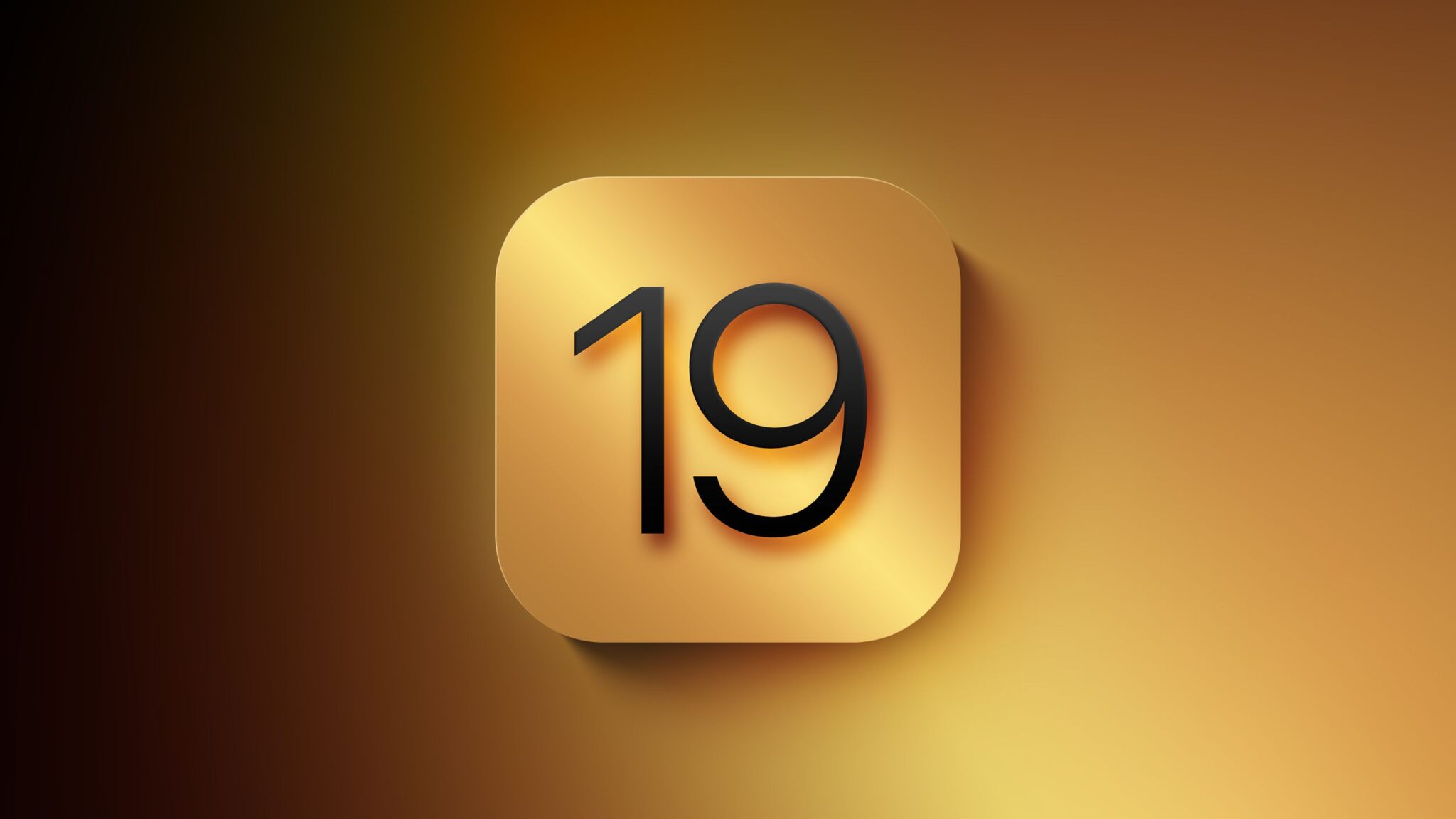
The rumor mill is churning, and the whispers are getting louder: Apple’s upcoming iOS 19 might leave some older iPhones behind. While Apple hasn’t officially confirmed anything, leaks and speculation suggest that iOS 19 could drop support for several iPhone models, potentially leaving many users with a tough decision: upgrade their device or miss out on the latest features.
This isn’t entirely unexpected. Apple typically supports its devices with software updates for around 5-6 years, which is already longer than most Android manufacturers. But with each new iOS version, the company needs to balance S with maintaining compatibility across a wide range of hardware. So, which iPhones are rumored to be on the chopping block this time? And what does this mean for iPhone users? Let’s dive in.
The Potential iOS 19 Compatibility List
While nothing is set in stone, the following iPhone models are rumored to be compatible with iOS 19:
- iPhone 15 series: This is a given, as these will be the newest iPhones released alongside iOS 19.
- iPhone 14 series: As the previous generation, the iPhone 14 models are almost guaranteed to receive the update.
- iPhone 13 series: Still relatively new, the iPhone 13 series should also be safe.
- iPhone 12 series: This might be where things get tricky. Some rumors suggest that the entire iPhone 12 series will be supported, while others claim that the iPhone 12 mini might be left behind due to its older A14 Bionic chip.
- iPhone 11 series: The iPhone 11 series is where the cutoff is most likely to happen. Early rumors suggest that the iPhone 11 Pro and Pro Max might make the cut, but the standard iPhone 11 might not.
This means that the following iPhones might miss out on iOS 19:
- iPhone XS, XS Max, and XR: Released in 2018, these iPhones have had a good run, but their A12 Bionic chip might not be powerful enough to handle the demands of iOS 19.
- iPhone X: The 2017 flagship iPhone X could also be reaching the end of its software support lifecycle.
- All older models: Any iPhone older than the iPhone X is almost certainly out of the running for iOS 19.
Why Apple Drops Support for Older iPhones
There are several reasons why Apple stops providing software updates for older devices:
- Hardware Limitations: New iOS versions often include features that require more processing power, memory, and advanced graphics capabilities. Older iPhones might not have the hardware to support these features, leading to a poor user experience.
- Performance Optimization: Apple optimizes each new iOS version for the latest hardware. Trying to make it work on older devices can lead to performance issues, slowdowns, and battery drain.
- Security: Apple regularly releases security updates to patch vulnerabilities. Older hardware might have limitations that prevent these security patches from being effectively implemented, leaving users vulnerable to cyber threats.
- Encouraging Upgrades: Let’s face it, dropping support for older models encourages users to upgrade to newer iPhones, which is good for Apple’s business.
What Does This Mean for You?
If you have an iPhone that’s rumored to be on the iOS 19 incompatibility list, you have a few options:
- Stay on iOS 18: You can continue using your current iPhone with iOS 18. However, you’ll miss out on new features, performance improvements, and security updates.
- Upgrade to a New iPhone: This is the most obvious solution, but it can be expensive.
- Explore Alternatives: Consider switching to Android or exploring refurbished iPhone options if a brand new iPhone is out of your budget.
My Personal Experience
I’ve been an iPhone user for over a decade, and I’ve experienced this cycle of upgrades and obsolescence firsthand. I remember when my trusty iPhone 6s was no longer supported by the latest iOS version. Initially, I resisted upgrading, but eventually, the lack of new features and growing security concerns pushed me to get a newer model. While it can be frustrating to feel pressured to upgrade, I understand the reasons behind Apple’s approach.
Looking Ahead
It’s important to remember that these are just rumors for now. Apple will officially announce iOS 19 and its compatible devices at its Worldwide Developers Conference (WWDC) in June. Until then, take these rumors with a grain of salt.
However, it’s always a good idea to be prepared. If you have an older iPhone, start thinking about your options. Do you need the latest features and performance improvements? Or are you comfortable sticking with your current device for a while longer?
No matter what you decide, remember that you have the power to choose. Don’t let the rumor mill dictate your upgrade cycle. Make an informed decision based on your needs and budget.
In the meantime, stay tuned for official announcements from Apple. The iOS 19 landscape will become much clearer in the coming months.