

In a monumental leap towards restoring vision for the blind, Elon Musk’s Neuralink has received the coveted ‘Breakthrough Device’ designation from the U.S. Food and Drug Administration (FDA) for its groundbreaking ‘Blindsight’ technology. This marks a pivotal moment in the realm of neurotechnology, promising to revolutionize the lives of millions grappling with visual impairment.
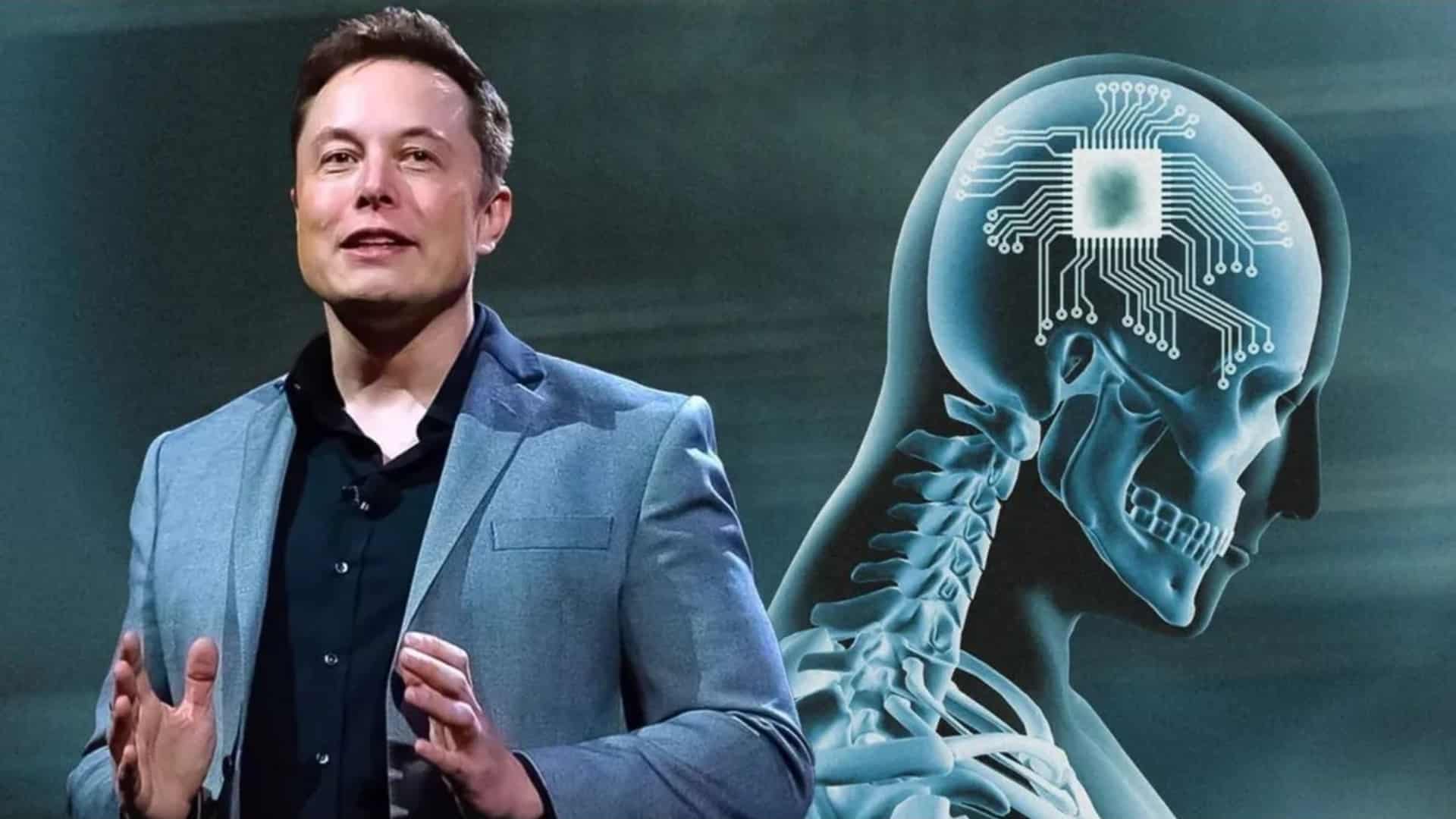
The essence of Neuralink’s Blindsight technology lies in its ability to bypass damaged optic nerves, transmitting visual information directly to the brain’s visual cortex. This is achieved through a sophisticated brain-computer interface (BCI) comprising a minuscule, implantable chip studded with thousands of electrodes. These electrodes establish a direct communication link with the neurons in the visual cortex, effectively circumventing the impaired optic pathways.
The FDA’s ‘Breakthrough Device’ designation serves as a testament to the immense potential of Neuralink’s Blindsight technology in addressing an unmet medical need. This expedited regulatory pathway is reserved for devices that demonstrate the potential to offer more effective treatment or diagnosis of life-threatening or irreversibly debilitating diseases or conditions.
Decoding Neuralink’s Blindsight Technology: A Deep Dive
At the heart of Neuralink’s Blindsight technology lies a tiny, implantable chip, no larger than a coin. This chip is meticulously engineered to house an array of thousands of microscopic electrodes. These electrodes serve as the conduits for establishing a direct communication link with the neurons residing in the brain’s visual cortex.
The process of implanting this chip involves a minimally invasive surgical procedure. Once nestled within the brain, the chip’s electrodes begin their intricate task of recording the electrical activity of the neurons in the visual cortex. This neural activity is then transmitted wirelessly to an external device, where it undergoes sophisticated decoding and processing.
The decoded neural signals are subsequently translated into visual information, which is then presented to the user through a specialized visual prosthesis. This prosthesis can take various forms, such as a pair of glasses equipped with augmented reality displays or even direct stimulation of the visual cortex itself.
The Promise of Blindsight: A Beacon of Hope for the Visually Impaired
The implications of Neuralink’s Blindsight technology are profound, extending far beyond merely restoring sight. This revolutionary technology has the potential to significantly enhance the quality of life for individuals with visual impairment, granting them newfound independence and autonomy.
Imagine a world where the visually impaired can navigate their surroundings with confidence, identify objects and faces, and even experience the beauty of visual art. Neuralink’s Blindsight technology brings us closer to this reality, offering a glimmer of hope to millions around the globe.
The Road Ahead: Challenges and Opportunities
While the FDA’s ‘Breakthrough Device’ designation is a significant milestone, the journey towards widespread adoption of Neuralink’s Blindsight technology is still fraught with challenges. The safety and efficacy of the technology need to be rigorously evaluated through extensive clinical trials.
Moreover, the ethical implications of such a powerful technology need to be carefully considered. Issues such as privacy, autonomy, and the potential for misuse need to be addressed proactively to ensure the responsible development and deployment of this technology.
Despite the challenges, the potential of Neuralink’s Blindsight technology to transform the lives of the visually impaired is undeniable. As research and development progress, we can anticipate a future where blindness is no longer an insurmountable obstacle, but a challenge that can be overcome through the marvels of neurotechnology.
Neuralink’s Blindsight technology represents a monumental stride in the field of neurotechnology. While challenges remain, the potential of this technology to transform the lives of millions is undeniable. As we continue to push the boundaries of innovation, we can look forward to a future where visual impairment is no longer a barrier to a fulfilling life.
Additional Insights and Considerations:
- The Impact on the Blind Community: The development of Neuralink’s Blindsight technology has sparked a range of emotions within the blind community. While many are hopeful about the potential for restored vision, others express concerns about the technology’s implications for their identity and way of life. It is crucial to engage in open and inclusive dialogue with the blind community to ensure that their voices are heard and their needs are met.
- The Future of Brain-Computer Interfaces: Neuralink’s Blindsight technology is just one example of the immense potential of brain-computer interfaces. As research and development in this field continue to advance, we can anticipate a future where BCIs are used to treat a wide range of neurological disorders, enhance human cognition, and even facilitate communication with artificial intelligence.
- The Importance of Ethical Considerations: The development and deployment of powerful neurotechnologies like Neuralink’s Blindsight raise important ethical questions. Issues such as privacy, autonomy, and the potential for misuse need to be carefully considered to ensure the responsible use of these technologies.