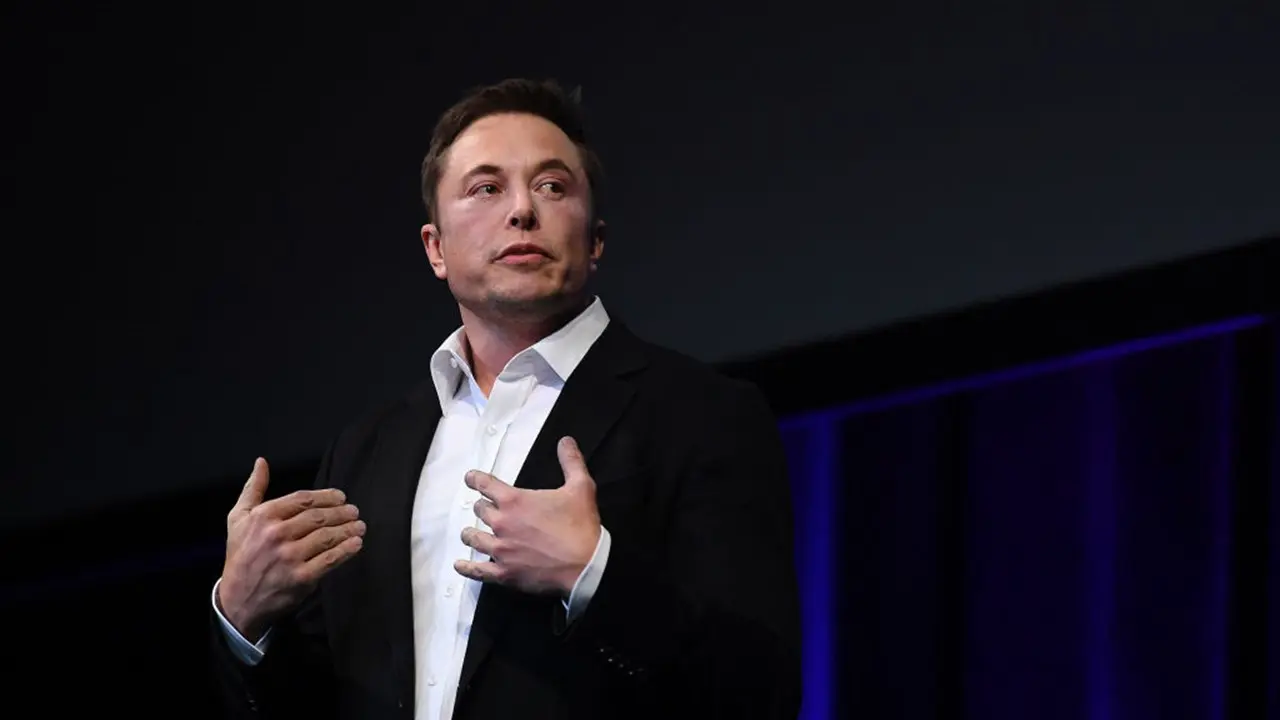
Tesla, once heralded as a pioneer of the electric vehicle revolution, now finds itself wrestling with a new and perhaps less predictable adversary: the political persona of its own CEO. Elon Musk’s increasingly outspoken—and often divisive—political engagement is making waves, not just online, but on Wall Street and in showrooms around the globe. What began as a tech leader’s flirtation with public discourse has morphed into a high-stakes gamble, with tangible consequences for Tesla’s market performance, brand appeal, and internal stability.
Key Takeaways:
- Tesla’s market value has plunged by an estimated $380 billion in 2025.
- The company’s stock ranks among the worst-performing large-cap equities this year.
- Q1 2025 global sales dropped 13%, marking Tesla’s weakest quarter in nearly three years.
- Analysts are flagging brand damage and “key-person risk” as growing concerns.
- Notable sales slumps in California and several key European markets.
- Public backlash has included protests and vandalism at Tesla sites globally.
A CEO’s Political Shift: From Tech Visionary to Political Force
Musk has long been seen as a brilliant, if eccentric, visionary—someone more concerned with Mars missions and self-driving cars than election cycles. But that image has shifted sharply. Lately, his political leanings have become harder to ignore. Once known for a more eclectic approach to politics, Musk now appears to be aligning almost exclusively with far-right candidates and causes.
According to multiple reports, he became the single largest donor to Donald Trump’s 2024 campaign, directing hundreds of millions of dollars toward supporting the former president. He also took up a formal role within the Trump administration’s Department of Government Efficiency (DOGE)—an initiative with a name as tongue-in-cheek as it was politically charged. Add to that Musk’s regular use of X, the social platform he owns, to broadcast political content, and it’s easy to see why scrutiny is mounting.
The Trump Feud: A Public Clash with Immediate Repercussions
But if Musk thought alignment would insulate him from political risk, reality had other plans. His relationship with Trump unraveled quite publicly after Musk lambasted a new tax and spending package, branding it a “disgusting abomination.” Trump, never one to let a slight go unanswered, responded in kind—threatening to cancel federal contracts with Musk’s companies, including SpaceX.
The back-and-forth, which played out in real time on social media, sent ripples through the markets. And for Tesla, those ripples quickly turned into waves. The incident became a case study in how a CEO’s political feuds can quickly become corporate liabilities.
Tesla’s Mounting Financial Pressure
The numbers tell a sobering story. According to The Times of India, Tesla has lost approximately $380 billion in market value since January 2025. On just one particularly brutal trading day, reported by Mint, shares tumbled 14%, wiping out $150 billion in market cap—a direct response to Musk’s comments on the Trump bill.
Analysts from Baird and Argus Research have downgraded Tesla stock, explicitly citing “key-person risk” linked to Musk’s increasingly polarizing behavior. Baird also warned that the brand itself has suffered, contributing to more bearish sentiment around future demand. JPMorgan, meanwhile, estimates Tesla could lose as much as $1.2 billion in annual profits if the bill in question prematurely ends federal EV tax credits—something Musk’s political actions may inadvertently accelerate.
Sales Figures Reflect Consumer Hesitation
Beyond Wall Street, the company’s core business is also feeling the pressure. Global vehicle deliveries fell 13% in Q1 2025—Tesla’s weakest showing since mid-2022. And that’s despite price cuts and a wave of incentives aimed at maintaining momentum.
Observers point to a perfect storm: increased competition, an aging product lineup, and yes, Musk himself. Marketing professor Scott Galloway argued that Musk has “alienated the wrong people,” suggesting his politics are pushing away the very consumers who made Tesla what it is—often progressive, climate-conscious early adopters.
Regional data paints a stark picture:
- France: sales down 59%
- Sweden: down 81%
- Netherlands: down 74%
- Denmark: down 66%
- Switzerland: down 50%
- Portugal: down 33%
Even California—a historic stronghold for Tesla—is showing signs of retreat.
Brand Image Under Pressure
Musk’s politics aren’t just sparking debates online—they’re leading to real-world consequences. Protesters have gathered at Tesla locations across continents. Instances of vandalism have been reported, including graffiti labeling the cars as “Nazi vehicles” and even Molotov cocktail attacks in isolated cases. Some Tesla owners are putting bumper stickers on their cars that read, “I bought it before Elon went nuts,” a small but telling sign of consumer dissonance.
Morning Consult Intelligence found that Tesla’s brand perception has notably worsened in Canada and Europe. And while sentiment in the U.S. remains more mixed, high-income buyers planning to purchase an EV now rank Tesla lower than they did just a year ago.
Employee Morale and Operational Focus
That’s not just a workplace gripe. Tesla’s facing intense competition, and its success depends on focused leadership—something that’s increasingly in question as Musk divides his time and attention.
Tesla’s challenges aren’t just about numbers on a balance sheet. They’re about identity—how the company is perceived, who it appeals to, and whether its leader is steering it with the clarity and focus that once defined his brand.
With new ventures like the robotaxi initiative on the horizon, the stakes couldn’t be higher. But as long as Musk remains a political lightning rod, it’s hard to imagine Tesla fully escaping the consequences. Investors, consumers, and employees alike are watching closely—and wondering what comes next.