

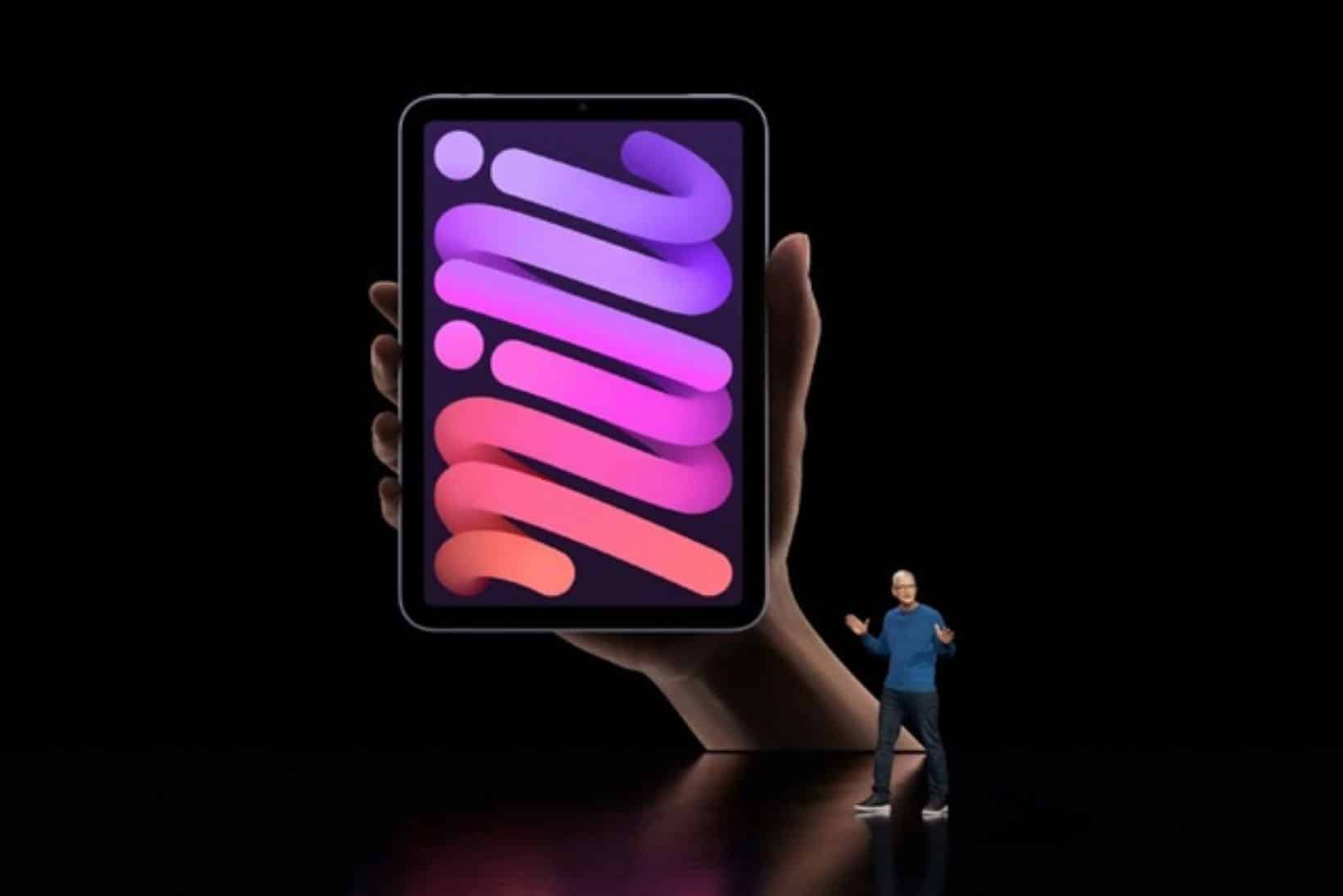
Apple’s move to OLED for its iPad Pros feels like a natural—and necessary—evolution. OLED’s self‑emissive pixels mean true blacks, higher contrast, richer colors, and no need for backlighting. That’s gold for creatives, binge‑watchers, and anyone who cares about visual fidelity.
Key Takeaways
- Apple’s next-gen M5‑powered iPad Pro models, expected in October 2025, will sport OLED displays.
- Samsung Display and LG Display have kicked off mass production for both 11‑inch and 13‑inch panels.
- Apple is diversifying its supply chain—getting panels from both suppliers for each size.
- BOE, China’s biggest display maker, is hitting significant technical snags—especially around LTPO OLED quality.
- BOE’s repeated quality issues with iPhone panels are showing it can’t land more of Apple’s premium display business.
- OLED iPads are set to shake up the premium tablet market with better visuals and slimmer builds.
- “Tandem OLED” tech brings top‑tier brightness and durability—at notable extra manufacturing cost.
- Apple leads the global tablet market, and the OLED move is likely to strengthen its premium positioning.
Plus, OLED panels are thinner and lighter, which plays straight into Apple’s design ethos: sleek, minimal, portable. The current 11″ iPad Pro already enjoys Samsung’s OLED, while LG covers the 13″. Now, for the M5 iPads, Apple has both Samsung and LG supplying both sizes—smart, considering what diversification does for supply-security and flexibility.
What’s “Tandem OLED” Anyway?
So, “tandem OLED” means stacking two identical light‑emitting layers. The payoff? Up to double the brightness and around quadruple the lifespan compared to regular single‑layer OLEDs. The downside is cost—50–75% more expensive to make. But for Apple, it’s worth it. It elevates that premium iPad Pro experience, justifying its spot at the top‑end price tier.
Samsung Display & LG Display: Supply Chain Powerhouses
Samsung Display is no stranger to Apple—it’s been the core supplier for iPhone OLEDs for years. Their 8th‑gen OLED lines, especially for IT devices, are running full tilt. Their oxide-TFT tech is apparently Apple’s preference, so it’s no surprise they’re first in line.
LG Display, meanwhile, is doubling down with a ₩1.26 trillion (US $918 million) investment to ramp up 6th‑gen small‑to‑mid‑sized OLED capacity. They’ve had trouble filling their big TV fabs profitably, so shifting focus to high‑value iPhone and iPad panels is clever. It’s flexible supply chain stuff in action—one capacity pool feeding multiple Apple product lines.
BOE: Facing a Steep Uphill Climb
BOE wanted in. Really wanted in. But it turns out Apple’s standards for LTPO (the refresh‑rate power-saver tech behind ProMotion) are just too high. BOE’s iPhone panel failures are well‑known, and now their iPad OLED efforts don’t seem much further along.
Heck, BOE isn’t even expected to begin serious OLED production until around 2026–27, at their new 8.7‑gen fabs. Right now, just finishing LTPO QC for iPhones is a stretch, making them a long shot for iPads. Meanwhile, Samsung and LG are picking up all that high‑margin business.
What This Means for the Tablet Market
OLED iPads are a wake‑up call. They set a new bar: brighter, longer-lasting, extremely precise panels—and sleeker designs. That means Apple’s premium tablets aren’t just better—they look and feel better, which matters to consumers and pros.
Sure, those tandem OLEDs cost more, so it’ll show in the price. But Apple is betting on that differentiation, and up to now, tablet shipments have been heading up—9% in 2024, with Apple holding 42.3% market share in Q4 2024. So yeah, the numbers are working in their favor.
Competitors like Samsung, Lenovo, and Huawei are also growing, but they’re watching Apple’s OLED momentum and probably feeling the heat in the high-end niche.
What’s next? Well, Apple’s long-term aim is clear: shift the entire iPad line to OLED—mini by 2026, Air by 2027, and eventually the lower-end standard models. That’s going to pump demand for OLED fabs that can match Apple’s tech quality and volume—something Samsung and LG are already equipped for.
BOE has a decision to make—invest heavily and maybe catch up, or risk staying on the sidelines. Apple, meanwhile, keeps flexing its purchasing power with multiple capable suppliers. All signs point to premium tablet tech only accelerating from here.
FAQ
Q1. What are the advantages of OLED over LCD/Mini‑LED?
OLED delivers better contrast, true blacks, richer colors, faster response, wider viewing angles—and it allows slimmer designs with no need for backlight.
Q2. What exactly is tandem OLED and why choose it?
Tandem OLED stacks two emission layers. That boosts brightness and lifespan considerably—one reason Apple’s using it in the iPad Pro, even though it costs significantly more to produce.
Q3. Why Samsung Display and LG Display? What’s Apple’s strategy?
Both have proven, mass-production OLED tech, including LTPO. Apple is diversifying to reduce risk, maintain volume, and manage costs—classic supply chain play.
Q4. What issues is BOE facing with Apple?
Quality control—especially on LTPO panels for ProMotion. Panels have been rejected, and BOE’s capacity and technical maturity on OLED aren’t up to Apple’s bar, for now.
Q5. When do we expect the new OLED iPad Pros and what chip will they have?
October 2025 is the expected launch window, with the new M5 chip inside.