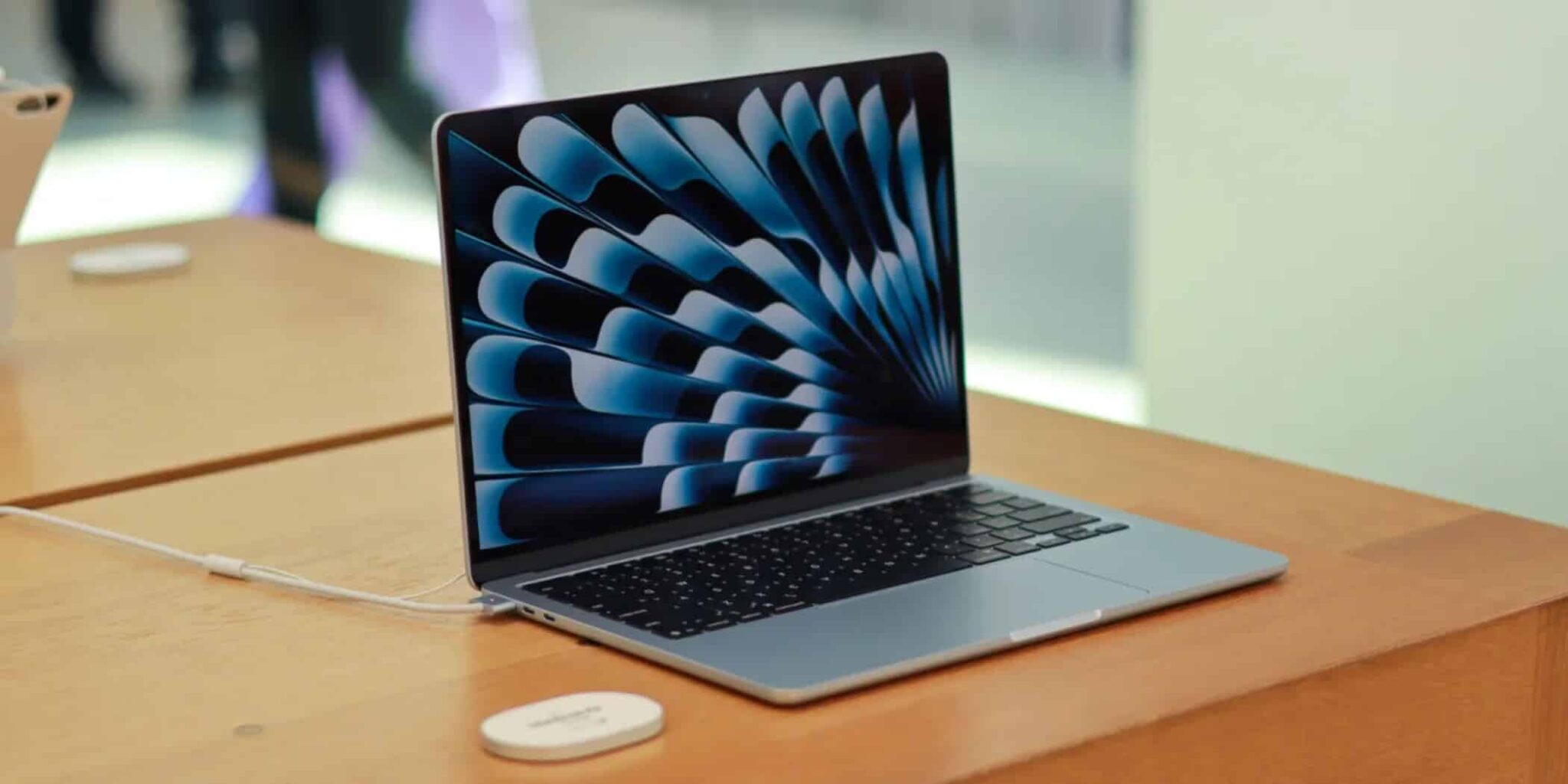
Apple is planning to introduce a more affordable MacBook, potentially powered by the A18 Pro chip currently used in the iPhone 16 Pro series. This strategic move, reported by supply chain analyst Ming-Chi Kuo, aims to broaden Apple’s laptop market reach and boost overall MacBook shipments. The new model, expected to commence mass production in late 2025 or early 2026, would mark a shift from the M-series chips typically found in MacBooks.
Key Takeaways:
- Apple is reportedly developing a low-cost MacBook model.
- This new MacBook is expected to feature the A18 Pro chip from the iPhone 16 Pro.
- Mass production could begin in late 2025 or early 2026, targeting a 2026 release.
- The device is anticipated to have a 13-inch display and come in various colors like silver, blue, pink, and yellow.
- The move aims to expand Apple’s market share, particularly in educational and emerging markets.
- Performance of the A18 Pro in a MacBook is expected to be comparable to the M1 chip for common tasks.
- Pricing is a key factor, with expectations for it to be significantly lower than the current MacBook Air.
For years, Apple has maintained a premium position in the laptop market with its MacBook Air and MacBook Pro lines, all powered by its custom-designed M-series silicon. These M-series chips, including the M1, M2, M3, and recently the M4 found in the latest iPad Pro, are known for their balance of performance and power efficiency. The current entry-level MacBook Air with the M2 chip starts at $999. However, market dynamics and the growing demand for more accessible computing solutions appear to be influencing Apple’s roadmap.
The decision to integrate an A-series chip, primarily designed for iPhones and some iPads, into a MacBook signifies a strategic departure for Apple. This approach aligns with Apple’s existing strategy for its iPad lineup, where entry-level iPads use A-series chips (like the A16 in the current entry-level iPad), while more professional models such as the iPad Air and iPad Pro feature the more capable M-series chips. This tiered approach allows Apple to offer various price points while maintaining performance standards appropriate for each product category.
The A18 Pro Chip: Capabilities and Expectations
The A18 Pro chip, which debuted in the iPhone 16 Pro series, is a formidable mobile processor. It boasts a 16-core Neural Engine, faster CPU, and enhanced GPU, all optimized for on-device machine learning and real-time processing, crucial for Apple Intelligence features. While the M-series chips are designed for higher sustained performance and professional workloads often associated with desktop operating systems, the A18 Pro’s capabilities are noteworthy.
According to Geekbench benchmarks, the A18 Pro’s single-core performance is around 3500, placing it close to the M4 chip. Its multi-core score, approximately 8780, while trailing the M4 (around 15000), is comparable to the original M1 chip. The M1 chip, released in late 2020, still offers robust performance for most everyday computing tasks, including web Browse, word processing, media consumption, and light photo and video editing. This suggests that an A18 Pro-powered MacBook could deliver a solid user experience for the general consumer and student segments, who typically do not require the intensive processing power of M-series chips.
The A-series chips are known for their remarkable power efficiency, which could translate into a fanless design for the new MacBook, similar to the original M1 MacBook Air. A fanless design would result in a thinner, lighter, and quieter device, enhancing portability and user comfort. The thermal design and battery optimization would be critical in such a product, ensuring sustained performance without thermal throttling.
Market Strategy and Target Audience
Apple’s reported objective with this low-cost MacBook is to drive total MacBook shipments back to the peak levels seen during the COVID-19 era, which were around 25 million units. Analyst Ming-Chi Kuo estimates that this new affordable MacBook could account for 5 to 7 million units in 2026. This aggressive target suggests that Apple plans to price the device competitively, potentially below the $999 threshold of the current MacBook Air.
The primary target audience for this new MacBook would likely be students, educational institutions, and users in emerging markets where price is a significant barrier to entry for Apple’s existing laptop lineup. By offering a MacBook at a more accessible price point, Apple aims to capture a larger share of the entry-level laptop market, currently dominated by Chromebooks and budget Windows laptops. This move could also serve to introduce new users to the macOS ecosystem, potentially leading to future upgrades to more premium Apple products.
Apple’s education strategy currently includes special pricing for Mac and iPad products, alongside offers like free AirPods or eligible accessories for college students. A more affordable MacBook could significantly strengthen this position, making Apple’s computing platform more attainable for a broader student demographic globally.
Design and Features
Reports indicate the new MacBook will feature a 13-inch display, a common and popular size for portable laptops, similar to the current 13.6-inch MacBook Air. The potential inclusion of vibrant color options such as silver, blue, pink, and yellow, as suggested by Kuo, would be a departure from the more muted tones typically seen in Apple’s professional MacBook line and could appeal to a younger demographic. This approach echoes the colorful iMac G3 from the late 1990s and more recent colorful offerings like the M1 iMac.
While specifics about other features like port selection, keyboard design, and webcam quality are not yet clear, it is expected that Apple would aim to maintain a standard level of quality and user experience consistent with the MacBook brand. However, to keep costs down, certain premium features found in the MacBook Air or Pro models, such as extensive port options or advanced display technologies, might be streamlined. One concern raised by some observers is the possibility of a limited number of USB-C ports, similar to the now-discontinued 12-inch Retina MacBook, which featured only a single USB-C port. Apple would need to balance cost-saving measures with user convenience to ensure broad appeal.
Manufacturing and Supply Chain
Apple’s manufacturing partners, primarily Taiwanese original design manufacturer firms like Foxconn, Pegatron, and Wistron, with significant operations in China and growing presence in India and Vietnam, would be instrumental in the mass production of this new MacBook. The use of an A-series chip, already produced in high volumes for iPhones, could potentially streamline the manufacturing process and reduce component costs compared to the M-series chips, which are exclusively for Macs and iPads.
The commonality in architecture between the A-series and M-series chips, both based on ARM architecture and designed by Apple, could also contribute to production efficiencies. Taiwan Semiconductor Manufacturing Co. (TSMC), a key partner for Apple, manufactures both A-series and M-series chips, leveraging its advanced fabrication processes.
Implications for the Market
The introduction of a low-cost MacBook could intensify competition in the budget laptop segment. While Chromebooks have gained traction in education and low-cost markets, an Apple offering at a competitive price point could draw users who prefer the macOS ecosystem and Apple’s integrated software and hardware experience. This move could force other manufacturers of Windows laptops to further differentiate their entry-level products.
For Apple, a successful entry into this market segment could provide a fresh revenue stream and an expanded user base. It also demonstrates Apple’s willingness to adapt its product strategy to meet broader market demands and address accessibility concerns. By offering a more affordable MacBook, Apple aims to reinforce its brand loyalty from an earlier age, potentially securing long-term customers who will eventually upgrade to higher-tier products within the Apple ecosystem.
While the reports from Ming-Chi Kuo are often accurate, Apple has not made any official announcements regarding this product. The timeline of late 2025 or early 2026 for mass production suggests that a public unveiling could occur in early 2026, perhaps at an annual Spring event. The success of this new MacBook will depend on its final pricing, its feature set, and how effectively Apple positions it within its existing product lineup and against its competitors. This potential new MacBook, with its iPhone-derived chip, represents a noteworthy step for Apple in its pursuit of expanding its computing footprint.
FAQ Section
Q1: What chip is expected to power the new low-cost MacBook?
A1: The new low-cost MacBook is expected to be powered by the A18 Pro chip, which is currently used in the iPhone 16 Pro series.
Q2: When is the low-cost MacBook expected to be released?
A2: Mass production for the new MacBook is anticipated to begin in late 2025 or early 2026, suggesting a market release in 2026.
Q3: What screen size is expected for this new MacBook?
A3: The new low-cost MacBook is expected to feature a 13-inch display.
Q4: Will this new MacBook be cheaper than the current MacBook Air?
A4: Yes, the primary goal of this new model is to offer a more affordable MacBook, with expectations that its price will be significantly lower than the current MacBook Air, which starts at $999.
Q5: How will the A18 Pro chip perform compared to the M-series chips in existing MacBooks?
A5: The A18 Pro’s single-core performance is close to the M4 chip, and its multi-core performance is comparable to the original M1 chip. This means it should offer robust performance for everyday tasks, though likely not for demanding professional applications that M-series chips handle.
Q6: What colors might the new low-cost MacBook be available in?
A6: Reports suggest the new MacBook could come in vibrant colors such as silver, blue, pink, and yellow.
Q7: Is this the first time Apple is using an iPhone chip in a MacBook?
A7: Yes, if released, this would be the first Mac device to directly adopt an A-series processor from the iPhone lineup. Apple has previously used A-series chips in some iPad models.
Q8: What is Apple’s strategy behind launching a low-cost MacBook?
A8: Apple aims to broaden its market reach, particularly in the education sector and emerging markets, by offering a more accessible entry point into the macOS ecosystem. This could boost overall MacBook shipments.