


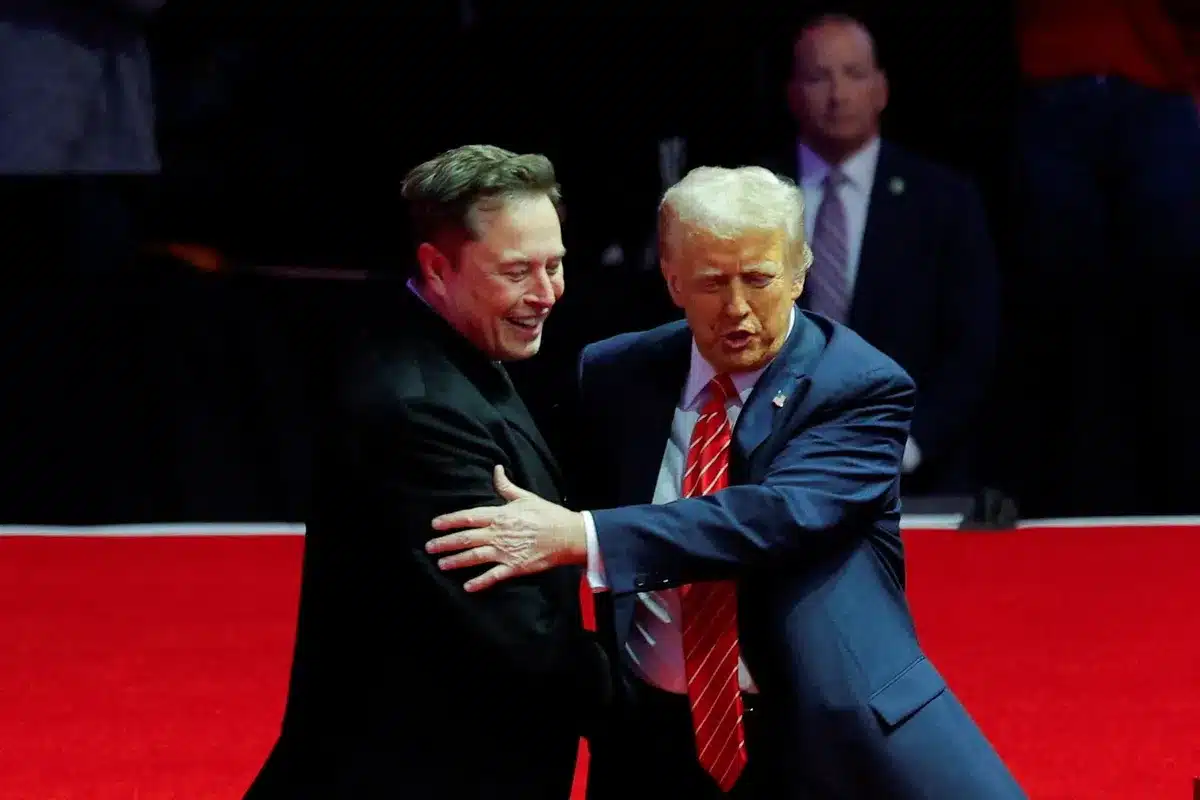
Elon Musk, the prominent figure behind Tesla and SpaceX, recently concluded his temporary role within the Trump administration, stepping down from his position as head of the Department of Government Efficiency (DOGE). This exit, formally announced on May 28, 2025, and solidified with a White House farewell on May 30, marks a notable shift in his direct engagement with the government. His tenure, limited by a 130-day “special government employee” status, brought both public visibility and behind-the-scenes friction. The implications of this separation for his companies, particularly Tesla and SpaceX, are now under scrutiny.
A Temporary Alliance Ends: Reasons Behind the Break
Musk’s participation in the Trump administration, aimed at reducing government spending and bureaucracy, was always set to be temporary. However, reports indicate growing frustration on Musk’s part with the challenges of implementing large-scale government reform. His public criticism of the administration’s “One Big Beautiful Bill,” which he felt undermined his cost-cutting efforts by increasing the federal deficit, highlighted a divergence in priorities.
Sources close to the situation suggest that Musk found navigating the federal bureaucracy more difficult than expected, describing it as an “uphill battle.” His commitment to his businesses, especially with Tesla facing plunging sales and a need for renewed focus, also played a role in his decision to step back from direct government work. This shift allows Musk to redirect his attention to his core ventures, which had reportedly suffered from his time spent on political activities.
Tesla’s Path Forward: Regulatory Climate and Market Reception
Tesla, a company that has often faced unique regulatory challenges, may experience a mixed impact from Musk’s departure. While his presence in the administration could have been seen as a direct line to influence, it also exposed Tesla to increased public and political scrutiny. Protests at Tesla dealerships and a significant drop in first-quarter profits coincided with his government stint, leading some shareholders to call for his full return to company operations.
The Trump administration’s broader approach to regulations has sometimes favored reducing what it terms “red tape” for American automakers, including Tesla. For instance, recent moves aimed at easing rules for self-driving cars were presented as an effort to boost U.S. competitiveness. However, the administration’s stance on environmental policies has been less aligned with Tesla’s core mission as a leader in sustainable technology. The U.S. withdrawal from the Paris Agreement and discussions around terminating clean energy tax credits, as proposed in the “One Big Beautiful Bill,” could create headwinds for Tesla’s market in the long term.
Tesla’s public warning that abruptly ending energy tax credits could “threaten America’s energy independence” underscores a potential area of friction. While Musk’s personal political spending is expected to decrease, his ability to lobby Congress as a private citizen might now take center stage in advocating for policies favorable to clean energy and electric vehicles. The company’s focus on its “green tech pioneer” image and its standing in Environmental, Social, and Governance (ESG) indices remains a concern for investors, especially after a period of decreased sales and heightened public discourse.
SpaceX and Government Contracts: A Delicate Balance
SpaceX, with its significant contracts with NASA and the Pentagon, operates in a different regulatory landscape than Tesla. The relationship between SpaceX and the U.S. government is fundamental to its operations, particularly for projects like the Human Landing System for lunar missions and military satellite launches. The Trump administration has generally supported human space exploration, aiming for a return to the Moon and missions to Mars, aligning with SpaceX’s long-term ambitions.
However, Musk’s political engagement and the controversy surrounding DOGE’s activities have drawn attention to potential conflicts of interest. A recent congressional report highlighted concerns about Musk’s dual role as a “special government employee” and CEO of companies with large federal contracts. Legal challenges to the Appointments Clause, which questions the legality of his authority to influence federal budgets and contracts without Senate confirmation, could introduce uncertainty. While the administration has lauded SpaceX’s contributions to American space leadership, any perceived instability in political alignment could carry risks.
SpaceX’s reliance on government funding and approvals, from NASA missions to FAA launch licenses, means it must maintain a stable relationship with federal agencies. Ongoing scrutiny over Starship test failures and the sheer scale of government funding received by the company highlight the delicate balance between private sector innovation and public accountability. Despite Musk’s departure, many of his associates from DOGE are reportedly staying on, suggesting an ongoing, albeit indirect, influence on government efficiency efforts.
The Broader Picture: Trust and Public Perception
Musk’s direct involvement in the Trump administration brought both supporters and critics. His efforts to cut federal spending were praised by some, while his methods, which included mass layoffs and restructuring of agencies, drew strong opposition and legal challenges. Protests against his companies, alongside reports of plunging sales at Tesla, suggest a public backlash tied to his political visibility.
His exit, however, also allows Musk to shift his focus squarely back to his companies. He has stated his intention to return to running Tesla and SpaceX “24/7.” This renewed focus could be a positive for both companies, allowing them to concentrate on product development, market growth, and addressing operational challenges without the added layer of direct political entanglement.
Ultimately, the long-term effects of Elon Musk’s break with the Trump administration will unfold over time. For Tesla, it means navigating a complex regulatory environment while reinforcing its core mission of sustainable energy and electric vehicles. For SpaceX, it means continuing its ambitious space exploration goals while ensuring its government partnerships remain strong and free from political controversy. The separation may allow for a clearer distinction between Musk as a business leader and Musk as a political figure, potentially allowing his companies to move forward with a more focused approach.