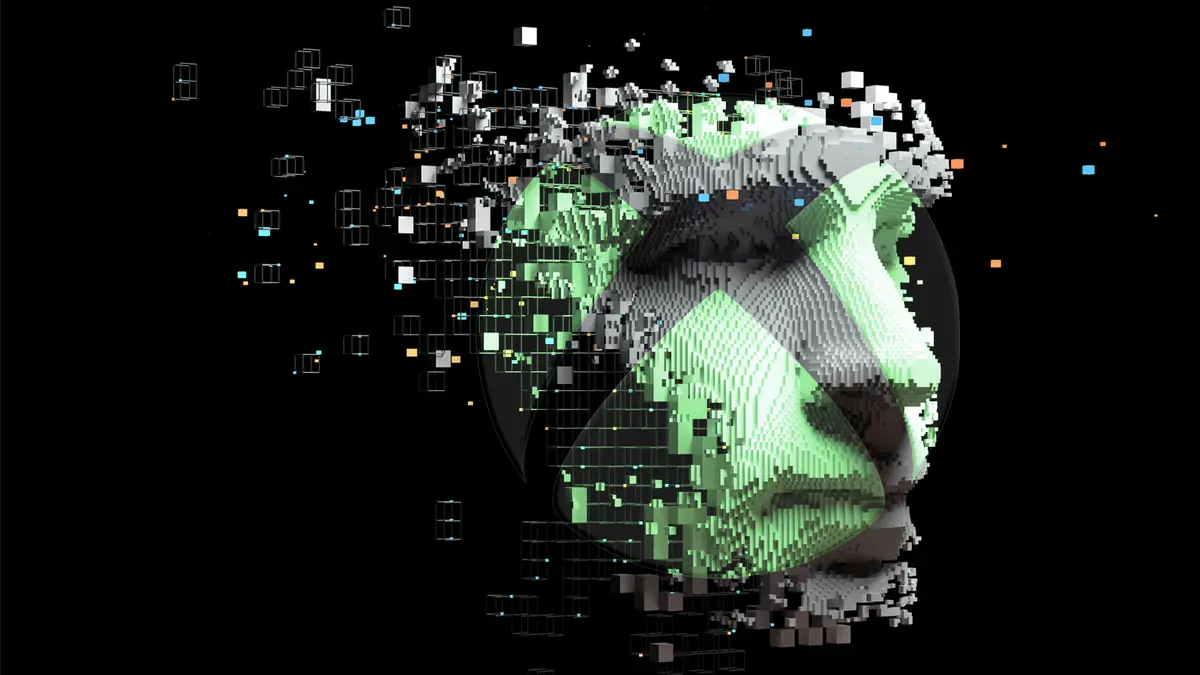
Microsoft’s generative AI model, Muse, is making waves, but not in the way some might expect. While it excels at creating images from text prompts, it’s not designed to build entire games. Experts emphasize Muse’s focus on image generation and its current limitations in the complex world of game development and preservation.
Muse functions as a powerful creative tool. Users input text descriptions, and the AI generates corresponding images. This capability has applications in various fields, from art and design to marketing and advertising. It allows for quick visualization of concepts and can serve as a starting point for more detailed artwork. Microsoft has positioned Muse as a tool for creative professionals and hobbyists alike.
However, the leap from generating images to creating fully functional games is significant. Game development involves much more than visual assets. It requires intricate programming, world-building, gameplay mechanics, sound design, and narrative development. Muse, in its current form, does not address these aspects. It does not create executable game files or handle the complex logic required for interactive gameplay.
“Muse is a powerful image generation tool,” says Dr. Anya Sharma, a computer science professor specializing in AI and game development. “But it’s not a game engine. It can’t compile code, design levels, or implement game physics. Those are entirely separate processes.”
The misconception that Muse could somehow solve game preservation issues also arises. Game preservation is a complex challenge. It involves not only storing game data but also ensuring that it remains playable on future hardware and software. This often requires reverse engineering old systems, emulating obsolete hardware, and addressing copyright issues.
Muse’s image generation capabilities do not directly address these core preservation challenges. While it might be used to recreate lost artwork or textures from old games, it doesn’t solve the fundamental problems of code preservation, hardware emulation, or legal access.
“Game preservation is about more than just visuals,” explains David Evans, a video game historian. “It’s about preserving the entire experience, including the code, the hardware, and the cultural context. AI image generation is a useful tool, but it’s only one piece of the puzzle.”
Experts also highlight the potential for misuse of generative AI tools like Muse. The ease with which these models can create images raises concerns about copyright infringement, the spread of misinformation, and the potential for creating deepfakes. These are issues that the industry is actively grappling with.
Microsoft acknowledges Muse’s current limitations. The company describes it as a tool for image generation, not game development. While future iterations of the technology might incorporate more advanced features, the current focus is on refining its image generation capabilities.
The development of AI in the creative field is rapid. New tools and techniques emerge constantly. While Muse does not create games, its existence points towards a future where AI plays a larger role in game development. This could involve AI-assisted level design, procedural content generation, or even AI-driven character behavior.
For now, Muse remains a tool focused on image generation. It can be a valuable asset for artists, designers, and anyone seeking to visualize their ideas. However, it’s essential to understand its current capabilities and limitations. It’s not a game engine, nor is it a solution to game preservation. It’s a tool for creating images. The future of AI in game development is promising, but it’s a future that is still being written.