

Google has begun quietly testing advertisements within third-party AI chatbot conversations, marking a significant shift in its digital advertising strategy. This move aims to maintain Google’s dominance in the search and advertising markets amid the growing popularity of AI-driven search tools.
Ads in AI Chatbots: A New Frontier
Earlier this year, Google started integrating ads into conversations with AI chatbots developed by startups like iAsk and Liner. These ads are delivered through Google’s AdSense for Search network, traditionally used to display ads on search results pages of partner websites. Now, this network is being extended to include AI chatbot interactions, allowing ads to appear within the flow of a conversation based on user queries.
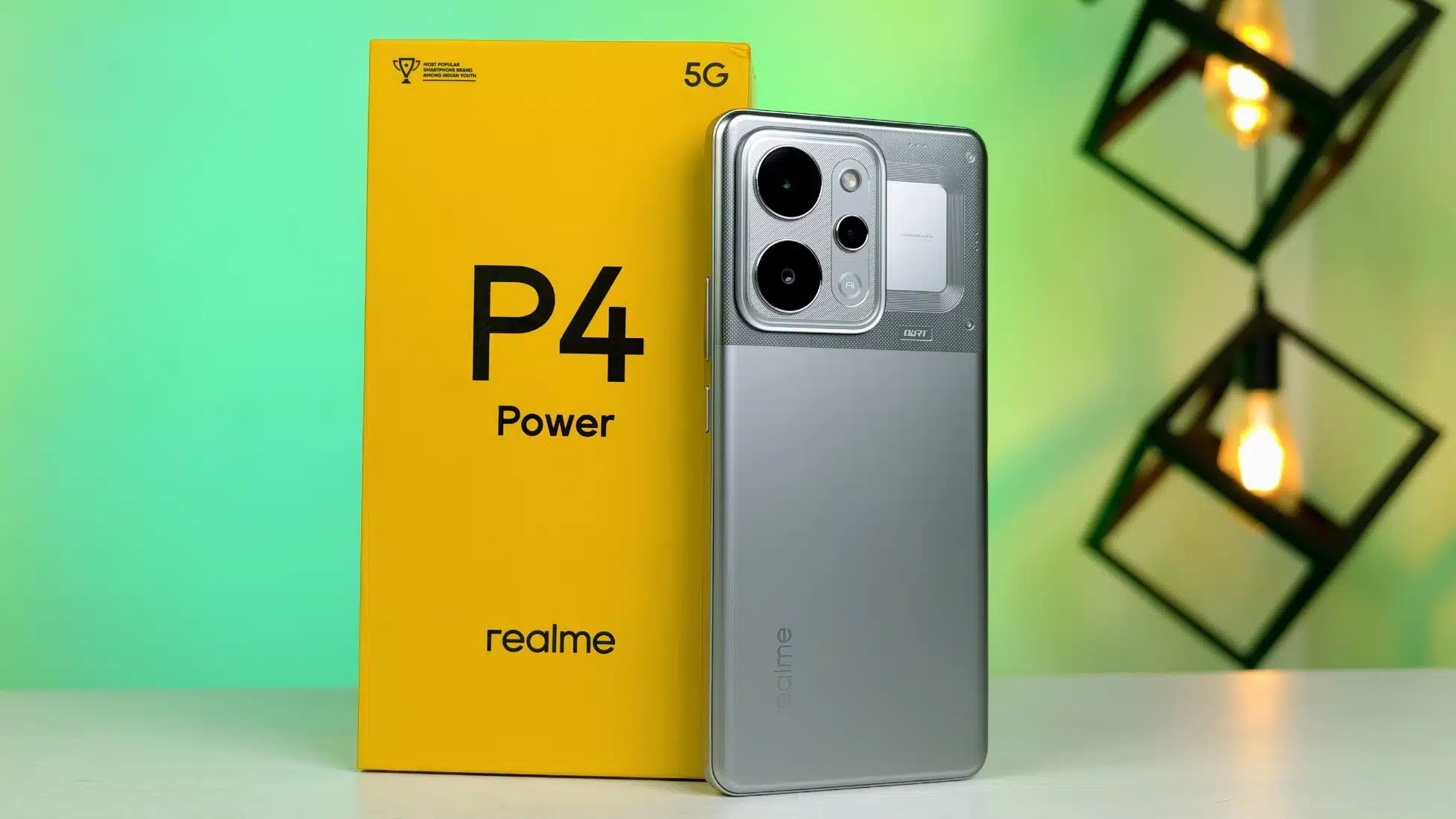
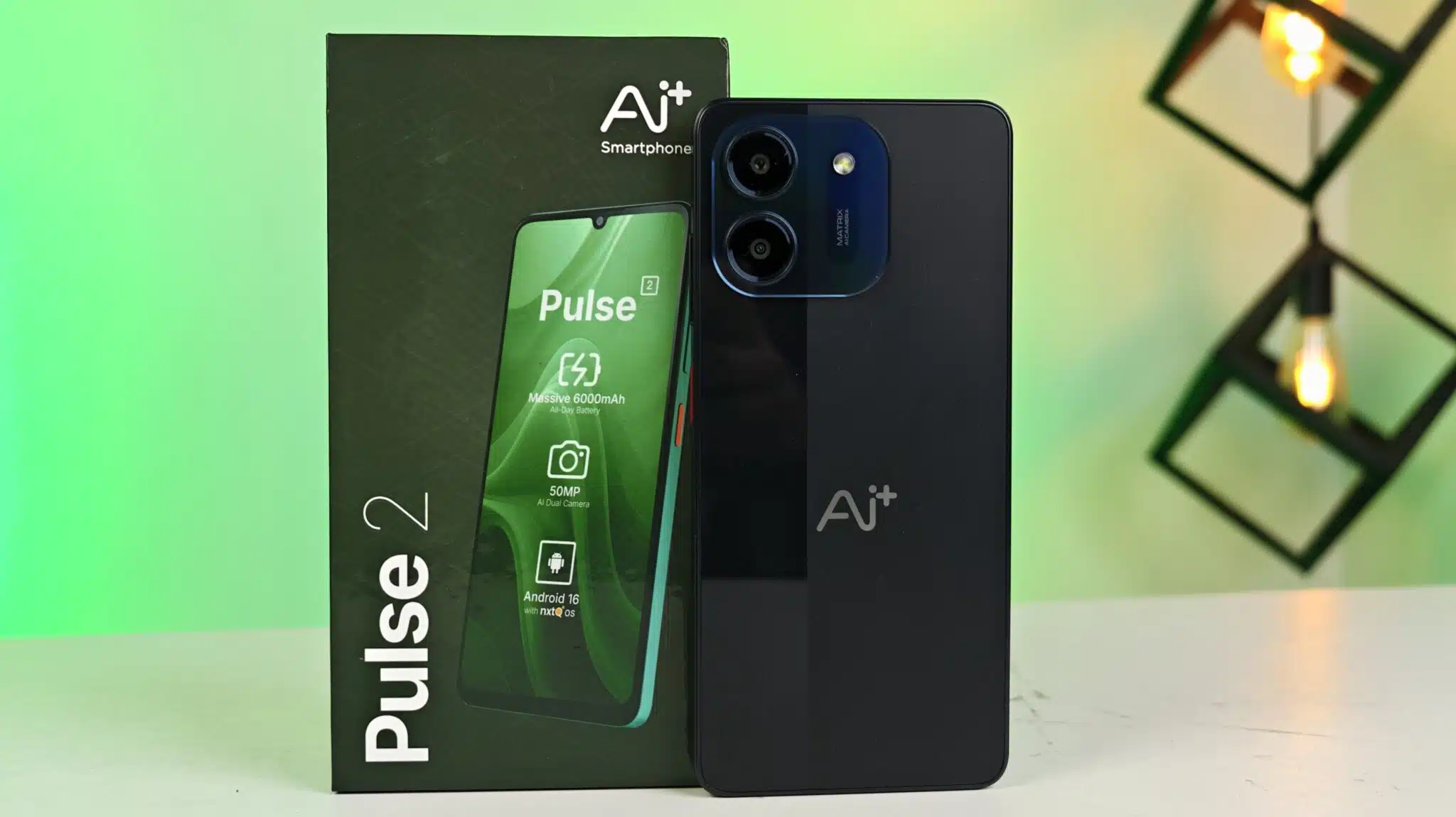
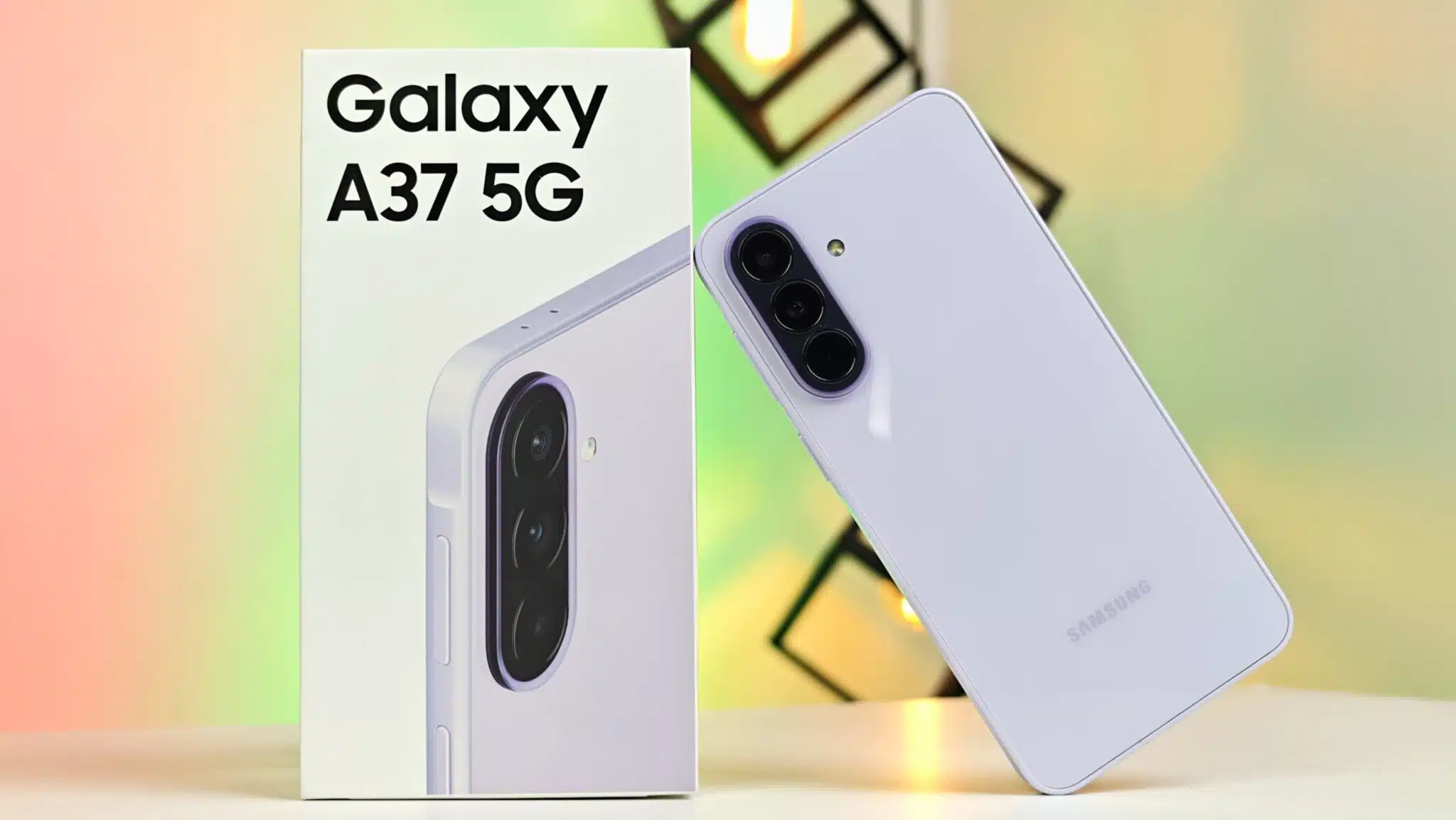
For instance, if a user asks an AI chatbot about the best smartphones under a certain budget, the chatbot might respond with a list of options, accompanied by sponsored ads for specific smartphone models or retailers. These ads are designed to be contextually relevant, enhancing the user’s experience while providing advertisers with new avenues to reach potential customers.
Google’s Strategic Response to AI Search Tools
The integration of ads into AI chatbot conversations is part of Google’s broader strategy to counter the rising competition from AI-powered search tools like ChatGPT, Claude, and Perplexity. As users increasingly turn to these tools for information, traditional search engines face the risk of reduced traffic and ad revenue. By embedding ads within AI chatbot interactions, Google aims to capture advertising opportunities in this emerging space.
This approach also allows Google to leverage its existing advertising infrastructure to monetize AI-driven platforms, ensuring that it remains a key player in the evolving digital landscape.
Implications for Users and Advertisers
For users, the presence of ads within AI chatbot conversations introduces a new dynamic to their interactions. While the ads are intended to be helpful and relevant, there is a concern that they might disrupt the conversational flow or influence the chatbot’s responses. Maintaining transparency and ensuring that ads are clearly labeled will be crucial to preserving user trust.
Advertisers, on the other hand, gain access to a novel platform for reaching audiences. The conversational context allows for more personalized and timely ad placements, potentially increasing engagement and conversion rates. However, advertisers will need to adapt their strategies to fit the unique format of AI chatbot interactions.
As AI chatbots become more integrated into users’ daily routines, the way information is consumed, and advertisements are delivered is set to change significantly. Google’s move to test ads within these conversations reflects its commitment to staying ahead in the digital advertising arena.
The success of this initiative will depend on balancing the benefits of personalized advertising with the need to maintain a seamless and trustworthy user experience. As the testing phase progresses, feedback from users and advertisers alike will be instrumental in shaping the future of ads in AI chatbot interactions.