

The pressure is mounting on Apple to deliver an iPhone that truly captivates consumers. In a smartphone market brimming with strong contenders and a growing sense of saturation, the Cupertino giant faces a critical juncture. While recent sales figures show promising growth in some key regions, the demand for truly innovative features—especially in the rapidly evolving realm of artificial intelligence—has never been higher. Apple must navigate these shifting tides to maintain its dominance and avoid falling behind its rivals.
Key Takeaways:
- Intense Competition: Rivals like Samsung and Google are pushing boundaries with advanced cameras, foldable designs, and cutting-edge AI.
- Market Saturation: Growth in mature markets is slowing, pushing Apple to find new avenues for expansion, particularly in emerging economies.
- AI Expectations: Consumers anticipate meaningful AI integration, a field where Apple is perceived to be playing catch-up.
- Supply Chain Challenges: Geopolitical tensions and tariff threats are pushing Apple to diversify manufacturing beyond China.
- Service Revenue Growth: Apple’s services division is a significant bright spot, providing a stable revenue stream amidst hardware uncertainties.
- iPhone 16 Series Performance: The iPhone 16 lineup, particularly the iPhone 16e, has seen positive sales, offering a critical cushion.
The Shifting Sands of the Smartphone Market
The global smartphone market is experiencing a period of transformation. After years of consistent growth, signs of saturation are becoming more apparent in developed markets. Consumers are holding onto their devices longer, and upgrades are increasingly driven by significant technological leaps rather than incremental improvements. This reality puts Apple, a company synonymous with premium smartphone experiences, in a challenging position.
Apple’s iPhone remains a formidable force, consistently leading the high-end segment. In the first quarter of 2025, the iPhone 16 emerged as the best-selling smartphone globally, marking the return of a base model iPhone to the top spot after two years. This indicates a solid underlying demand for Apple’s core product, even as the market evolves. Recent preliminary data from Counterpoint Research’s Market Pulse Global Monthly Smartphone Sales Report showed iPhone sales growing 15% year-over-year in April and May 2025, reaching Apple’s highest market share for these two months combined since the pandemic. This positive trend was fueled by strong performance in the USA and China, both of which saw a return to positive year-over-year growth after three years of declines in this less seasonal period. Notably, Apple captured the top spot in the Chinese smartphone market in May 2025, a significant turnaround.
However, the broader market landscape reveals a modest global smartphone market growth of just 0.2% in Q1 2025, according to Canalys. While the US smartphone market grew 12% year-on-year in Q1, primarily driven by Apple, other regions like India, Latin America, and the Middle East are experiencing declines, signaling saturation in demand for mass-market products. Europe’s smartphone market also dropped 2% in Q1 2025. This mixed bag of regional performance highlights the complex environment Apple navigates.
The AI Race: A New Frontier for Smartphones
One of the most pressing challenges for Apple centers on artificial intelligence. While Apple has gradually integrated AI capabilities into its ecosystem, competitors like Google and Samsung have aggressively marketed their AI-first strategies. Google’s Tensor G4 chip, found in devices like the Pixel 9 Pro Fold, and Samsung’s AI-powered software in the Galaxy S25 Ultra, are examples of how rivals are leveraging AI as a core differentiator.
Apple’s approach to AI has been characterized by a cautious, privacy-first stance. While this resonates with many users, it has also led to perceptions that the company is lagging behind. Delayed AI features, including key improvements to its digital assistant, Siri, have fueled this narrative. Reports suggest some promised AI features have been pushed to 2026. This delay is particularly noticeable in markets like China, where Apple has been losing market share to domestic rivals such as Huawei, who are rapidly advancing their AI offerings.
During WWDC 2025, Apple introduced “Liquid Glass,” a new translucent, glass-like UI for iOS 26, reacting to user interactions. Enhancements to the Camera and Messages apps, including real-time text translation and AI-powered message screening, also signal Apple’s commitment to improving user experience through software. However, the true test lies in whether these AI features will be perceived as genuinely transformative and capable of competing with the multimodal AI models being developed by competitors that can understand imagery, audio, and language simultaneously.
Competition Heats Up: More Than Just Specs
The competitive landscape for Apple extends beyond raw specifications. While the iPhone 16 Pro Max remains a top-tier device, other smartphones offer compelling alternatives.
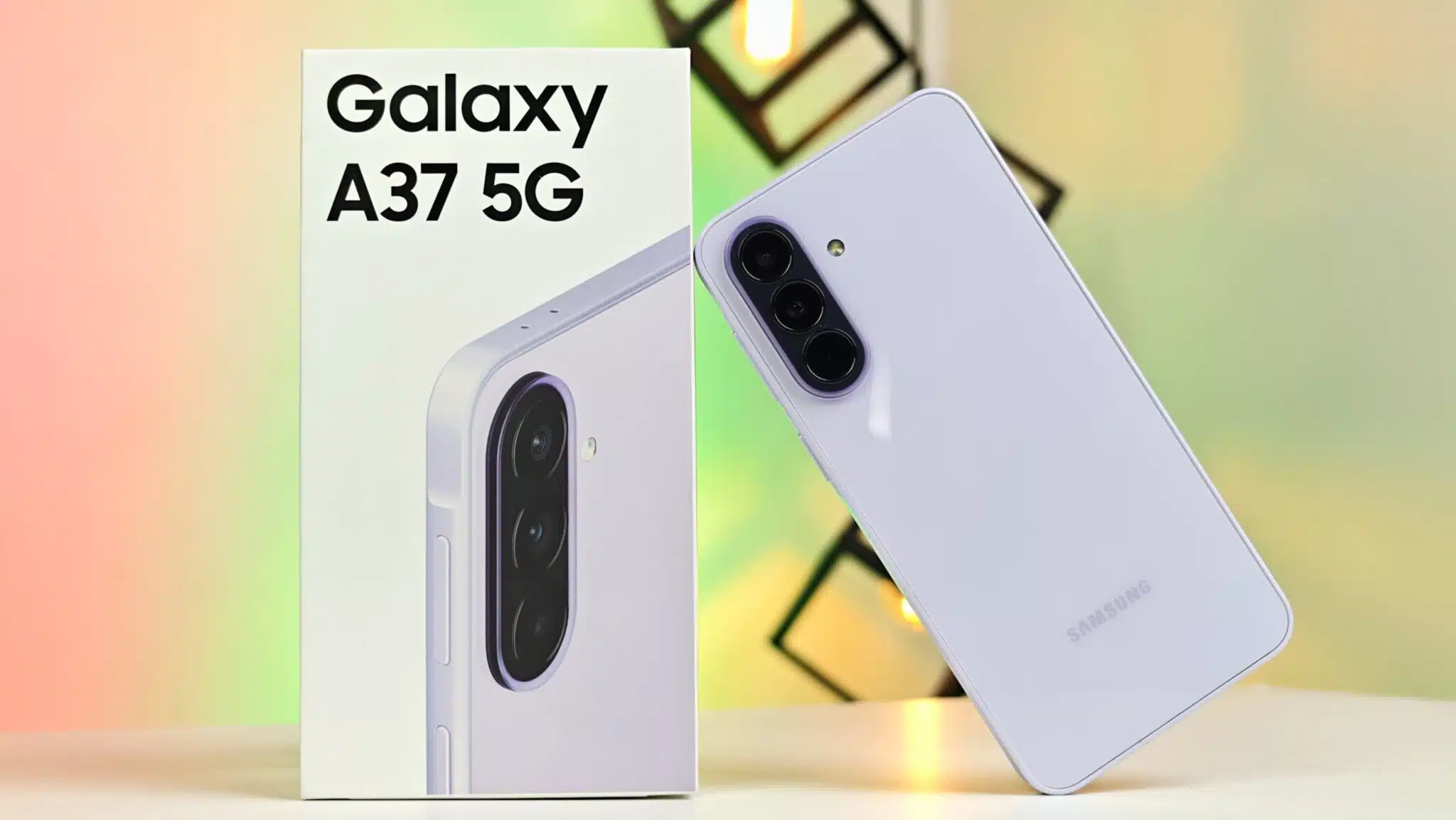
- Samsung Galaxy S25 Ultra: This direct competitor boasts a 200MP camera system, an S-Pen, and Samsung’s AI software, offering superior camera capabilities and faster charging in some aspects.
- Google Pixel 9 Pro Fold: Combining AI with foldable technology, this device features Google’s Tensor G4 chip and advanced AI photography, providing a versatile experience.
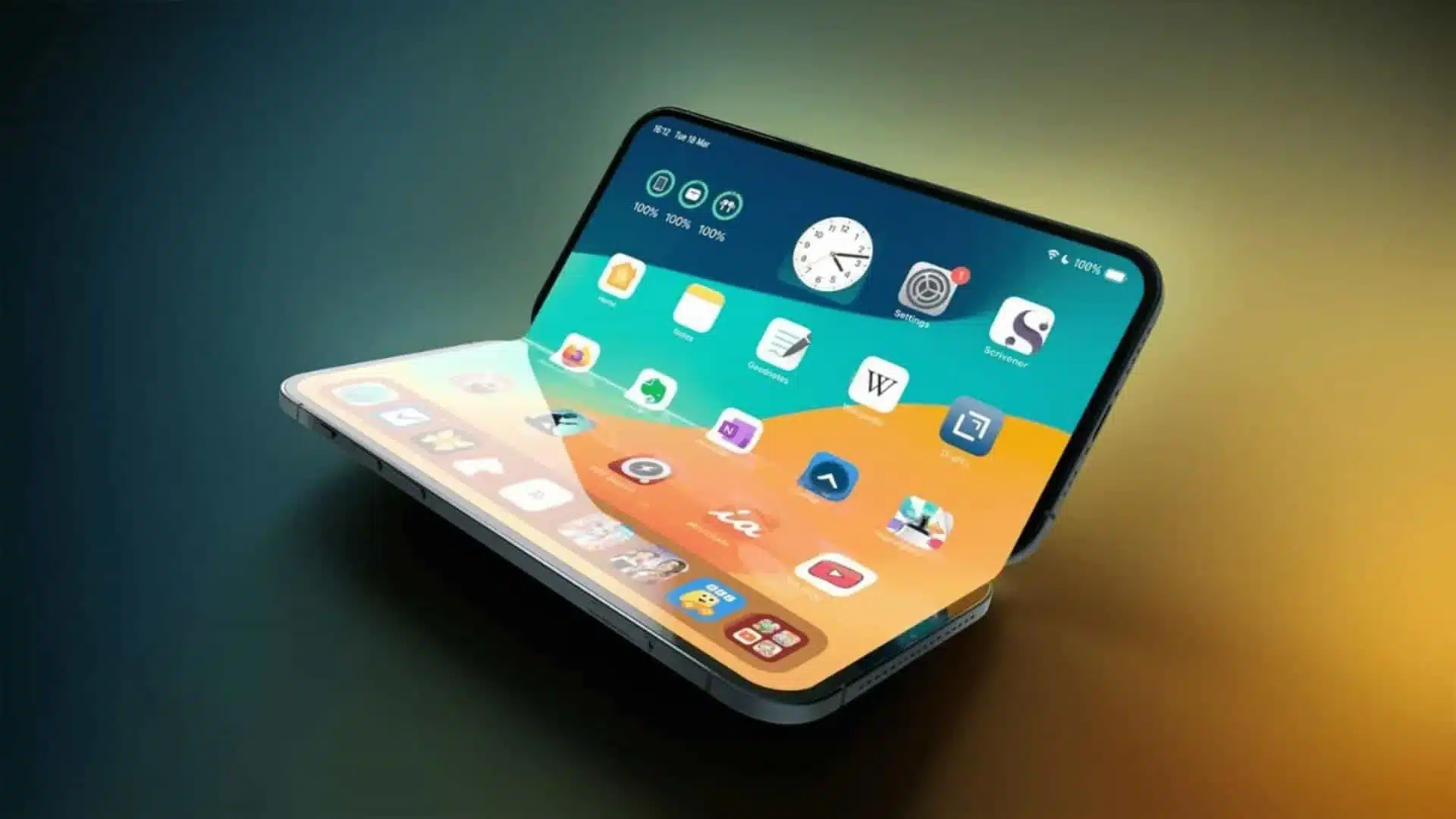
- Samsung Galaxy Z Fold6 and Vivo X Fold3 Pro: These foldable phones offer larger screens and enhanced multitasking, a form factor Apple has yet to fully embrace.
These devices demonstrate a market where innovation isn’t confined to traditional smartphone designs. Foldables are gaining traction, and the focus is shifting towards integrated experiences powered by advanced processors and intelligent software.
Diversifying the Supply Chain Amidst Geopolitical Tensions
Geopolitical factors are also playing a significant role in Apple’s operational strategy. The ongoing US-China trade tensions and the threat of tariffs on Chinese imports have pushed Apple to diversify its manufacturing base. Tim Cook, Apple’s CEO, has stated that the majority of US-bound iPhones will be manufactured in India. This strategic shift aims to build supply chain resilience and mitigate potential cost increases and disruptions from tariffs. Production in India has reportedly ramped up towards the end of Q1 2025, covering standard models of the iPhone 15 and 16 series, alongside accelerating production of the 16 Pro series. Vietnam is also becoming a key manufacturing hub for other Apple products like iPads, Macs, Apple Watches, and AirPods.
This diversification requires substantial capital investment but offers crucial protection against supply chain vulnerabilities. While Apple has successfully optimized its supply chain to limit the impact of tariffs, the uncertainty remains a persistent concern.
The Services Division: A Pillar of Strength
Amidst the challenges in hardware, Apple’s services division continues to be a standout performer. This segment includes offerings like Apple Music, iCloud, Apple TV+, the App Store, and Apple Pay. In fiscal Q1 2025, Apple reported $124.30 billion in revenue, with iPhone revenue at $69.14 billion. For fiscal Q2 2025, total revenue reached $95.4 billion, up 5% year-over-year. While iPhone sales (US$46.8 billion) aligned with the lower range of analyst estimates in Q2, services revenue reached an all-time high of $26.6 billion, up 11.6% year-over-year.
This consistent growth in services provides a stable and increasing revenue stream, offering crucial diversification beyond hardware sales. The services segment now represents a significant portion of Apple’s total revenue, reflecting a successful business model shift towards recurring revenue. With over 1 billion paid subscriptions across all its platform services, Apple has established a strong foundation that can cushion the impact of potential fluctuations in iPhone sales.
Looking ahead, rumors surrounding the iPhone 17 lineup suggest Apple is indeed preparing for significant changes. The possibility of replacing the “Plus” model with a thinner “Air” version, alongside potential “Ultra” branding for the Pro Max, points to a refreshed product strategy. Anticipated features for the iPhone 17 family reportedly include 24MP front cameras across all models, 120Hz ProMotion displays for all, and the introduction of a new A19 chip (A19 Pro for Pro models). Software enhancements like a “Liquid Glass” UI, a Games hub, and new battery tools are expected to debut with iOS 26.
Beyond the hardware and software, the challenge for Apple lies in creating a compelling narrative that inspires upgrades. In a market where smartphones are already highly capable, the emphasis shifts to experiences that feel truly novel and indispensable. The success of the next iPhone will not solely depend on impressive specifications but on how seamlessly it integrates into users’ lives, how intelligently it anticipates their needs, and how effectively it differentiates itself in a crowded and competitive space. Apple’s ability to weave together cutting-edge hardware, intuitive software, and genuinely useful AI will determine whether it can deliver the next undisputed hit iPhone.
Frequently Asked Questions
Q1: What are the main challenges Apple faces with the iPhone?
A1: Apple faces intensified competition from Android rivals, market saturation in developed regions, the need for groundbreaking AI integration, and the complexities of global supply chain management amidst trade tensions.
Q2: How is Apple addressing the competition in the smartphone market?
A2: Apple aims to differentiate through its ecosystem, focus on premium experiences, introduce new hardware designs (like the rumored iPhone 17 Air), and enhance its software with more advanced AI capabilities.
Q3: What role does AI play in Apple’s future iPhone strategy?
A3: AI is becoming critical. Apple is working on deeper AI integration within iOS, including improvements to Siri and new generative AI features, to enhance user experience and compete with AI-centric offerings from rivals.
Q4: How are tariffs and geopolitical tensions affecting Apple’s iPhone production?
A4: To mitigate the impact of potential tariffs and reduce reliance on a single manufacturing hub, Apple is diversifying its supply chain by increasing iPhone production in countries like India and Vietnam.
Q5: Is Apple’s revenue solely dependent on iPhone sales?
A5: No. While the iPhone remains a primary revenue driver, Apple’s services division (App Store, Apple Music, iCloud, etc.) is a significant and growing revenue source, providing stability and diversification to the company’s financial performance.
Q6: What are some rumored features for upcoming iPhone models?
A6: Rumors for future iPhones, potentially the iPhone 17 series, include a thinner “Air” model, a 24MP front camera across all devices, 120Hz ProMotion displays for all models, new processors, and significant AI enhancements within iOS.