

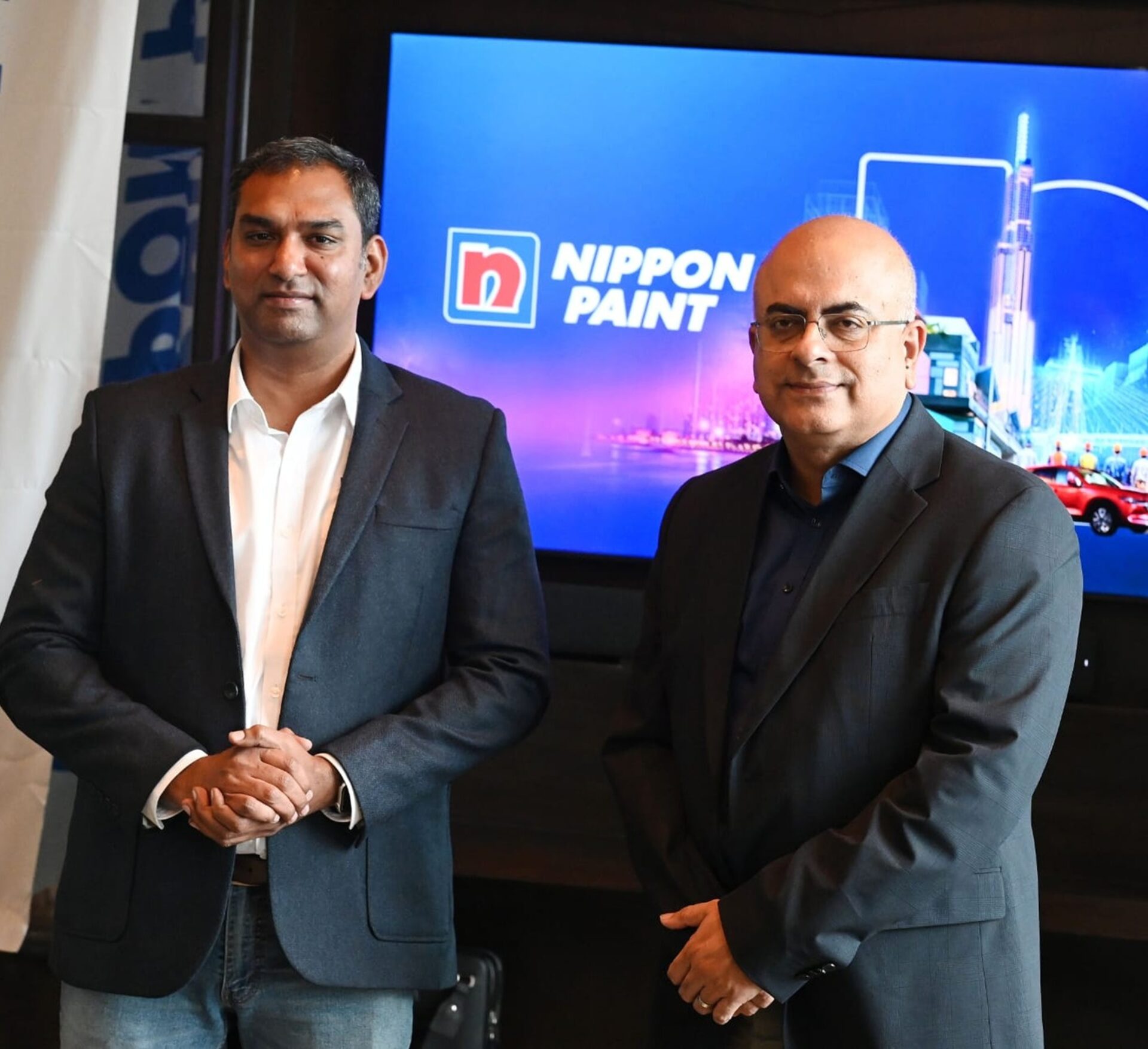
Nippon Paint India has entered what feels like a genuinely significant phase in its India journey with the appointment of Sharad Malhotra as Managing Director. This is not just another leadership change. Malhotra is the first Indian to take on this role since the company began operations in the country, and that alone makes the transition notable. More importantly, it reflects a deliberate shift in how the company wants to operate, grow, and position itself in the Indian paints and coatings market.
Nippon Paint India, a subsidiary of Japan based Nippon Paint Holdings through the NIPSEA Group, has traditionally had a strong footprint in southern India. Now, under Malhotra’s leadership, the focus is clearly broader. The company is aligning its operations under a single, unified strategy aimed at expanding manufacturing capacity, strengthening distribution, and building a more visible national presence across urban as well as semi urban markets.
Key Takeaways
- Historical Leadership: Sharad Malhotra becomes the first Indian Managing Director of Nippon Paint India, marking a structural and symbolic shift in leadership.
- Unified Operations: All paint and coatings businesses will now function under a single integrated operating model.
- Expansion Plans: The company plans to move beyond its traditional southern strongholds into pan India markets, including Tier 2 and Tier 3 cities.
- Manufacturing Focus: With seven operational plants, local manufacturing supported by Japanese quality standards remains a priority.
- Balanced Growth: Decorative, industrial, automotive, and wood coatings will all continue to receive equal strategic focus.
A Local Leadership Approach for a Global Brand
Sharad Malhotra’s appointment feels rooted in long term familiarity rather than a sudden leadership change. He has spent more than 15 years with Nippon Paint India, playing a central role in building the automotive refinish and wood coatings businesses almost from scratch. That history matters, I think, because it suggests continuity rather than disruption.
Alongside his new responsibilities as Managing Director for India, Malhotra will continue to oversee the company’s global automotive aftermarket business. This dual role reflects the trust placed in him by the parent group and also ensures that India remains closely connected to Nippon Paint’s global strategy, without losing local decision making flexibility.
One of the immediate changes under the new leadership is the move away from fragmented operations. Earlier, different business units operated with a degree of independence. Now, by integrating these units, Nippon Paint aims to use its manufacturing assets more efficiently and respond faster to market demand. In practical terms, this could mean better supply availability, quicker launches, and a smoother distribution experience for dealers and customers across states.
Decorative Business Gets Renewed Attention
Alongside Malhotra’s appointment, Mark Titus has taken on an expanded role as President of the Decorative Business. Titus brings experience from both FMCG and the paints sector, which seems particularly relevant at a time when consumer expectations are changing rapidly.
The decorative paints segment continues to be one of the largest and most competitive parts of the Indian coatings market. Demand is being driven not just by new housing, but also by renovation, repainting cycles, and increased spending on home aesthetics. Nippon Paint’s strategy here focuses on premium offerings, deeper dealer relationships, and stronger engagement with painters, who remain critical influencers at the point of purchase.
There is an understanding, perhaps unspoken but clear, that brand recall and on ground presence will matter just as much as product quality in this segment.
Strengthening the India Platform
Nippon Paint India currently operates seven manufacturing plants across the country. These facilities are located in key industrial regions, including Sriperumbudur in Tamil Nadu, with others spread across states such as Andhra Pradesh and Gujarat. This network allows the company to manufacture locally while incorporating technical expertise and quality benchmarks from its Japanese parent.
Beyond organic growth, the company is also exploring inorganic opportunities. This means potential acquisitions that can help expand its product portfolio or strengthen its position in specific segments. This approach aligns with Nippon Paint Holdings’ global “Asset Assembler” model, which focuses on acquiring stable, high quality businesses while allowing local management teams the autonomy to run them effectively.
The Indian paints market itself is expected to see steady growth over the coming years. Some industry estimates suggest the market could exceed $16 billion by 2030. Nippon Paint’s strategy appears to be about patience and consistency, building brand visibility, expanding reach in smaller cities, and investing in categories that offer sustainable margins rather than short term volume alone.
Frequently Asked Questions
Q1: Who is the new Managing Director of Nippon Paint India?
A1: Sharad Malhotra has been appointed as Managing Director. He is the first Indian to hold this position in the company’s history and has been associated with Nippon Paint India for over 15 years.
Q2: Where are Nippon Paint’s factories located in India?
A2: Nippon Paint operates seven manufacturing plants across India. Its primary decorative paint facility is located in Sriperumbudur, Tamil Nadu, with other plants supporting industrial, automotive, and wood coatings in multiple states.
Q3: What is the “Asset Assembler” model?
A3: The Asset Assembler model is a strategy used by Nippon Paint Holdings that focuses on sustainable growth by strengthening existing businesses and selectively acquiring new ones. It emphasizes local decision making while maintaining global governance standards.
Q4: Will Nippon Paint focus only on decorative paints?
A4: No. While decorative paints are an important growth area, Nippon Paint India will continue to maintain a balanced portfolio across automotive OEM, industrial coatings, wood coatings, and automotive refinishing segments.