

Apple appears to be setting itself up for a turning point in 2026, and this time the company’s slow, deliberate approach to artificial intelligence might actually work in its favor. While much of the tech industry rushed headfirst into AI, spending enormous sums on data centers, chips, and large scale infrastructure, Apple largely stayed on the sidelines. Now, as questions begin to surface about whether those massive investments will truly pay off, Apple’s restraint is starting to look less like hesitation and more like careful planning.
Competitors such as Microsoft, Google, and Meta have poured hundreds of billions of dollars into AI development over the past few years. Apple, by contrast, kept its spending relatively modest. That choice has helped the company maintain a cash reserve of more than $130 billion. In practical terms, that cash acts as a safety buffer if the current AI boom cools off or if valuations across the sector begin to fall. It also gives Apple flexibility that many rivals may not have.
Key Takeaways
- Siri Overhaul: A fully redesigned Siri is expected to launch in spring 2026 alongside iOS 26.4.
- Google Partnership: Apple is reportedly using a custom 1.2 trillion parameter version of Google Gemini to handle more complex Siri requests.
- Leadership Shift: Mike Rockwell has taken over Siri development following the retirement of longtime AI chief John Giannandrea.
- Financial Advantage: Apple’s $130 billion cash reserve could allow it to acquire smaller AI startups if market prices decline.
- Privacy Focus: Siri’s AI processing will run through Apple’s Private Cloud Compute to protect user data, even while using Google technology.
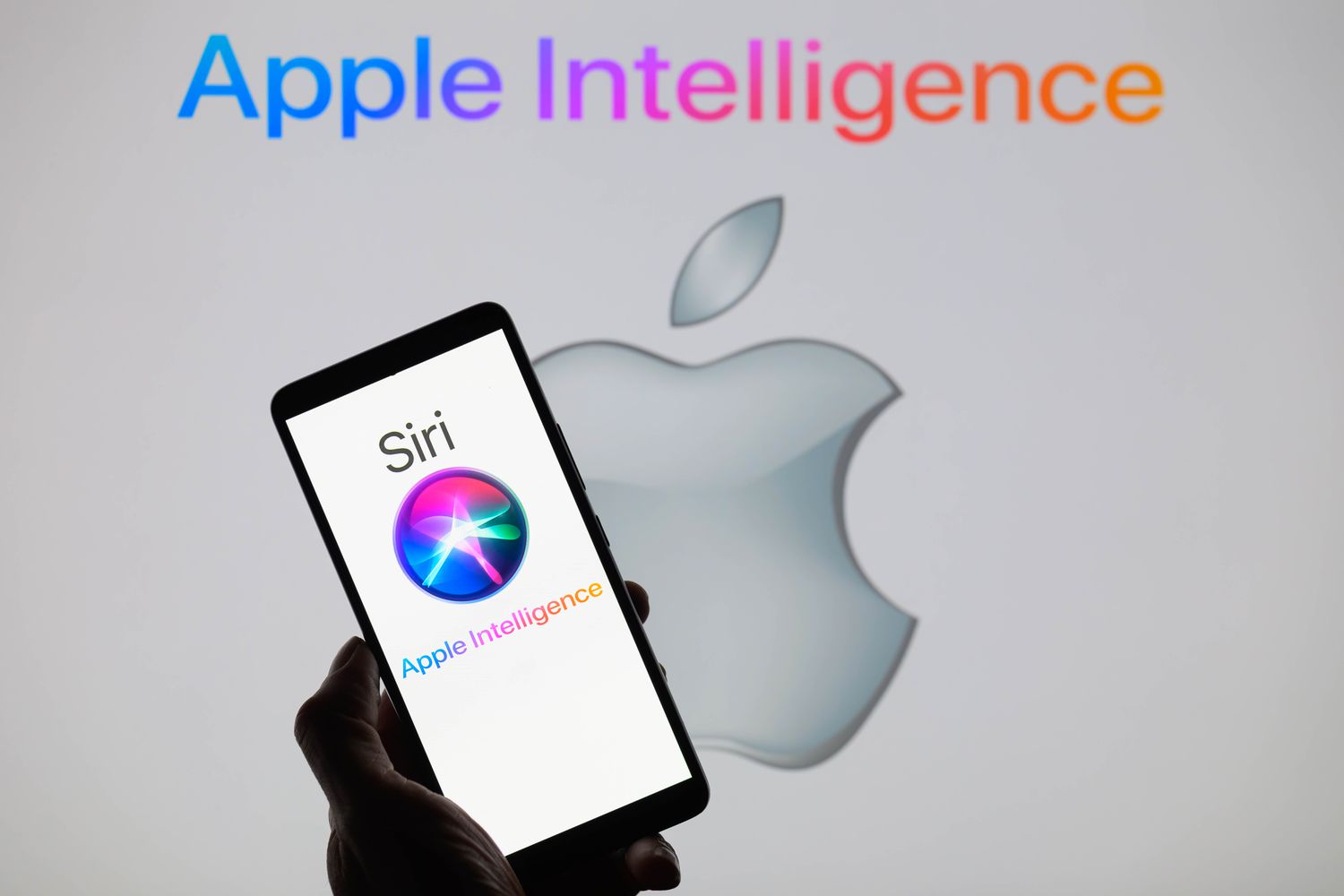
At the center of Apple’s AI push is Siri, an area where the company has taken plenty of criticism over the years. Compared to newer tools like ChatGPT, Siri has often felt limited, sometimes frustratingly so. Apple’s planned 2026 update aims to close that gap. The new Siri is expected to be far more conversational and capable of handling multi step tasks that flow naturally from a single request. That is a big shift from the current experience, which often requires users to break things down into simple, separate commands.
To move faster, Apple is no longer insisting on building every piece of the system internally. Instead, the company is expected to pay Google around $1 billion per year to use its Gemini models. These models will handle demanding tasks such as summarizing information or planning actions across apps. Apple, meanwhile, can focus on polishing the interface and ensuring everything feels seamless. It is a pragmatic choice, even if it feels slightly out of character for a company known for tight control.
Behind the scenes, Apple has also been reshaping how its AI teams operate. John Giannandrea, who had led Apple’s AI efforts since 2018, retired in December 2025. His departure marked a shift away from a centralized AI research structure. Teams are now being embedded directly into product groups, which suggests Apple wants ideas to move into real features more quickly. Mike Rockwell, best known for leading the Vision Pro project to launch, has taken over Siri. Many inside the industry see this as an attempt to fix the long standing execution issues that slowed Siri’s progress.
The iPhone remains Apple’s biggest advantage in the AI race, and perhaps an underestimated one. Other AI companies often struggle to get users onto new hardware or convince people to download yet another app. Apple does not have that problem. With a single software update, it can push new AI features to hundreds of millions of devices. That kind of system level reach is difficult, if not impossible, for outside competitors to match.
Some industry observers believe Apple’s wait and see approach could end up being the smartest move of all. As investors begin to question whether today’s massive AI spending will generate enough long term profit, Apple’s lower exposure looks increasingly sensible. If the market shifts into a phase of lower valuations and reduced enthusiasm, Apple’s cash reserves put it in a strong position to buy proven technology at a discount rather than paying top dollar upfront.
Frequently Asked Questions
Q1: When will the new Siri be available for users?
A1: The major Siri update is expected to arrive in spring 2026, most likely as part of the iOS 26.4 software update.
Q2: Is Apple replacing its own AI with Google Gemini?
A2: Not entirely. Apple plans to use a custom version of Google Gemini for complex tasks such as summarization and planning. At the same time, Apple will continue to rely on its own models for on device processing and handling personal data.
Q3: Will my data be shared with Google if Siri uses Gemini?
A3: No. Apple intends to run Google’s models on its own Private Cloud Compute servers. This means the AI operates on Apple controlled hardware, and user data is not sent to Google.
Q4: Why did Apple change its AI leadership recently?
A4: Apple decided to move away from a centralized AI research team and instead place AI specialists directly into product groups. This change followed repeated delays in Siri development and is meant to speed up the release of new features.
Q5: What makes the 2026 version of Siri different from the current one?
A5: The updated Siri is expected to understand natural conversation far better and complete complex tasks across multiple apps without requiring separate commands for each step.