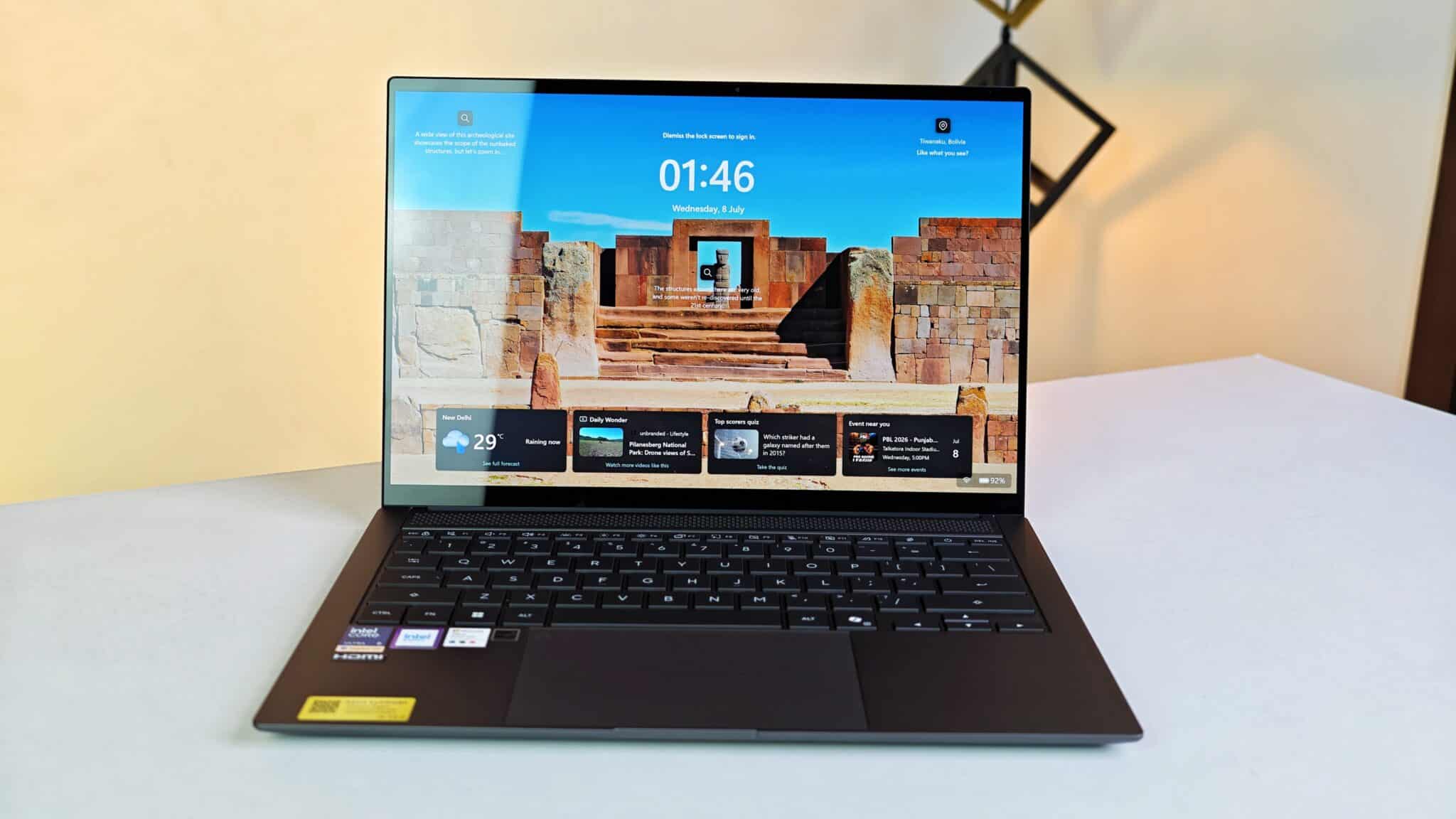


A recent job listing from Google has confirmed that the company is working on a new operating system codenamed “Aluminium” to bring what seems to be the full Android experience to personal computers. It feels like a noticeable shift in Google’s long-term strategy, perhaps even bigger than it first appears, as the company appears ready to move away from ChromeOS in favor of something built entirely on the Android technology stack. The listing, which was briefly visible before disappearing, sought a Senior Product Manager to guide development of this “Aluminium, Android-based operating system” for laptops and tablets.
There were a few clear takeaways from what was revealed, and I found myself re-reading them just to be sure I understood the direction Google is heading.
Key Takeaways
- New OS Name: The project is internally called “Aluminium OS” and aims to unify Google’s laptop and tablet software.
- Hardware Focus: Google plans to release devices across multiple price tiers, including “AL Entry” and “AL Premium.”
- AI Integration: The operating system will feature artificial intelligence at its core, likely powered by Gemini.
- Timeline: Industry reports suggest a potential public release around 2026.
- ChromeOS Future: The move signals a long-term plan to transition from ChromeOS to a unified Android desktop platform.
The Leak and the “Aluminium” Project
The existence of Aluminium OS became widely discussed after observers spotted a job vacancy on Google’s careers page. The posting specifically described the role as contributing to a new “Aluminium, Android-based, operating system” (ALOS). In a way, it confirms earlier reporting from Android Authority that Google intends to migrate ChromeOS fully over to Android rather than simply blending the two into a hybrid. That part, at least to me, makes the plan feel more decisive than speculative.
The job description highlighted responsibilities involving a roadmap that transitions Google “from ChromeOS to Aluminium with business continuity.” That phrasing suggests a thoughtful, somewhat cautious rollout, perhaps to avoid disrupting existing Chromebook users or education customers who rely heavily on ChromeOS. It also hints that Google is positioning Aluminium OS as an answer to the growing strength of both the Apple iPad and Windows laptops, areas where ChromeOS has always had certain limitations that were never entirely solved.
Hardware Tiers and Premium Devices
The leaked document also revealed that Google is not planning to limit this new platform to budget friendly machines. According to the listing, the portfolio spans “Chromebook, Chromebook Plus, AL Entry, AL Mass Premium, and AL Premium.” This range implies that the company intends to support everything from low-cost student devices to high end professional laptops. It is an interesting move, and perhaps one that acknowledges how fragmented the ChromeOS hardware ecosystem has become over time.
Recent rumors have suggested that a high end “Pixel Laptop” is in development, possibly carrying the codename “Snowy.” If accurate, this device would likely serve as the flagship for Aluminium OS. Early reports say that Google is already testing the software on development boards running MediaTek Kompanio 520 and Intel Alder Lake chips. That detail alone helps confirm that the company wants broad compatibility with both ARM and x86 processors, which feels essential for any modern desktop operating system.
Why Google is Making the Switch
The decision to build an Android based desktop OS appears to solve a long-standing challenge for Google. ChromeOS has always struggled with the app gap, even though it can run Android apps. Many of those apps never felt like they truly belonged on larger screens, and the experience could be inconsistent. By constructing the desktop OS directly on Android, developers can create one application that adjusts naturally across phones, tablets, and laptops. It seems like a practical way to bring cohesion to Google’s ecosystem.
The job listing also emphasized that Aluminium OS is “built with artificial intelligence (AI) at the core.” That line, in particular, hints that Google aims to integrate its Gemini AI models deeply into the system. If that happens, the result might exceed what any current Chromebook can offer. It fits the broader industry trend as well, with companies pushing toward so-called AI PCs that can handle more advanced processing directly on the device. It is still early, of course, but Aluminium OS could become Google’s way of joining that shift more deliberately.
Overall, even with just a single job listing as the catalyst, the picture that emerges is surprisingly clear. Google seems to be preparing for a future where Android is more than a mobile OS and eventually serves as the foundation for laptops and tablets too.
Frequently Asked Questions
Q. What is the difference between ChromeOS and Aluminium OS?
A. ChromeOS is built around the Chrome web browser with some Android app support added later. Aluminium OS is built directly on Android, making it a mobile-first operating system adapted for desktop use.
Q. Will my current Chromebook get Aluminium OS?
A. It is currently unclear which existing devices will receive the update. However, given that Google is testing the OS on current chips like Intel Alder Lake, some newer Chromebooks might be eligible for a migration.
Q. When will Google release Aluminium OS?
A. Reports indicate that Google targets a 2026 release window. This timeline aligns with the expected launch of Android 17.
Q. Is Aluminium OS the same as Fuchsia?
A. No. Fuchsia is a separate operating system built from scratch by Google for smart home devices like the Nest Hub. Aluminium OS is based on the Linux kernel and the existing Android software stack.
Q. Will this OS run Windows apps?
A. Aluminium OS is an Android platform, so it will not run Windows files (.exe) natively. However, Google may continue to offer virtualization tools for enterprise users who need access to Windows software.