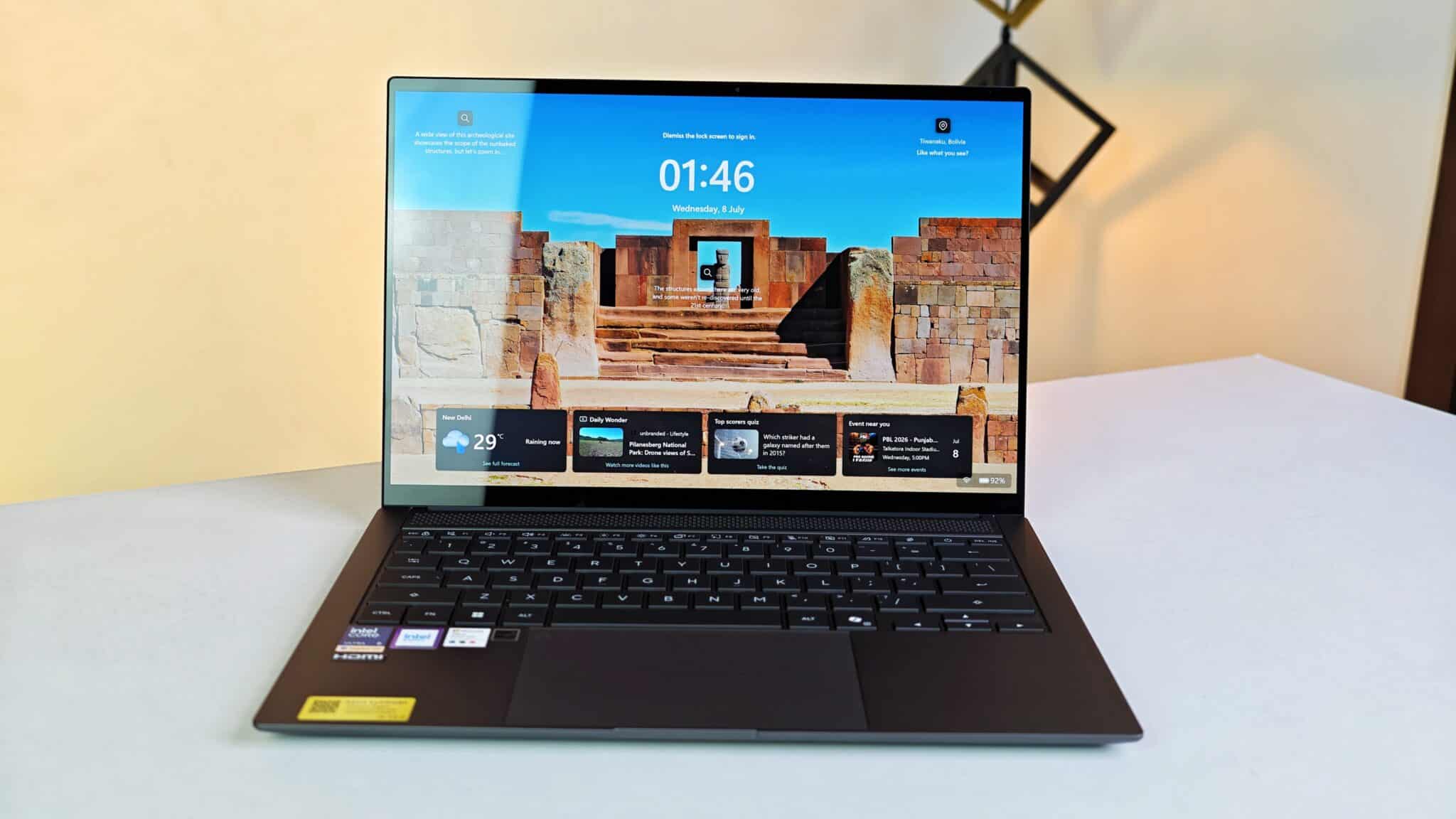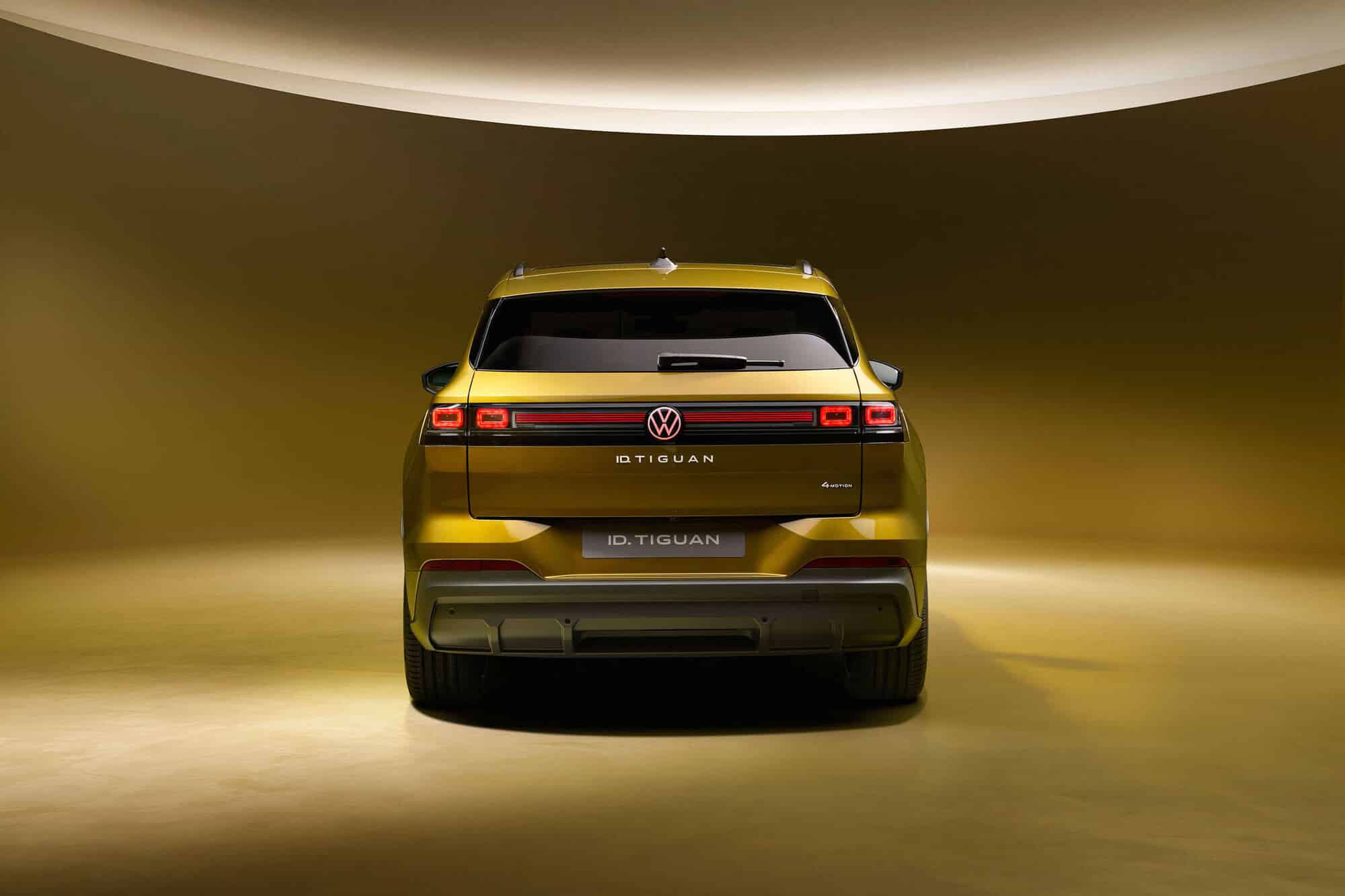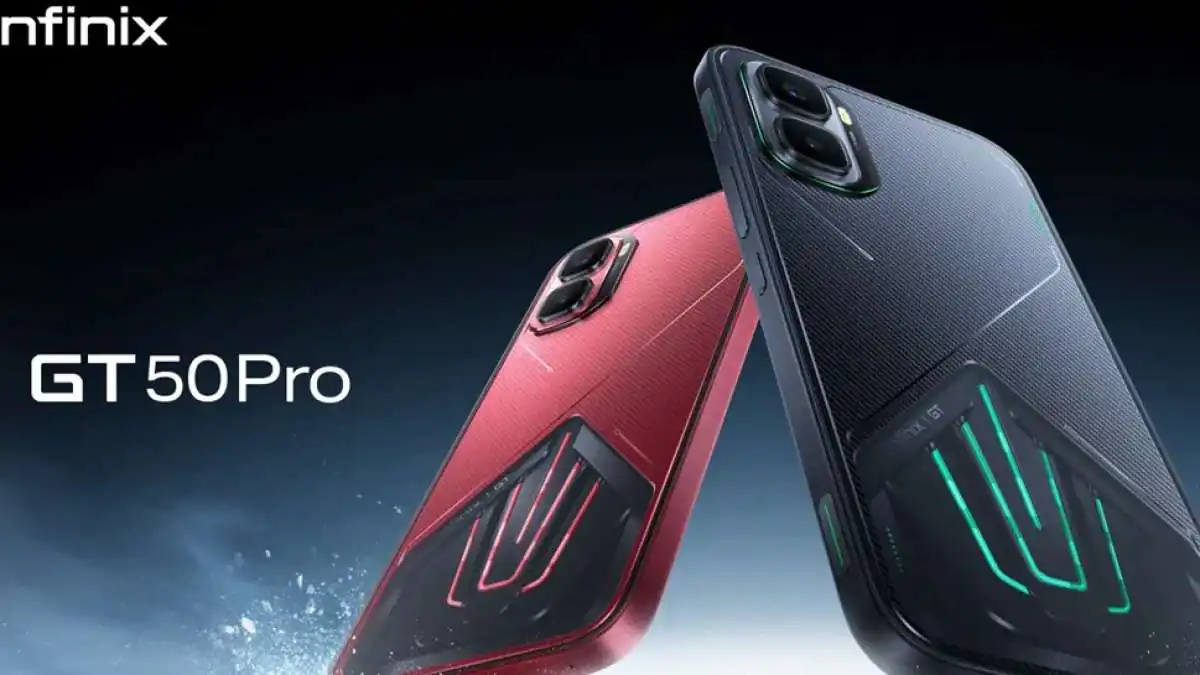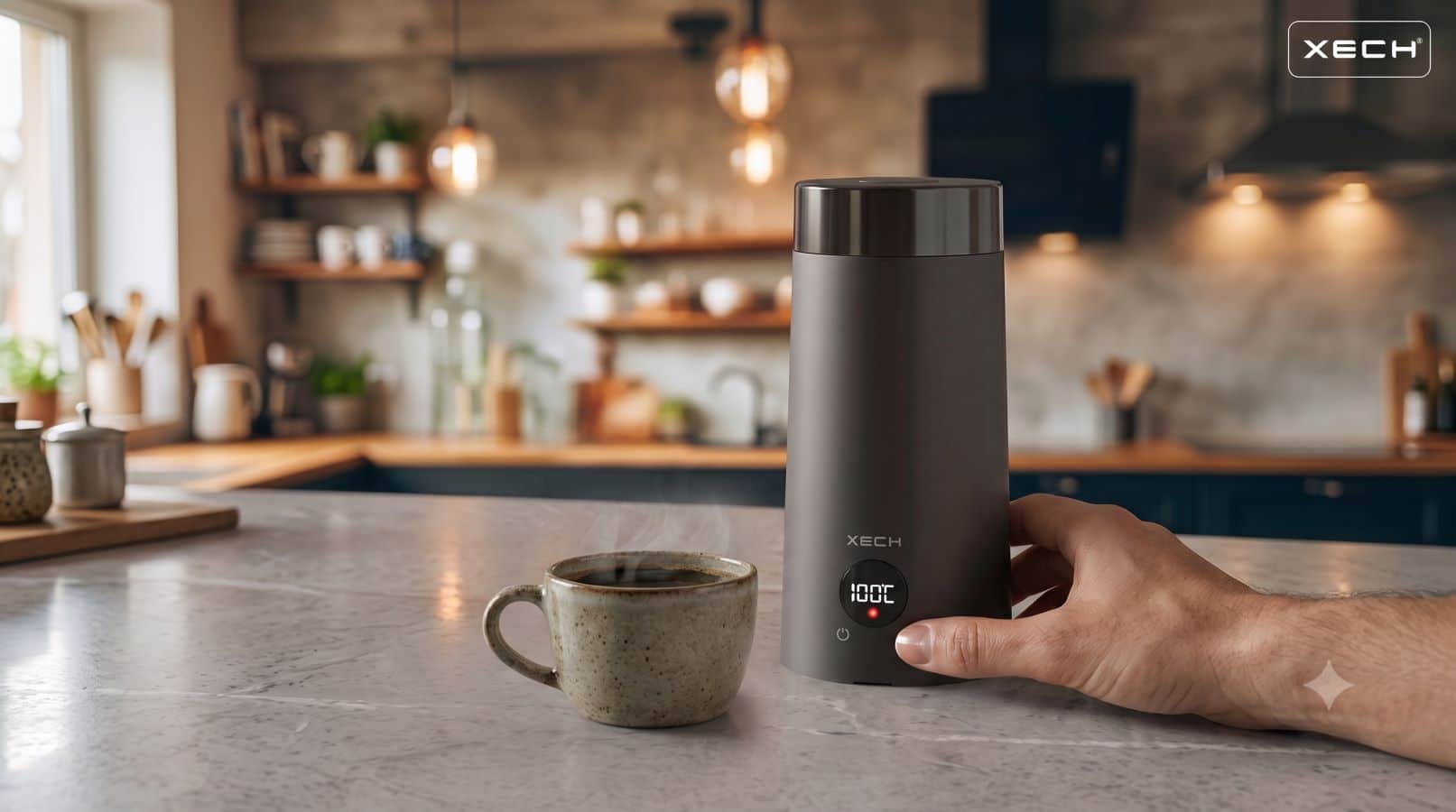


Google has officially launched Nano Banana Pro, a more powerful and much more capable version of its earlier Nano Banana image model. The previous version was built on Gemini 2.5 Flash Image, but this new Pro upgrade shifts to the stronger Gemini 3 Pro foundation. That change alone positions the tool to reason more effectively and apply deeper real-world knowledge, which perhaps explains why Google is emphasizing its ability to generate images with clean, correctly rendered text. It’s something that has challenged nearly every major AI image system so far, and I think many users will probably notice the difference right away. Now available in the Gemini app and several of Google’s professional platforms, Nano Banana Pro is meant to bring studio-quality image generation to everyday consumers, students, and creative professionals.
Key Takeaways
- Nano Banana Pro is Google’s new AI image model, built on the Gemini 3 Pro foundation.
- The model features greatly improved text rendering, accurately generating and editing legible, multi-lingual text inside images.
- It connects with Google Search to create fact-based, context-rich visuals like diagrams and infographics.
- The model supports high-resolution outputs, including 2K and 4K images, a significant jump from the previous 1024×1024 limit.
- Users gain more creative control with fine-tuning options like camera angle, lighting, and focus.
- It is rolling out in the Gemini app and will be available to paid subscribers in Google Workspace (Slides, Vids) and the Gemini API.
Advanced Features for Visual Design
The shift to Gemini 3 Pro gives Nano Banana Pro a noticeably stronger grasp of reasoning and context. This matters quite a bit, especially when you’re asking the model to generate visuals that depend on factual accuracy rather than pure imagination. For example, a user could request an infographic showing how to make elaichi chai (cardamom tea), and the system can turn that into a detailed, step-by-step visual. It can also convert things like handwritten notes into diagrams or transform code snippets into clean, well-structured infographics. In a way, it feels designed for anyone who needs to explain something visually, from teachers to engineers.
One of the most widely praised improvements is its stronger text rendering. AI tools have long struggled to produce clean, readable text within images, especially longer sentences or multilingual content. Nano Banana Pro seems to address this directly. It can now handle everything from short taglines to extended passages, producing legible, stylistically consistent text in a variety of fonts and languages. This opens the door for more polished marketing mock-ups, posters, advertisements, or even simple classroom visuals where clarity matters.
Professional-Grade Creative Control
Nano Banana Pro also introduces a set of features that feel aimed squarely at designers and other creative professionals. The jump to 2K and 4K output means the images hold up far better when scaled or printed. They can be used for billboards or high-quality print materials, which wasn’t really practical with the older 1024×1024 ceiling.
Users can also guide the creative process more precisely. Prompt adjustments can alter camera angles, lighting changes like day to night, depth of field, or broader color grading choices. Another interesting capability is its support for blending up to 14 reference images, which helps create a consistent design language or combine stylistic elements without manually editing. For projects involving people, the model can maintain resemblance across up to five individuals, making it useful for storyboards, character sets, or narrative sequences that need continuity.
Google has also built in SynthID digital watermarking for safety. Every image created or edited by Nano Banana Pro carries an invisible SynthID mark. Free and Pro users will also see a visible sparkle watermark, though Ultra subscribers and enterprise teams can remove it for polished, professional use.
Google is rolling out Nano Banana Pro globally in the Gemini app when users select the Thinking mode for image creation. It’s also expanding into Google Ads, and soon Workspace users will find it in Google Slides and Vids. Developers and enterprise customers can access it through the Gemini API and Vertex AI as the rollout continues.
Related FAQs
Q: What is the main difference between Nano Banana and Nano Banana Pro?
A: Nano Banana Pro is built on the more powerful Gemini 3 Pro model, which gives it better reasoning, accurate text rendering inside images, access to real-time information via Google Search, and the ability to generate higher-resolution images (up to 4K). The original Nano Banana is based on Gemini 2.5 Flash Image.
Q: Where can I use Nano Banana Pro?
A: You can use Nano Banana Pro in the Gemini app by selecting the “Create images” option with the “Thinking” model. It is also being added to paid services like Google Workspace (Slides, Vids), NotebookLM, Google Ads, and for developers via the Gemini API and Vertex AI.
Q: Does Nano Banana Pro cost money to use?
A: Free-tier users of the Gemini app will get a limited number of free uses of Nano Banana Pro, after which they will revert to the original Nano Banana model. Paid subscribers (Google AI Plus, Pro, and Ultra) receive higher usage limits for the Pro model.
Q: Can Nano Banana Pro generate text that looks real in an image?
A: Yes, one of the biggest improvements in Nano Banana Pro is its advanced text rendering. Google states it is its most accurate model for generating legible text, supporting multiple languages and various styles inside the generated image.