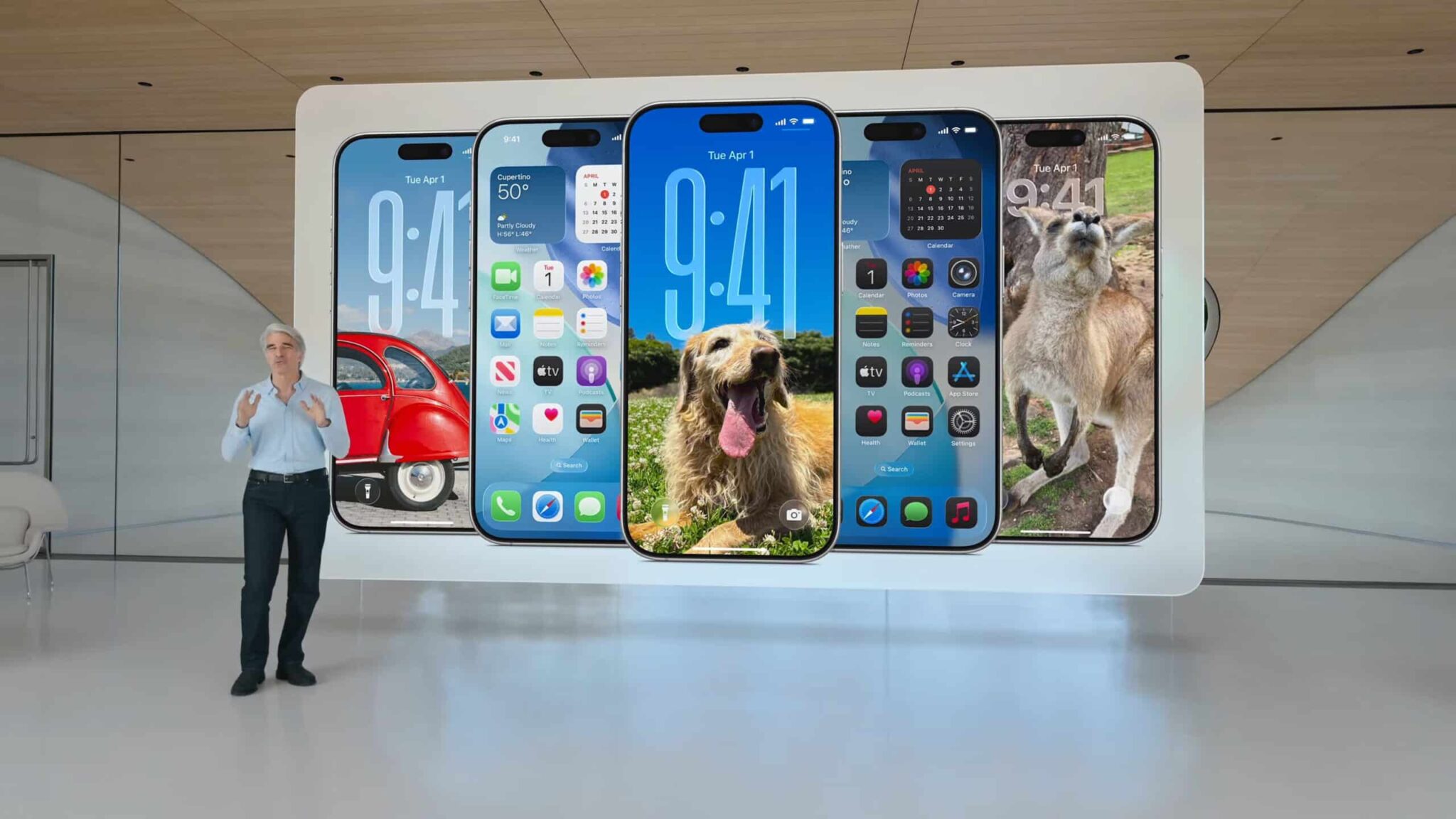
The gloves are off. With its latest advertising push, Google has added a fresh dose of drama to the long-running rivalry between tech titans Apple and Google. The new chapter? A direct jab at Apple’s iOS 26, which Google claims has borrowed—rather heavily—from features Android users have enjoyed for years.
Key Takeaways:
- Google’s new “#BestPhonesForever” ad campaign accuses Apple’s iOS 26 of adopting three features Android pioneered years ago.
- The features in question: Live Translate, Hold Assist, and Call Screening.
- According to Google, these tools have been part of the Pixel experience for quite some time.
- Live Translate first appeared with the Pixel 6 in 2021; Hold for Me (now Hold Assist) came to Pixel 3 in 2020; and Call Screening launched with the Pixel 3 in 2018.
- Apple rolled out similar capabilities in iOS 26 as part of its Apple Intelligence suite, with a strong emphasis on privacy and on-device processing.
- The ongoing tug-of-war between iOS and Android over feature innovation has once again taken center stage, fueling broader conversations in the tech world.
In a cheeky installment of its “Best Phones Forever” series, Google spotlights a fictional podcast where an iPhone eagerly shares its “new” features. The Pixel 9 Pro, however, interjects with well-timed humor and a not-so-subtle reminder: these capabilities aren’t exactly groundbreaking. They’ve already been part of the Android toolkit, particularly on Pixel devices, for quite a while.
A Closer Look at the Accused Features
Let’s break down the three features at the heart of this tech turf war:
- Live Translate
With iOS 26, Apple introduces Live Translation for Messages, FaceTime, and Phone calls—a feature that’s undoubtedly useful for breaking language barriers in real time. It’s being pitched as a major step forward for global communication.
But here’s the catch: Google rolled out Live Translate with the Pixel 6 in 2021. It provided real-time translations of messages and even phone calls, all processed on-device for both speed and privacy. From Google’s standpoint, Apple arriving at the party four years later feels like an overdue encore rather than a headline act.
- Hold Assist (previously “Hold for Me”)
We all know the pain of being placed on hold. Apple’s new Hold Assist feature, introduced in iOS 26, tries to ease that frustration by waiting on hold for you, then alerting you when a human is finally ready to talk.
Yet again, Pixel users might be feeling a bit of déjà vu. Google launched “Hold for Me” back in 2020 on the Pixel 3, using its Duplex AI tech to monitor calls and notify users when someone finally picks up. Google’s framing is simple: Apple is playing catch-up, and it’s not even subtle about it.
- Call Screening
To tackle the spam call epidemic, Apple has unveiled Call Screening in iOS 26. It prompts unknown callers to state their name and reason for calling while generating a live transcript, giving users the power to decide if the call is worth answering.
Sound familiar? That’s probably because Pixel phones have had something remarkably similar since 2018. Powered by Google Assistant, Pixel’s Call Screening not only transcribes but also blocks spam with AI smarts that have had a seven-year head start.
Is This Just How Tech Moves Forward?
Of course, the idea of platforms borrowing—or drawing inspiration from—each other is far from new. It’s been a staple of the tech world for decades. Android had widgets, customizable launchers, and quick toggles long before iOS adopted them. Meanwhile, Apple has long set the bar for sleek design and seamless hardware-software integration, something Android OEMs have steadily tried to replicate.
Even Live Voicemail in iOS 17 stirred memories of similar Android features. So it’s not exactly shocking that Apple would eventually introduce functions that already exist elsewhere. It’s just that, depending on whom you ask, the timing and marketing can make it feel like reinvention rather than iteration.
Different Philosophies, Same Goal
Apple’s new features arrive under the larger umbrella of Apple Intelligence, its fresh take on AI-powered tools. The company emphasizes on-device processing and a privacy-first approach, promising that your data stays secure.
Google, too, leans into on-device AI, particularly with its custom Tensor chips. But it also makes heavier use of cloud-based AI across its ecosystem. In some ways, it boils down to philosophical differences: Apple waits, polishes, and packages; Google experiments fast and iterates openly. And both paths, arguably, have their merits.
What the Tech Community Is Saying
Public reaction to Google’s campaign has been, well, a mix. Some folks on Reddit and Quora are cheering Google on, citing Apple’s habit of “delayed innovation.” Others think the whole conversation is a bit overblown—that this back-and-forth is just part of how competitive markets evolve.
Still, one thing is hard to deny: competition tends to push everyone to do better. And whether it’s copying, riffing, or simply reaching similar conclusions independently, the end result usually means better tools for all of us.
So, while Google might be poking fun now, it’s just as likely that Apple will be doing the same down the line. Tech history is full of these moments.
Frequently Asked Questions (FAQs)
Q1: What are the three Android features Google claims iOS 26 copied?
A1: Live Translate, Hold Assist (originally “Hold for Me” on Pixel), and Call Screening.
Q2: When did these features debut on Pixel phones?
A2: Live Translate came out with the Pixel 6 in 2021, Hold for Me on the Pixel 3 in 2020, and Call Screening on the Pixel 3 in 2018.
Q3: What exactly is “Apple Intelligence”?
A3: It’s Apple’s new personal AI system, powering various iOS 26 features. Apple highlights on-device processing and data privacy as core strengths.
Q4: Do Apple and Android often adopt similar features?
A4: Yes, very often. It’s a recurring pattern in the mobile tech industry where both platforms evolve by learning from each other.
Q5: What’s the main message behind Google’s “#BestPhonesForever” ads?
A5: The campaign humorously emphasizes how long Pixel phones have had certain features that Apple is only now introducing, aiming to position Pixel as the more innovative option.