


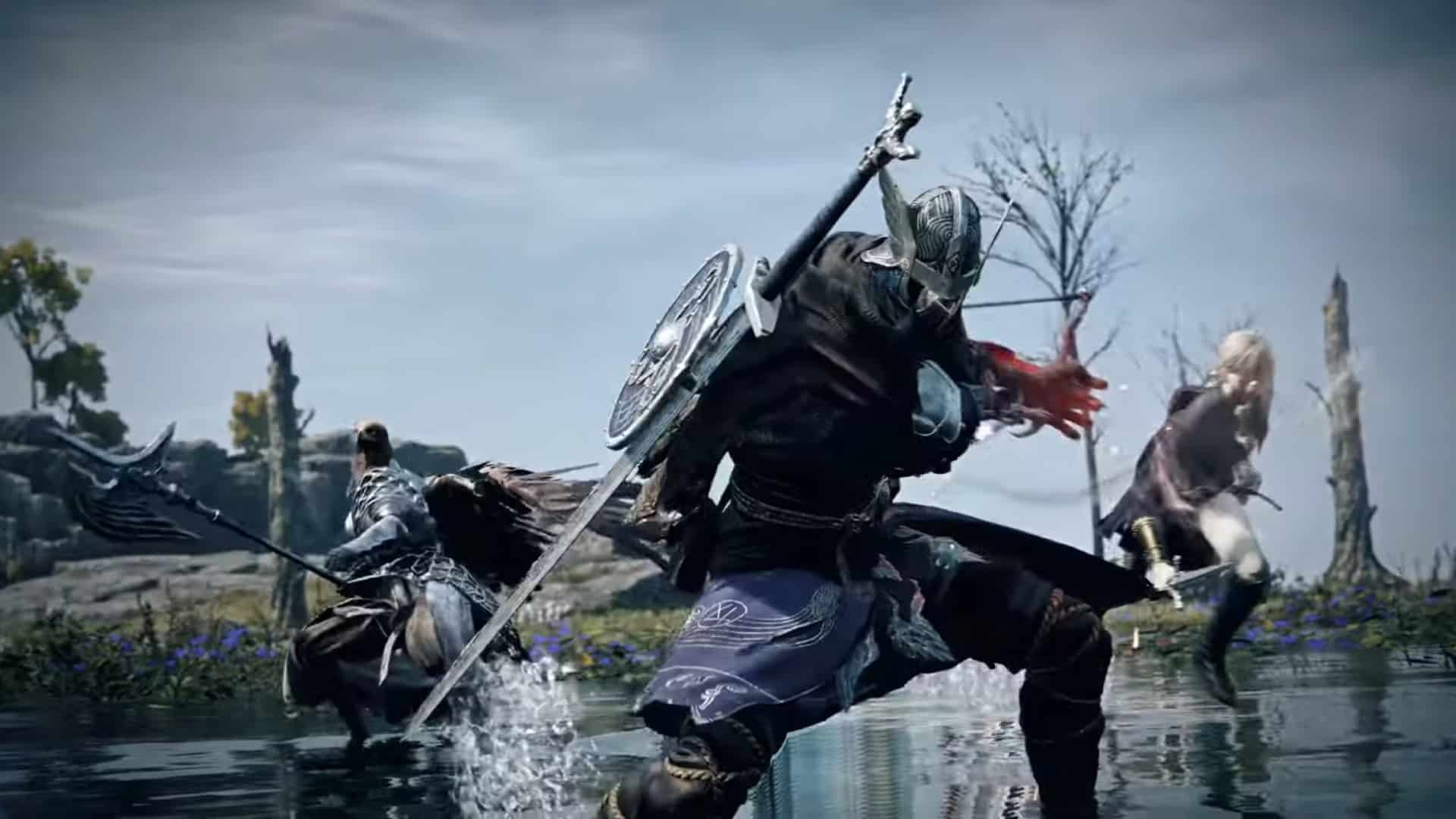
The Lands Between in Elden Ring tested the mettle of countless Tarnished, pushing them to conquer towering bosses and survive a sprawling, often hostile world. Players spent hundreds of hours fine-tuning builds, unearthing secrets, and gradually mastering its rhythms. Eventually, most emerged triumphant. But now, FromSoftware is back with Elden Ring Nightreign, a standalone entry set in the same universe. Only this time, the rules have changed. While it shares that signature combat DNA, Nightreign flips the formula in ways that are catching even hardened veterans off guard.
The Shift from Marathon to Sprint
Where the original Elden Ring felt like an endurance trial—a slow-burn epic rewarding exploration, patience, and the luxury to pause and regroup—Nightreign is anything but. It’s a sprint. A tense, rogue-like race against time.
You’re dropped into Limveld, a hostile island engulfed by the Night’s Tide. The clock starts ticking: you have just three in-game days to survive, gather strength, and ultimately face the Nightlord. There’s no time to linger. Every step counts. Unlike the original, where dying often led to a more prepared rematch, here, each moment wasted tightens the noose. You need to move fast, think faster, and adapt constantly.
Unpredictability and Forced Adaptation
One of the core strengths of Elden Ring was the freedom to mold your character over time. You picked your path, your weapons, and shaped your stats to suit your style. It gave players a sense of long-term ownership over their builds.
Nightreign offers a more constrained, volatile approach. You choose from eight predefined “Nightfarer” classes, each locked into specific passives, actives, and ultimate skills. These builds auto-level and evolve without much player input. Loot is random. Sometimes you strike gold and find a weapon that syncs perfectly with your kit. Other times? You’re stuck awkwardly adapting, fighting through with gear that just doesn’t click. It pushes you into uncomfortable territory—and that’s kind of the point.
The Burden of the Clock and the Team
Unlike its predecessor, Nightreign is designed for cooperative play. Three players, one mission. This alone redefines how difficulty is experienced.
Sure, the original had co-op, but it was optional. You could muscle through solo with enough grind and persistence. Not here. Bosses in Nightreign are built for groups—they hit harder, survive longer, and often require coordinated effort. One careless death isn’t just a momentary setback; it’s a blow to your team, your momentum, and your run’s potential. There’s no convenient retry. Recovery takes time you don’t have.
And coordination matters. A lot. Your Nightfarer’s abilities need to play off your teammates’. Reckless decisions—or even just silence when timing an ultimate—can lead to disaster. It’s a high-stakes dance where everyone needs to know their role. The pressure is unrelenting.
The Pain of a Lost Run
Perhaps the most punishing part of Nightreign isn’t the difficulty per se, but the investment it demands. A full run can stretch to 45 minutes of sustained tension. If you fall to the Nightlord—the final boss of the cycle—that’s it. Everything resets. All your effort gone.
That’s a sharp contrast to the original, where progress felt more incremental. Here, improvement comes only through repeated full attempts, many of which end in failure. Worse still, unexpected hazards like level-draining locusts or surprise appearances by returning enemies like Margit can derail your plans instantly. And as usual with FromSoftware, you’ll learn most of these dangers the hard way. No tutorials. No hand-holding. Just harsh lessons.
Solo Play: A Test of the Toughest
Technically, you can play Nightreign solo. But be warned: it’s not designed for it.
Yes, the enemies scale down, but they’re still fundamentally tuned for groups. Handling crowd control, revives, and boss mechanics alone becomes a brutal test of endurance. FromSoftware has acknowledged this disparity and plans to tweak solo viability—adding things like automatic revives and bonus runes—but the core remains unchanged. It’s a game built around shared struggle.
A New Kind of Brutality
In the end, Elden Ring Nightreign doesn’t just ramp up the difficulty—it redefines it. Time pressure, random loot, and forced teamwork twist the familiar formula into something altogether more frantic and unforgiving. It demands fast thinking, relentless adaptation, and the kind of resilience that doesn’t come from overpowered gear, but from being willing to try, fail, and try again.
For those who conquered The Lands Between, Nightreign poses a new question: can you endure chaos, not just challenge?