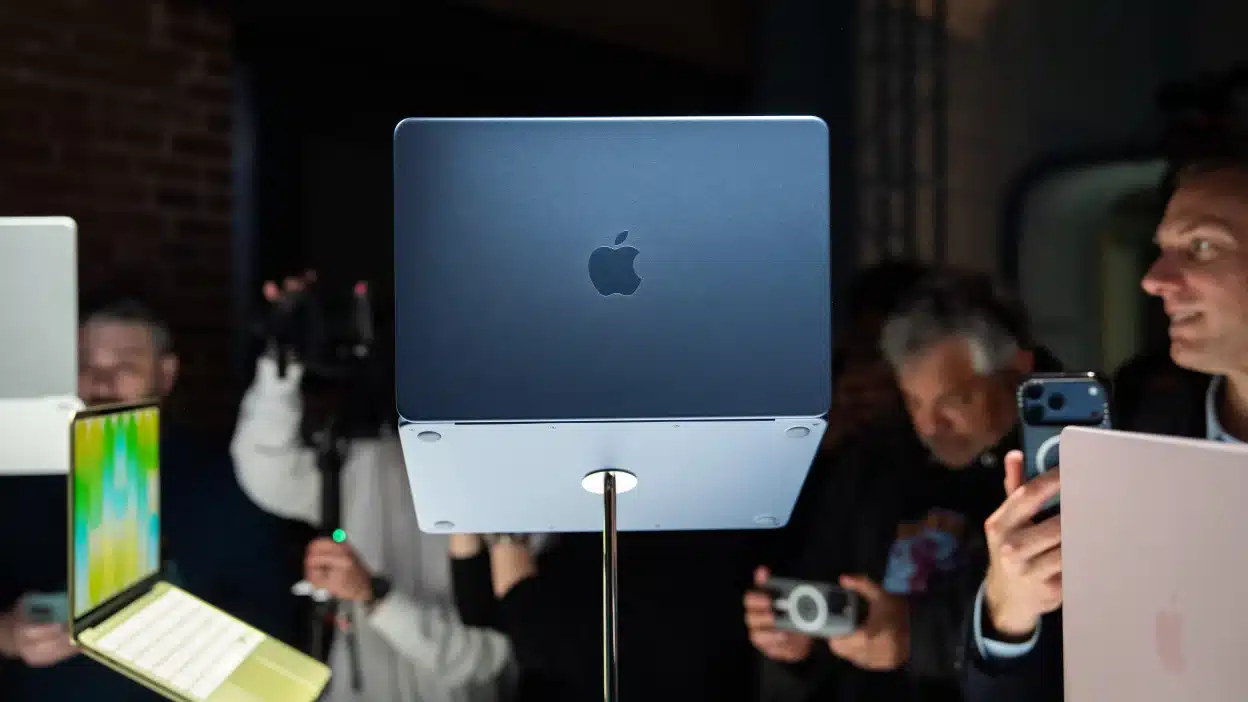

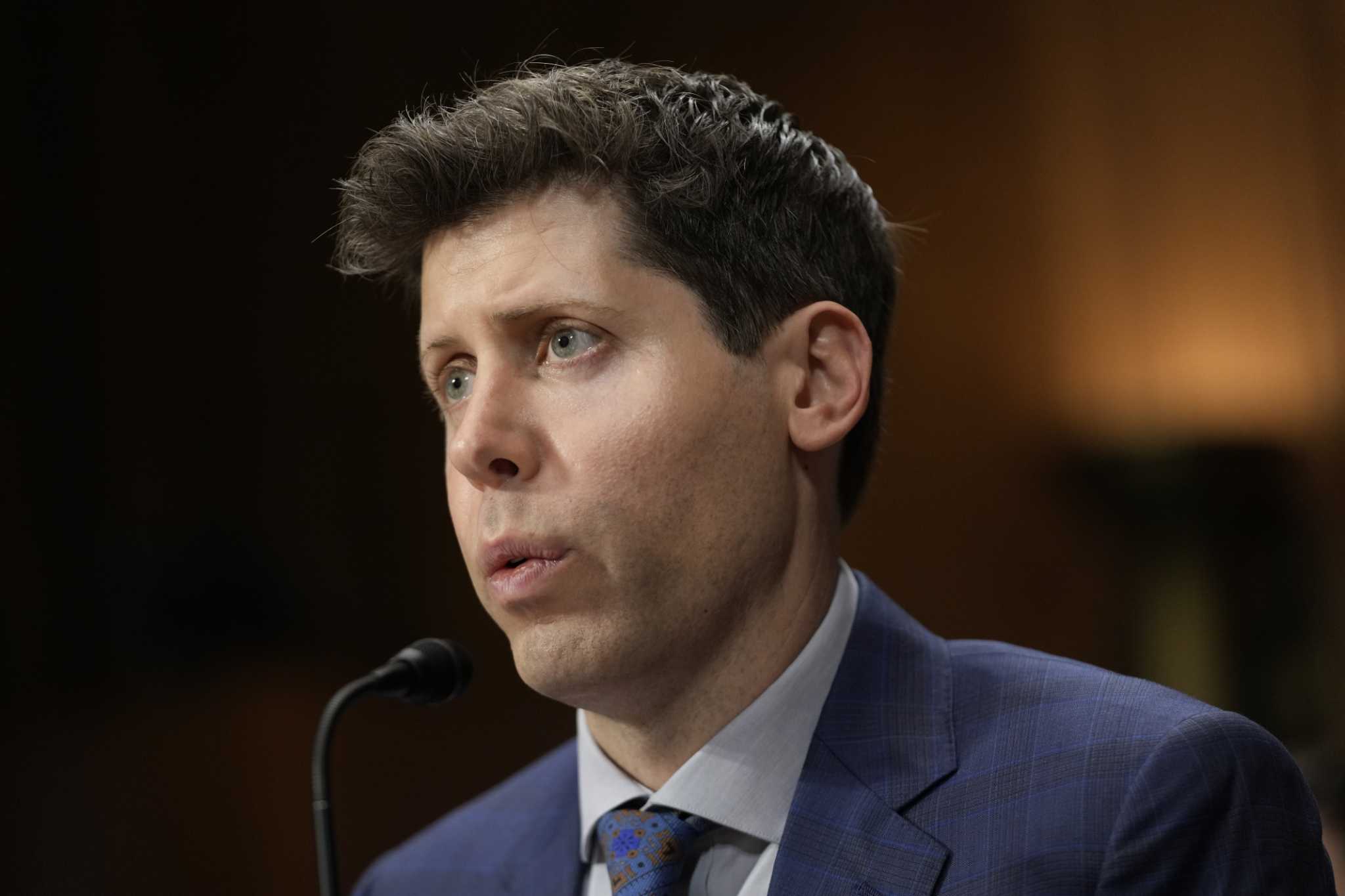
Sam Altman, CEO of OpenAI, stands at a pivotal point in the technology sector. His leadership of OpenAI, a company right at the edge of what artificial intelligence can do, has drawn more and more comparisons to the late Steve Jobs. And that comparison—it’s not just a media shorthand. It speaks to a blend of strategic clarity, a restless drive for groundbreaking products, and a certain magnetism that pulls public attention his way, not unlike how Jobs once did.
Altman’s journey with OpenAI has been marked by bold, sometimes surprising moves, always underpinned by a clear goal: to stretch the limits of what AI can offer. The cultural and commercial impact of ChatGPT, OpenAI’s standout conversational AI, did more than prove the company’s technical chops. It forced AI into the broader public consciousness in a way that, frankly, few technologies ever manage.
A Shared DNA: Product-First Philosophy
Steve Jobs had an obsession with product. Not just how it worked, but how it felt, how it lived in people’s lives. That mindset was the backbone of Apple’s iconic lineup, from the Macintosh to the iPhone. Altman—in a very 21st-century, software-centric way—seems to operate on a similar wavelength.
OpenAI doesn’t just build clever algorithms. It launches tools that regular people can use and understand, even if the mechanics behind them are daunting. Take DALL-E, the image-generating AI. Like ChatGPT, it wasn’t just a flex of technical capability. It was imaginative. It sparked curiosity. That focus on creating real, tactile experiences, rather than just releasing papers and benchmarks, feels deeply aligned with Jobs’s ethos: get powerful technology into people’s hands, let them play, let them dream.
Navigating Controversy and Cultivating Mystique
Of course, neither figure’s rise was all smooth sailing. Jobs had his infamous ousting from Apple—and his triumphant return. Altman, too, faced a high-profile shakeup, briefly removed from his post at OpenAI before being swiftly reinstated. That drama wasn’t just company politics; it exposed the deeper currents and tensions swirling around AI and leadership. And maybe paradoxically, it boosted Altman’s visibility.
There’s also that harder-to-pin-down quality both men seem to share. Jobs had his stagecraft: the dramatic keynotes, the suspenseful reveals. Altman’s delivery is more subdued, sure, but his statements on AI’s future tend to land with similar weight. When he talks, people listen—and they argue, they speculate, they wonder. That ability to stir up discourse? It’s part of how tech leaders shape not just products, but culture.
Scaling Grand Ambitions
Jobs didn’t just want Apple to succeed; he wanted to rewrite how we interact with music, phones, even books. Altman talks openly about developing artificial general intelligence (AGI)—the kind of AI that could match, or even exceed, human intellectual range. That’s not an incremental goal. It’s enormous, a bit abstract, maybe even unsettling. But it’s the kind of moonshot ambition that signals genuine vision.
And he doesn’t dodge the hard stuff. He’s regularly engaging with the ethical minefields surrounding advanced AI. He’s on record discussing risks, regulations, long-term implications. It’s not just about building cool tech; it’s about acknowledging the world-shaping consequences that come with it. That blend of daring and responsibility? It’s not common. But it’s necessary.
The Ecosystem Play
Apple’s triumph was never just about the iPhone or the Mac. It was about the ecosystem: devices, software, services, all seamlessly locked in step. OpenAI’s work is still mostly rooted in AI models and interfaces, but there are signs of something bigger brewing.
APIs, developer tools, integrations—these are more than just features. They’re infrastructure. And once third parties begin to build around you, that’s when network effects kick in. It starts to feel like a platform. Perhaps not yet a full-blown ecosystem like Apple’s, but the trajectory? It’s suggestive.
The Human Element in High Tech
Jobs had this uncanny ability to humanize technology. He made gadgets feel warm, desirable, even magical. Altman’s not selling magic per se, but there is a human touch to how OpenAI has released its products. ChatGPT, for instance, is designed to be conversational, accessible, even a little friendly.
That may seem minor, but it isn’t. The adoption of AI hinges on trust and comfort. If people feel uneasy or overwhelmed, they won’t use it. Altman seems to get that. His interviews often walk the line between evangelism and caution, acknowledging both the promise and the peril. It’s a delicate balance, and one that speaks to his awareness of the stakes.
A New Chapter, A Familiar Arc
The technologies they shepherded are vastly different—personal devices versus intelligent systems. But when you zoom out, the arcs of Jobs and Altman echo one another. Each led a company that aimed not just to succeed, but to redefine the landscape. Each had moments of controversy, resilience, and triumph. And each managed to captivate the public imagination in a way few technologists do.
So has Sam Altman truly taken up Steve Jobs’ mantle? Maybe. Maybe not fully—and maybe he shouldn’t try to. But he’s certainly part of the same lineage: a rare type of leader who doesn’t just make technology but bends the conversation around it. For now, at least, the world is watching.