

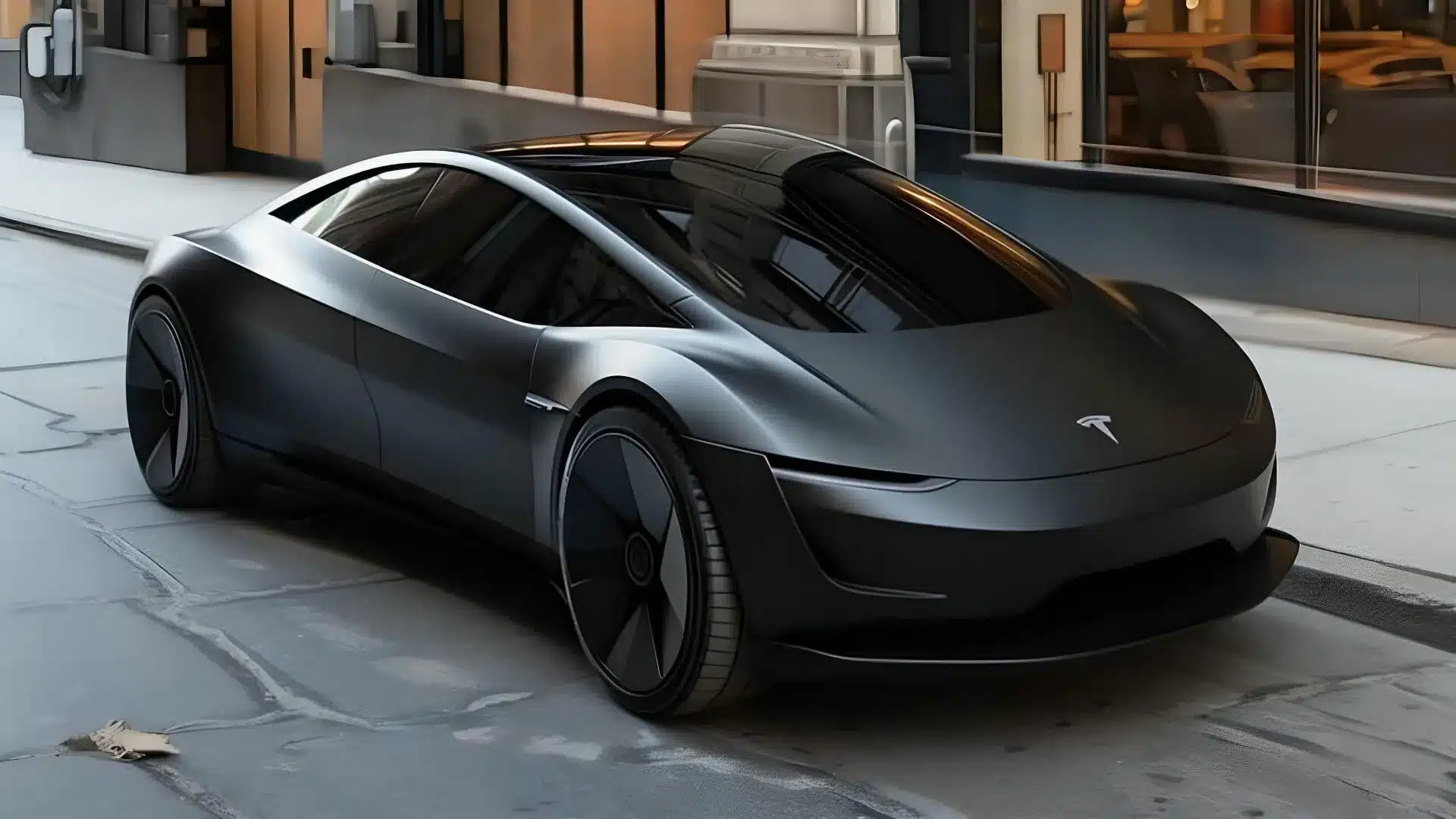
In 2019, Tesla introduced a leasing program for its Model 3 sedans, assuring customers that at the end of the lease term, the vehicles would be repurposed for Tesla’s anticipated robotaxi network. CEO Elon Musk emphasized this plan, stating, “We want them back,” and projected over a million robotaxis on the road by the following year.
However, as of May 2025, Tesla has yet to launch a fully operational robotaxi service. Instead of integrating returned leased vehicles into a robotaxi fleet, the company has been reselling them to new customers. These off-lease cars, often equipped with costly software upgrades like Full Self-Driving (FSD) and acceleration boosts, are sold at higher prices than the original lease-end buyout options would have been.
This practice has raised concerns among former lessees and industry observers. Joe Mendenhall, a former Model Y lessee, expressed his frustration on social media, stating, “Lies about not being able to buy out my lease… The car gets sold at auction, not turned into a robotaxi like I was told.”
Tesla’s decision to sell these vehicles, rather than utilize them for the promised robotaxi network, has implications beyond customer relations. It has also influenced investor perceptions. By presenting the leased vehicles as future robotaxi assets, Tesla reinforced the narrative of imminent autonomous driving technology, which may have bolstered investor confidence and, consequently, the company’s stock value.
In November 2023, Tesla reversed its policy, allowing lease-end buyouts for new contracts. This change came amid declining used Tesla values and increased competition in the electric vehicle market. Analysts suggest that the policy reversal was a strategic move to avoid holding depreciating assets.
As Tesla continues to develop its autonomous driving technology, the company’s past actions regarding leased vehicles highlight the challenges of aligning public promises with operational realities. For investor confidence and investors alike, transparency and accountability remain crucial as the company navigates the evolving landscape of electric and autonomous vehicles.