Imagine the panic. Your phone is gone – lost, stolen, or perhaps tragically met its end in a sudden drop. Beyond the immediate dread of losing precious photos and messages, there’s the daunting task of getting your life back online, which inevitably involves sorting out your phone service. For years, swapping a physical SIM card offered a lifeline, a quick way to get your number and connectivity onto a new device. But with the rise of eSIMs, that simple swap is often no longer an option, leaving you at the mercy of customer service lines and potentially lengthy activation processes.
However, a glimmer of hope is appearing on the horizon for Android users. Recent findings suggest that Google might be working on a feature to include SIM information, most likely focusing on the increasingly common eSIMs, within your regular Android device backups. This could be a significant step towards making the often-painful process of switching phones or recovering from a lost device much less of a headache.
Delving into the code of a recent beta version of Google Play Services, the essential software that powers many Android features, developers spotted intriguinag references to backing up “SIMs” alongside the usual data like apps, call history, contacts, messages, and device settings. This wasn’t just a fleeting mention; it appeared within the context of the device backup settings, hinting at an integrated feature within the existing Google One backup service.
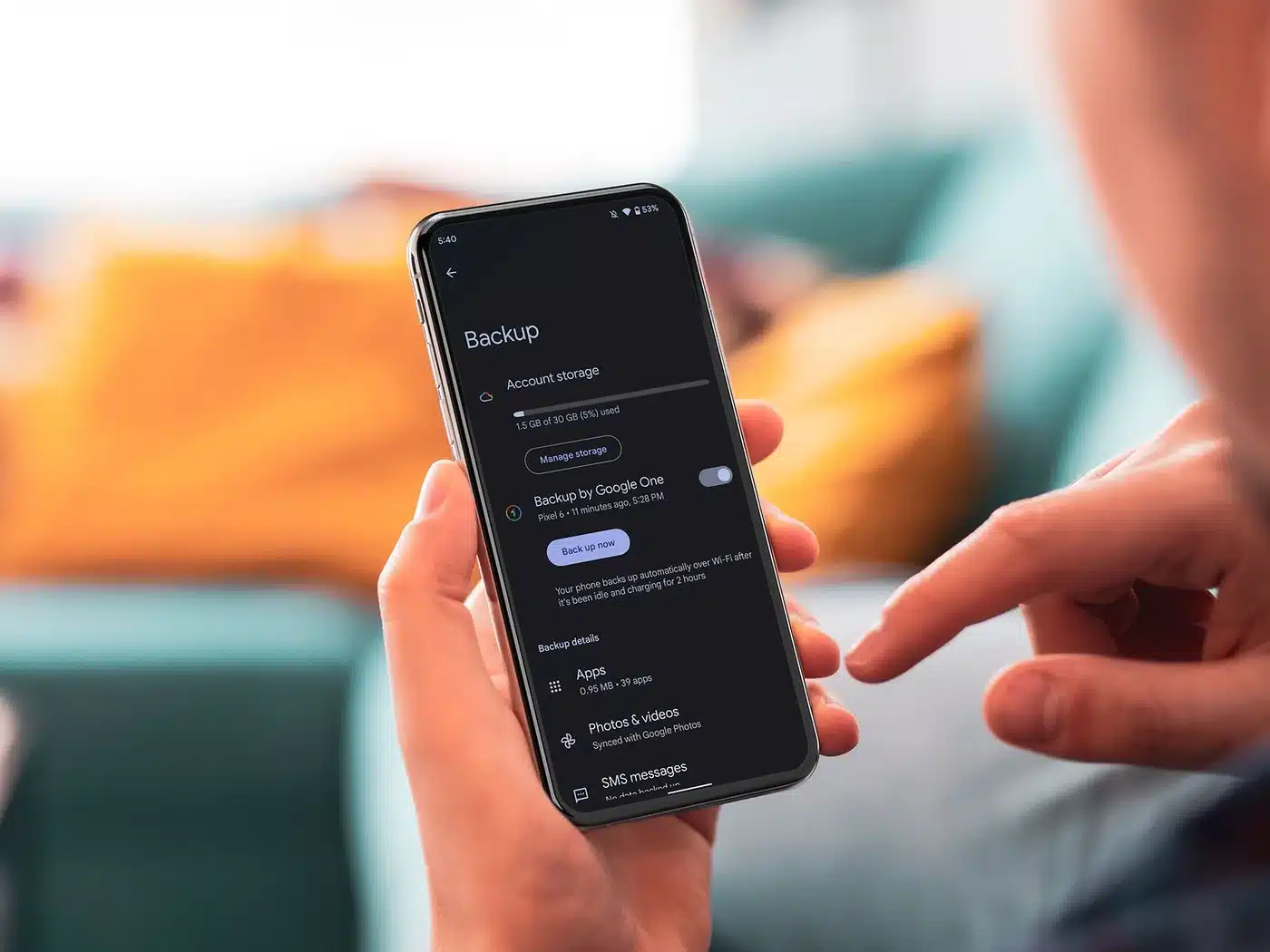
Think about what this could mean. Currently, when you back up your Android phone to your Google account, either automatically through Google One or manually, you save a substantial amount of your digital life. Your app list, Wi-Fi passwords, device settings, call logs, and text messages are all safely stored in the cloud, ready to be restored to a new device. But the one crucial element tied to your cellular service, your SIM profile, remains separate. Getting your phone number and data plan working on a new device with an eSIM typically requires contacting your carrier, obtaining a new QR code or activation details, and going through a specific setup process. It adds an extra layer of complexity and can be particularly frustrating if you don’t have easy access to your account information or if your previous device is completely inaccessible.
This potential SIM backup feature appears to directly address that pain point. By including the eSIM profile within your Google backup, the process of setting up a new phone could become significantly smoother. Imagine restoring your backup on a new device and, alongside your apps and settings, your cellular service simply activates. It would eliminate the need to re-engage with your carrier for a simple device swap or in the aftermath of a device failure. For anyone who has spent frustrating time on hold with a carrier, the appeal of this is immediately clear.
The technical specifics of how this would work are still emerging from the code analysis. It’s highly probable that this feature is designed for eSIMs, as physical SIM cards are hardware-based and aren’t typically included in software backups in this manner. An eSIM is essentially a programmable chip embedded in your phone, and your carrier profile is downloaded onto it digitally. Backing up an eSIM would likely involve saving that digital profile in an encrypted format linked to your Google account. When you restore your backup on a new, compatible device, the saved profile could theoretically be used to provision the eSIM on that new phone, restoring your service without the need for manual activation steps from the carrier.
Of course, integrating such a feature would require close collaboration between Google and mobile carriers. Carriers manage the activation and provisioning of SIMs, both physical and embedded. For a SIM backup and restore process to work seamlessly, carriers would need to support this functionality and ensure that backed-up eSIM profiles can be securely transferred and activated on new devices. Questions remain about how this integration would function, including security protocols to prevent unauthorized use of a backed-up SIM profile. Google has a strong track record in implementing robust security measures for its services, and any SIM backup feature would undoubtedly need stringent safeguards in place to protect users’ cellular accounts.
While the discovery of this code is exciting for the future of Android backups, it’s important to remember that findings in beta software don’t always guarantee a public release. Companies often experiment with features internally that may not see the light of day for various reasons, including technical hurdles, security considerations, or business partnerships. However, the presence of this functionality within the Google Play Services beta suggests that Google is actively exploring this capability and sees value in simplifying the SIM management process for Android users.
Currently, Android backups through Google One cover a comprehensive range of data, making device migration much easier than in the past. You can restore your apps, call history, messages, contacts synced to your Google account, and many device settings. Google Photos handles the backup of your pictures and videos separately. Adding the SIM profile to this existing backup framework would create a more complete and truly effortless transition experience when moving to a new Android device or recovering from losing your current one.
The potential benefits extend beyond just convenience. In situations where a phone is lost or stolen, the ability to quickly restore your service on a new device could be crucial for staying connected and securing your accounts. It could potentially reduce the window of time where a lost phone’s number is inactive, which can sometimes complicate two-factor authentication and other security measures tied to your phone number.
As of now, Google has not made any official announcement regarding this potential SIM backup feature. The information comes from diligent code analysis by the Android community. This is often how we get early glimpses into features Google is developing. The timeline for a potential release remains unknown, and it’s possible that when it does arrive, it might initially be limited to certain devices or carriers.
For Android users, this development is a promising sign that Google is continuing to refine the backup and restore experience, making it more seamless and comprehensive. The frustration of dealing with SIM transfers, especially with eSIMs, is a real one for many people. If Google can successfully implement a secure and reliable SIM backup feature, it would be a welcome improvement that takes a significant burden off users when they need to switch devices or recover from the unexpected. It highlights Google’s ongoing efforts to make the Android ecosystem as user-friendly and resilient as possible.