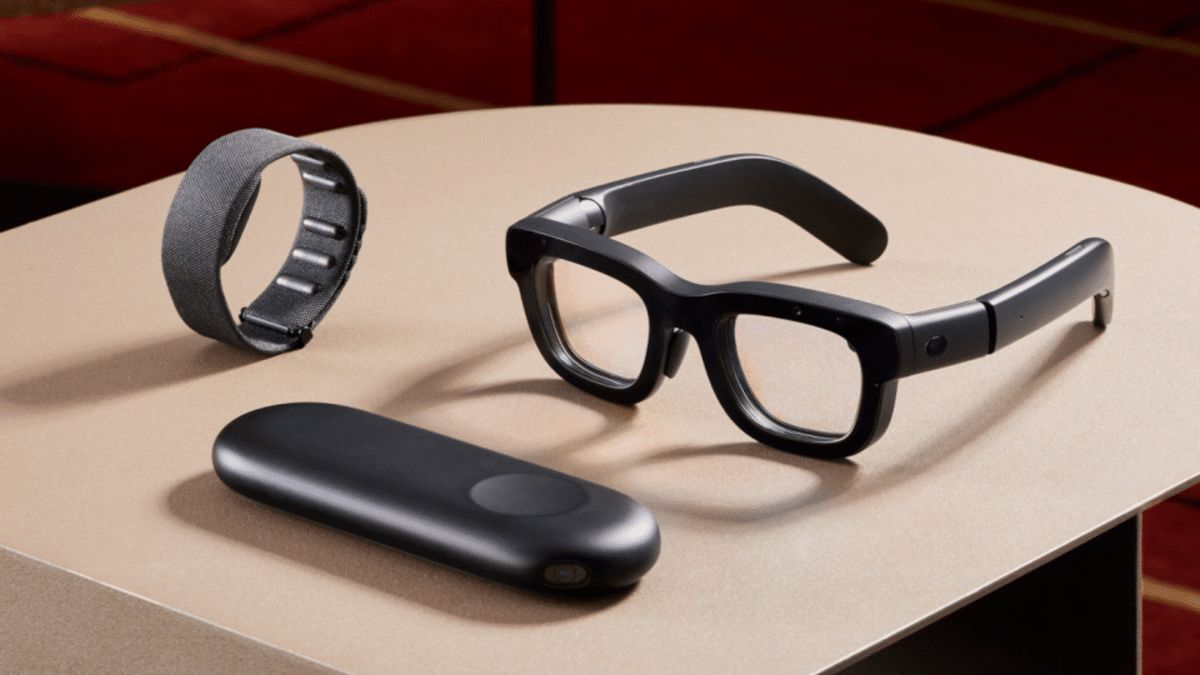
Reports suggest Apple is making significant strides on a new type of wearable device – smart glasses – designed for everyday use, potentially leveraging the power of its newly unveiled Apple Intelligence. This rumored effort puts Apple on a collision course with Meta, which has been actively developing and marketing its own line of smart glasses in partnership with Ray-Ban. The potential entry of Apple into this space could dramatically reshape the nascent market for augmented reality wearables.
For years, whispers of “Apple Glasses” have circulated within the tech community, painting a picture of sleek, subtle eyewear capable of layering digital information onto the real world. While the company launched the Vision Pro headset earlier this year, positioning it as a “spatial computing” device for immersive experiences, the smart glasses project appears to target a different, perhaps broader, audience – people who want technology assistance seamlessly integrated into their daily lives without strapping a computer to their face.
Think about it: notifications appearing discreetly in your periphery, directions guiding you as you walk, real-time information about your surroundings, all delivered without pulling out your phone. This is the promise of smart glasses, and it’s a vision Apple seems to be pursuing with intent.
Recent reports, notably from sources with strong track records covering Apple’s internal workings, indicate that this smart glasses project remains active. Unlike the Vision Pro, which is a complex, high-end device with a price tag reflecting that, the smart glasses are envisioned as something more accessible, potentially closer in form factor to traditional eyewear. They wouldn’t necessarily offer full-blown augmented reality overlays initially, but rather focus on practical, glanceable information and hands-free interactions.
The timing of these reports is particularly interesting, arriving shortly after Apple introduced Apple Intelligence. This suite of personal intelligence features is designed to understand your personal context – your calendar, messages, emails, photos – and use that understanding to provide truly helpful assistance across Apple’s devices. Imagine that intelligence woven directly into what you see and hear through glasses.
How might Apple Intelligence manifest in smart glasses? Consider these possibilities:
- Contextual Notifications: Instead of just buzzing your wrist or phone, a reminder about an upcoming appointment could appear subtly in your vision as you leave the house, along with a quick route suggestion.
- Real-time Information: Looking at a restaurant? The glasses, powered by AI, could quietly display its rating or operating hours based on your personal preferences or search history.
- Hands-Free Communication: Taking a call or sending a quick message could become even more seamless, potentially using voice commands processed locally or through a connected iPhone, with text or caller ID appearing visually.
- Ambient Computing: The glasses could provide gentle nudges or information based on your activity – a summary of your morning news as you walk, or prompts related to tasks you need to complete.
This kind of integration feels like a natural extension of Apple’s ecosystem philosophy. Just as the Apple Watch provides convenient access to information and interaction without pulling out your iPhone, smart glasses could offer a similar layer of ambient, always-available assistance, deeply personalized by Apple Intelligence.
Meanwhile, Meta hasn’t been waiting around. Their partnership with EssilorLuxottica has resulted in the Ray-Ban Meta smart glasses, now in their second generation. These glasses focus heavily on social features like hands-free photos and videos, integrated audio for calls and music, and increasingly, AI capabilities. The latest version incorporates Meta AI, allowing users to ask questions, get information, and control features using voice commands. Meta is clearly positioning these glasses as a lifestyle product, blending technology with familiar eyewear design.
Meta’s approach is focused on bringing AI into everyday life through a socially acceptable form factor and emphasizing connectivity and content creation. They’ve established a foothold in the market and are iterating quickly on features and design. This gives them an early lead in consumer familiarity and distribution channels.
Apple’s potential entry would bring its considerable design expertise, ecosystem strength, and now, its personal AI capabilities to bear. If Apple can deliver smart glasses that are comfortable, stylish, and offer genuinely useful, context-aware assistance powered by Apple Intelligence, they could present a compelling alternative to Meta’s offering.
The competition is about more than just features; it’s about defining what smart glasses are for consumers. Will they be primarily social tools for capturing moments, as Meta emphasizes? Or will they be personal AI assistants, discreetly enhancing your daily life with timely information and hands-free control, as Apple’s rumored approach suggests?
Building reliable, user-friendly smart glasses presents significant technical hurdles. Battery life is a constant challenge – fitting enough power into a small, lightweight frame to last a day of intermittent use. Display technology needs to be bright enough to be visible outdoors but not distracting indoors. Connectivity with other devices needs to be seamless. And, of course, there’s the crucial issue of social acceptance – will people feel comfortable wearing these devices in public?
Apple has a history of entering established markets later than competitors but arriving with a polished, user-friendly product that redefines the category. They did it with the iPhone against existing smartphones, the Apple Watch against early smartwatches, and the AirPods against true wireless earbuds. If the rumors are true, their smart glasses, potentially powered by the deep integration offered by Apple Intelligence, could aim to do the same in the wearable AR space.
The prospect of Apple bringing its AI capabilities into a wearable form factor like smart glasses is exciting. It moves beyond Siri on your phone or watch and closer to the idea of truly ambient, intelligent assistance that understands your world and helps you navigate it. The battle for the future of wearable technology is just beginning, and Apple’s potential smart glasses, especially with Apple Intelligence at their core, could make it a very interesting fight against Meta.