Remember sinking countless hours into that one PlayStation 4 game? The one that transported you to another world, told an unforgettable story, or challenged your skills like no other? For many, titles like Ghost of Tsushima represented the pinnacle of that console generation. Its stunning open world, compelling narrative, and fluid combat captivated millions. While the base PS4 version was a technical marvel for its time, imagine experiencing that same beloved adventure with a new layer of visual fidelity and performance, pushing the boundaries of what you thought was possible. Now, with its confirmed PlayStation 5 upgrades and the persistent whispers of a more powerful “PS5 Pro” on the horizon, that dream is becoming a fascinating reality, raising questions about just how good our favorite PS4 classics could truly look and feel.
Sucker Punch Productions’ Ghost of Tsushima was a swan song for the PS4, launching in the summer of 2020 and quickly earning critical acclaim and a dedicated fanbase. Its depiction of feudal Japan, the harsh beauty of Tsushima Island, and the journey of Jin Sakai resonated deeply with players. When the PlayStation 5 arrived, players eagerly awaited news on how their existing PS4 libraries would perform. Sony delivered backward compatibility, and many games saw minor boosts. However, some key titles received dedicated PS5 upgrades, taking advantage of the new console’s significantly more powerful hardware. Ghost of Tsushima: Director’s Cut brought such an upgrade, offering a glimpse into the game’s potential on the new generation.
The PS5 upgrade for Ghost of Tsushima wasn’t just a simple resolution bump. It introduced the Iki Island expansion, but crucially, it also brought substantial technical improvements to the base game. Players could now experience Jin’s journey targeting 60 frames per second, a significant leap from the 30fps target on the base PS4. This change alone transformed the gameplay, making combat feel even more responsive and the exploration of the island smoother and more immersive. Beyond the frame rate, the upgrade included support for 3D audio, pulling players deeper into the soundscape of rustling leaves, clashing steel, and distant enemy patrols. Loading times, a common frustration on the PS4, were drastically reduced thanks to the PS5’s ultra-fast SSD. Fast travel became nearly instantaneous, keeping players in the action rather than waiting.
While the PS5 upgrade for Ghost of Tsushima undeniably elevated the experience, it ran using backward compatibility features, with specific patches enabling the enhancements. The game wasn’t rebuilt from the ground up as a native PS5 title in the same vein as, say, Marvel’s Spider-Man 2. This distinction is key when considering the potential impact of a “PS5 Pro.”
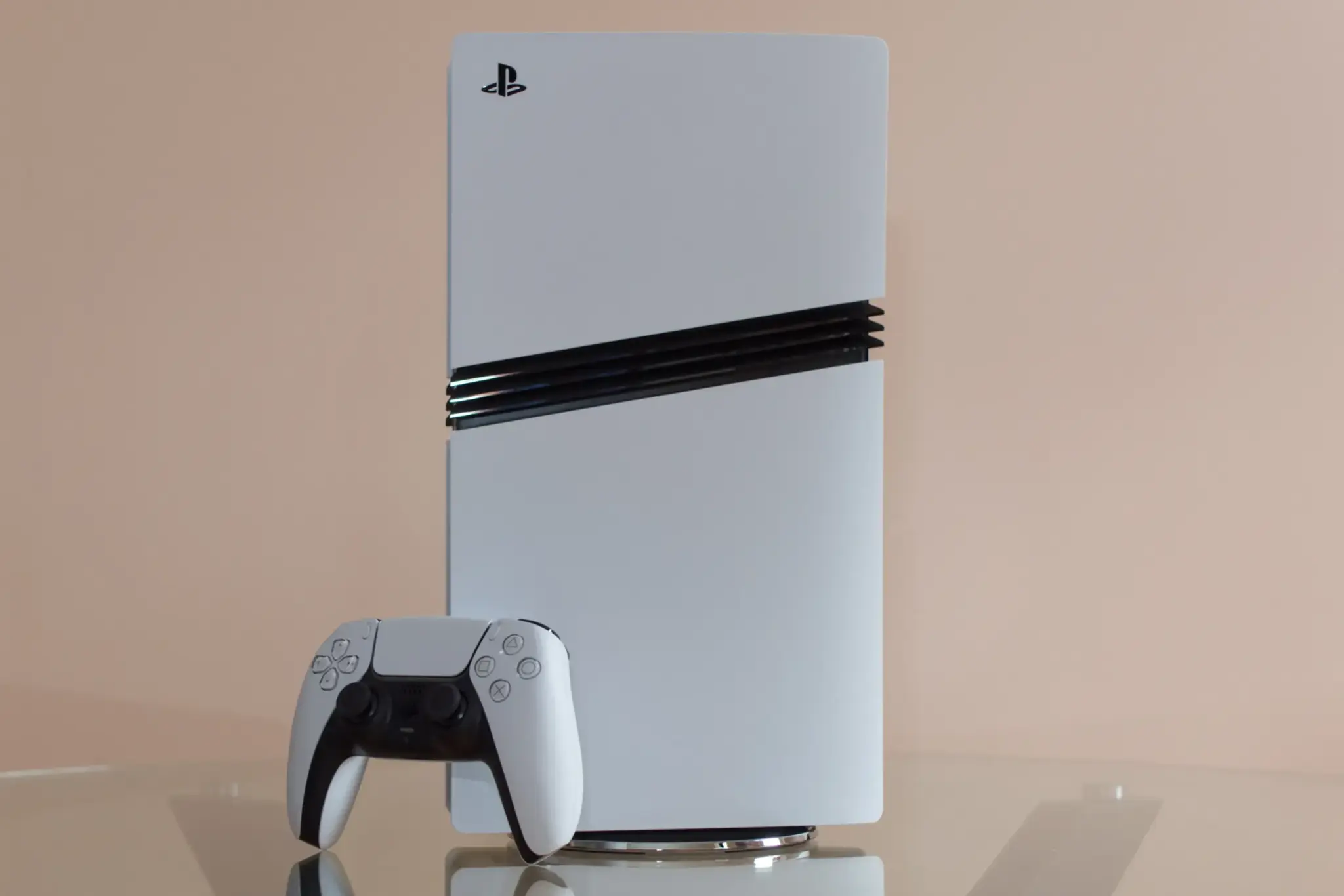
For months, the gaming world has buzzed with rumors and leaks about a potential mid-generation refresh from Sony – a “PS5 Pro.” While Sony has not officially announced such a console, credible reports from multiple sources suggest development is underway, with a focus on increased GPU power and potentially improved CPU performance and faster memory. The goal of such a console would likely be to offer developers more headroom, enabling higher resolutions, more stable frame rates, enhanced ray tracing effects, and more complex visual scenarios.
Now, connect the dots: a visually stunning, technically accomplished PS4 game that received a solid PS5 upgrade, and the prospect of a more powerful PlayStation console. How might a PS5 Pro specifically benefit a game like Ghost of Tsushima running its PS5 enhanced version?
The existing PS5 upgrade targets 60fps, often at a dynamic 4K resolution. On a PS5 Pro, the increased GPU power could allow the game to hit a native, or closer to native, 4K resolution more consistently while maintaining that smooth 60fps. Furthermore, while the current PS5 version features some visual enhancements, a PS5 Pro might enable developers to patch in even more demanding graphical features. Imagine more detailed textures, improved draw distances rendering even more of Tsushima’s sprawling landscape, or more sophisticated environmental effects like enhanced weather patterns or realistic water simulations.
One area where a PS5 Pro could make a noticeable difference is in the implementation of ray tracing. Ray tracing is a rendering technique that simulates the physical behavior of light, leading to more realistic reflections, shadows, and global illumination. While the current PS5 is capable of some ray tracing, it often comes with a performance cost, requiring developers to make compromises. A PS5 Pro with a more powerful GPU could potentially handle more extensive and complex ray tracing effects in a game like Ghost of Tsushima, making surfaces look more realistic, shadows appear softer and more natural, and the world feel even more grounded. Picture the sun setting over a calm bay, with realistic reflections shimmering on the water’s surface, or the moonlight casting truly dynamic shadows through a bamboo forest. These are the kinds of subtle yet impactful visual upgrades a PS5 Pro could facilitate.
Beyond just visuals, a PS5 Pro could also offer developers more processing power for other aspects of the game. This could translate to more complex enemy AI, more characters on screen in crowded settlements, or more sophisticated physics simulations, making the world of Tsushima feel even more alive and reactive.
The key here is that the PS5 Pro wouldn’t necessarily require developers to build entirely new versions of their games. Instead, existing PS5 enhanced titles could receive patches that unlock higher visual settings or performance targets only available on the more powerful hardware. This means games you already own and love, like Ghost of Tsushima Director’s Cut, could automatically look and perform better if you upgrade to a PS5 Pro.
This potential for a “Pro” console to further enhance existing cross-generation titles is a compelling prospect. It offers a way for players who have invested in the PS5 ecosystem to see further returns on their purchase, pushing the visual and performance envelope of games they already enjoy. It also provides developers with a target for creating an even higher tier of visual fidelity for their most demanding titles without necessarily alienating the existing PS5 user base.
While the PS5 Pro remains unconfirmed by Sony, the logic behind such a release aligns with previous console generations. The PS4 Pro offered a similar mid-cycle boost. If a PS5 Pro does arrive, titles like Ghost of Tsushima Director’s Cut, already enhanced for the base PS5, stand to benefit significantly. The already beautiful world of Tsushima could become even more breathtaking, the smooth gameplay even more fluid, offering a truly definitive way to experience one of the last generation’s most memorable adventures. It poses an exciting question for PlayStation fans: just how much more visual splendor can be squeezed out of our favorite games on the horizon?