


For years, the idea of artificial intelligence directly assisting the creative process felt like something from science fiction. Now, Adobe Firefly is transforming that notion into a tangible tool for artists, designers, and businesses alike. It’s not just another filter or automated function; Firefly represents a significant leap forward, offering a suite of generative AI models designed specifically for creative workflows.
Adobe introduced Firefly with a clear vision: to build AI that empowers human creativity, not replaces it. The platform’s foundation rests on content licensed from Adobe Stock and public domain material where copyright has expired, a conscious effort to address concerns about data sourcing and commercial safety. This approach aims to give creators confidence that the assets they generate with Firefly are safe for commercial use.
The core of Firefly lies in its diverse family of generative AI models. Initially known for its text-to-image capabilities, allowing users to create stunning visuals from simple text prompts, Firefly has rapidly expanded its repertoire. The introduction of Firefly Image Model 4 and Image Model 4 Ultra pushes the boundaries of image generation, delivering remarkable definition, realism, and control. Image Model 4 is built for speed and efficiency, ideal for quickly generating ideas, icons, or basic objects. Image Model 4 Ultra steps up the detail, excelling at creating photorealistic scenes, intricate portraits, and complex imagery. This tiered approach means creators can select the model best suited for their specific project needs, whether it’s rapid ideation or crafting a final, highly polished asset.
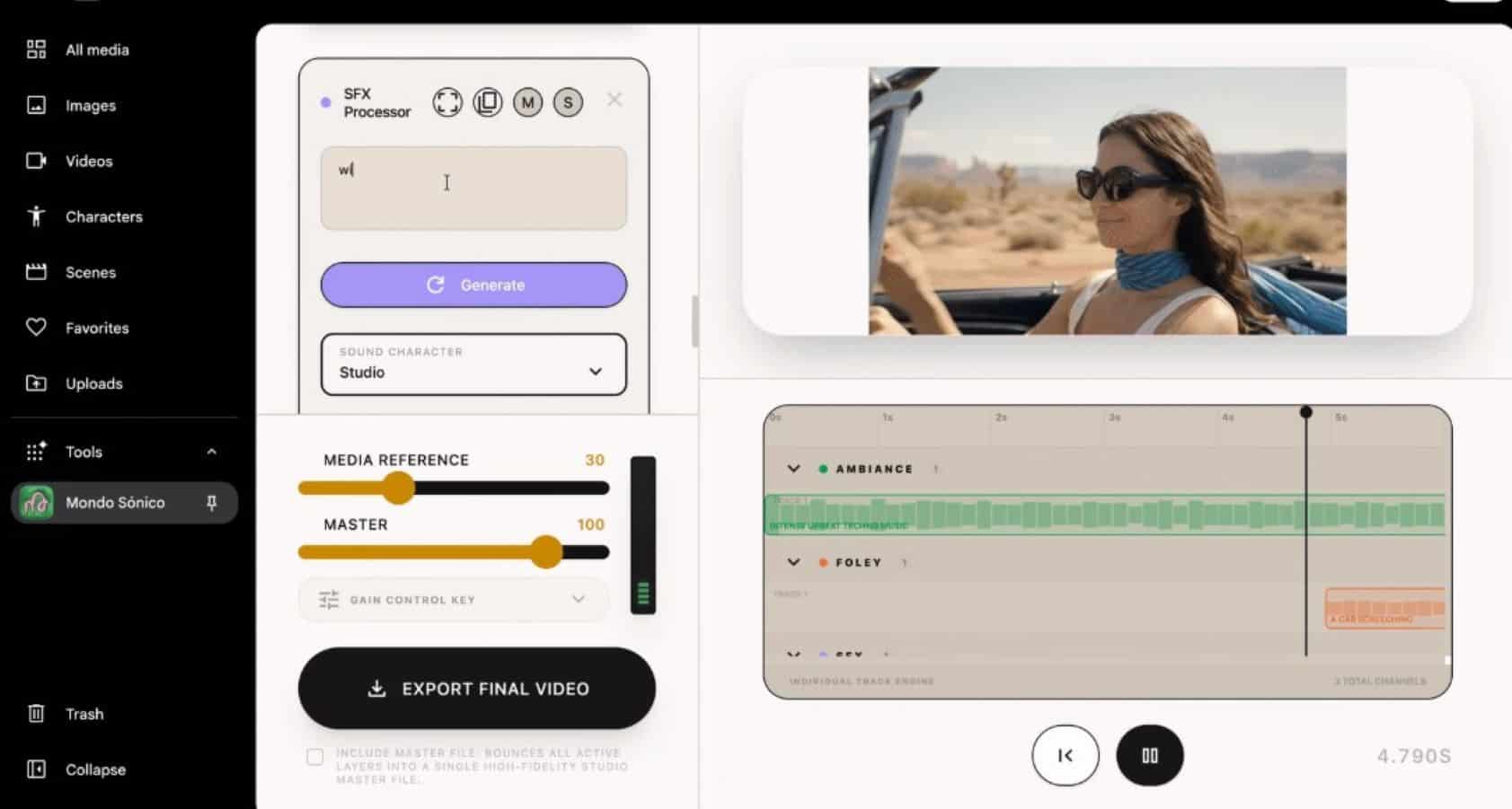
Beyond still images, Firefly has ventured into the dynamic world of video and audio. The Firefly Video Model, now generally available, allows users to generate short video clips from text prompts or even still images. This opens up new possibilities for creating b-roll footage, atmospheric elements, or quick visual concepts without needing to shoot traditional video. The model supports 1080p resolution, with options for adjusting camera angles and motion, giving creators fine-tuned control over the generated output. For audio and video localization, features like Translate Audio and Translate Video can translate content into multiple languages while working to maintain the original voice characteristics, streamlining a often time-consuming process.
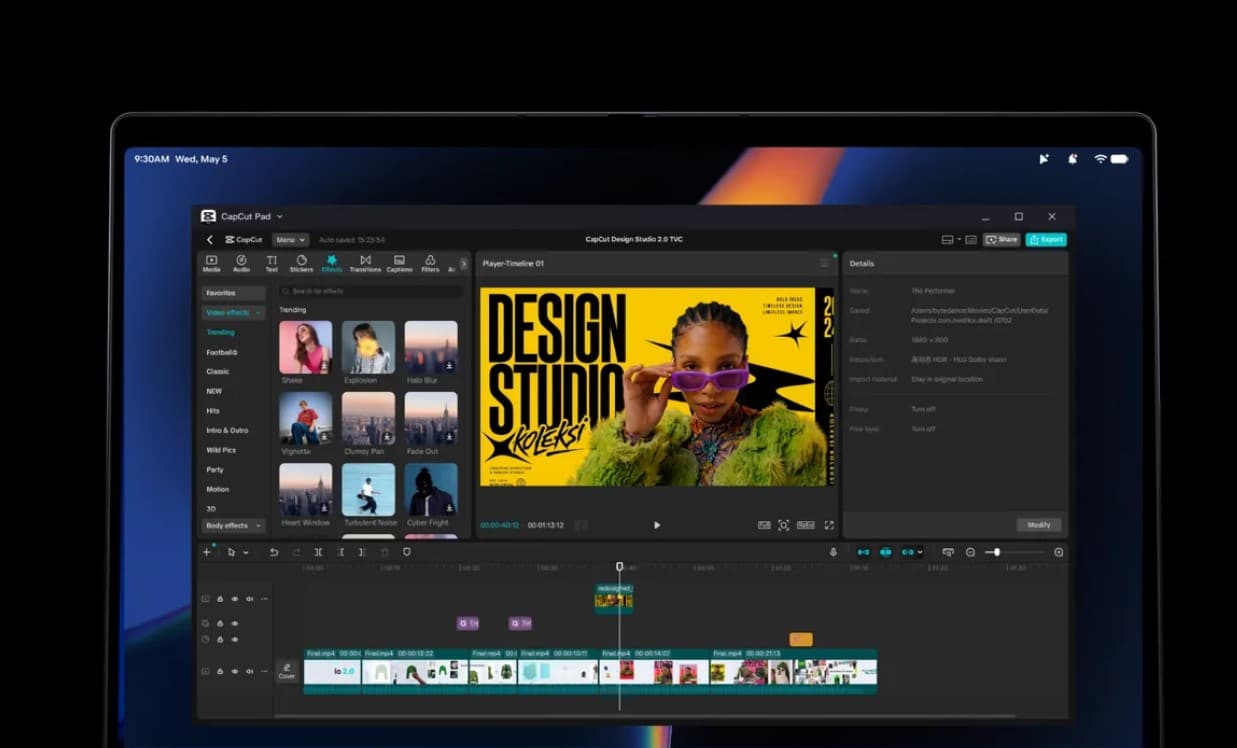
Adobe’s commitment to enhancing creative workflows extends beyond standalone tools. Firefly is woven into the fabric of Adobe’s flagship Creative Cloud applications, including Photoshop, Illustrator, and Premiere Pro. Features powered by Firefly, such as Generative Fill in Photoshop, allow artists to effortlessly add or remove objects, expand images, or change backgrounds using simple text commands. In Illustrator, text-to-vector and generative recolor tools help designers quickly create editable vector graphics and explore color variations. Premiere Pro benefits from features like Generative Extend, which can smoothly extend video clips or transitions using AI-generated frames. This deep integration means creators can leverage the power of generative AI directly within the tools they already know and use, streamlining their process and freeing up time for more conceptual and creative work.
The impact of Firefly on creative workflows is already evident. Businesses and creative teams are reporting significant gains in efficiency and productivity. Companies are using Firefly Services, a collection of Adobe’s generative AI and creative APIs, to automate repetitive tasks, generate variations of assets for different channels and audiences, and accelerate content production pipelines. This is particularly valuable for marketing teams who need to create a high volume of personalized content quickly. Examples from companies like IBM, Mattel, and IPG highlight tangible results, such as increased creative productivity, faster packaging design, and quicker brand-specific output.
Firefly also fosters experimentation and exploration. By lowering the technical barrier to content creation, it empowers individuals and teams to rapidly visualize ideas, test concepts, and iterate on designs. A designer can quickly generate multiple variations of a layout or a photographer can explore different background options for a portrait, all with simple text prompts. This speed and flexibility can help overcome creative blocks and encourage a more fluid, experimental approach to design.
Adobe is also addressing the crucial aspect of transparency and attribution in AI-generated content through Content Credentials. These digital tags are automatically attached to assets created with Firefly, providing details about the origin and any modifications made using AI. This helps users identify AI-generated content and promotes a more transparent digital ecosystem. The company is also exploring ways to compensate creators whose work contributed to training the Firefly models through programs like the Firefly Contributor Bonus.
The Firefly journey is ongoing. Adobe continues to refine its models, add new capabilities, and deepen the integration across its product portfolio. The upcoming Firefly mobile app will bring generative AI tools to creators on the go, allowing for ideation and creation directly from a smartphone or tablet. Furthermore, Adobe is opening the Firefly ecosystem to include partner models from companies like OpenAI and Google, offering creators more aesthetic styles and options within the Firefly app.
In essence, Adobe Firefly is not just a tool; it represents a shift in how we approach creative work. By combining powerful generative AI models with intuitive interfaces and deep integration into professional workflows, Firefly is helping creators work faster, experiment more freely, and bring their visions to life in ways that were previously unimaginable. It’s a testament to the potential of AI when designed with human creativity and ethical considerations at the forefront.