In a gaming world often characterized by instant gratification and clear markers guiding every step, a new title on Steam, “Blue Prince,” is quietly cultivating a surprisingly dedicated player base. These aren’t just players enjoying a game; they appear remarkably committed to a process that feels almost… academic. They are diligently following unwritten instructions, transforming their gaming sessions into something akin to detective work, complete with notebooks filled with scribbled clues and maps.
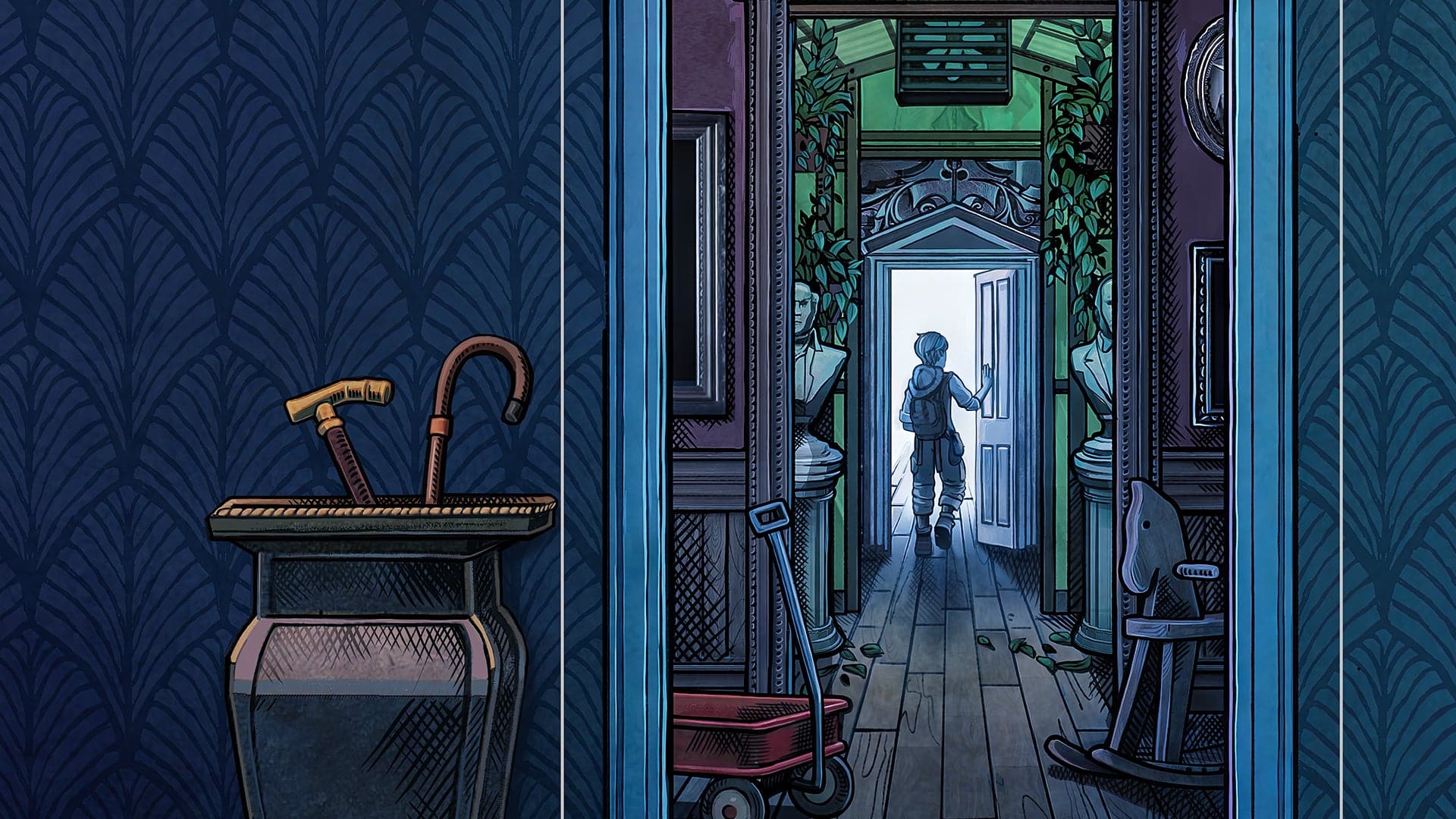
“Blue Prince,” developed by Dogubomb and published by Raw Fury, isn’t your typical game. It’s a first-person experience that blends puzzle-solving with roguelike elements within a constantly shifting architectural marvel – a mysterious mansion known as Mount Holly. The premise is deceptively simple: reach Room 46. But the path there is anything but straightforward. Each day, the layout of the mansion resets. As you open doors, you are presented with a choice of rooms to add to the floor plan from a random selection. This procedural generation means no two runs are exactly alike, demanding constant adaptation and observation from the player.
This is where the surprising commitment emerges. The game doesn’t hold your hand. It doesn’t keep a journal for you or mark objectives clearly on a map. Instead, it scatters clues, hints, and pieces of a larger narrative throughout the various rooms you explore. A note in one room might provide a cryptic clue for a puzzle in another. A drawing on a wall could be the key to understanding a mechanism encountered hours later. This design necessitates players taking an active role in documenting their discoveries.
Walkthroughs and explicit in-game tutorials are minimal. The game subtly, yet firmly, pushes players to become active participants in their own investigation. Community discussions and reviews frequently mention the almost mandatory nature of note-taking. Players share pictures of their physical notebooks, filled with floor plans, symbols, potential safe combinations, and observations about room interactions. This isn’t a niche strategy; it appears to be a widely adopted and celebrated approach within the “Blue Prince” community.
Why are players embracing this seemingly demanding requirement with such fervor? The answer lies in the game’s expertly crafted sense of mystery and discovery. Every observation, every note, feels like a genuine step forward in unraveling the manor’s secrets. The puzzles are not isolated challenges but interconnected threads woven into the fabric of Mount Holly’s history. Solving one puzzle might unlock a new area, reveal a piece of lore, or provide an item that changes how you interact with the environment. This creates a powerful feedback loop that rewards diligent exploration and careful documentation.
The procedural generation, while seemingly a source of potential frustration, actually enhances this commitment. Since the layout changes, players cannot rely on memorizing a static map. They must understand the rules of the house, the potential synergies between rooms, and the types of information different rooms might contain. Their notes become an external memory palace, a stable point of reference in a constantly shifting world. This need to build their own understanding and externalize their knowledge fosters a deeper connection to the game world.
Furthermore, the community around “Blue Prince” on platforms like Steam forums and Reddit showcases this shared commitment. Players aren’t just asking for solutions; they are discussing their note-taking strategies, debating the meaning of cryptic clues, and collectively piecing together the game’s lore. This collaborative aspect reinforces the value of the individual effort in documentation, as personal discoveries can help others and contribute to a shared understanding of the game’s deeper mysteries.
Developers at Dogubomb have indicated that they designed the game to challenge player assumptions and encourage genuine discovery. This philosophy is clearly resonating with players who are willing to put in the extra effort. The act of physically writing down information or meticulously typing it out in a digital document becomes part of the gameplay loop, a necessary and rewarding activity that enhances the feeling of being a true investigator.
In an era where many games prioritize accessibility and streamlined experiences, “Blue Prince” stands out by demanding more from its players. And surprisingly, players are not shying away from this demand. Their commitment to diligent note-taking and methodical exploration isn’t a chore; it’s the very heart of the “Blue Prince” experience, turning each playthrough into a personal investigation filled with moments of genuine revelation. This dedication highlights that deep engagement and a sense of accomplishment can come from a game that respects the player’s intelligence and rewards their willingness to dig deeper.