

For years, Google’s Material Design has been the bedrock of Android’s visual identity, providing a consistent and intuitive experience across billions of devices. But whispers are growing louder, hinting at a significant evolution. Could Google be poised to introduce a fresh, more expressive Material Design theme at its annual I/O developer conference this May? The prospect has designers and Android enthusiasts buzzing with anticipation, wondering if the tech giant is ready to inject a new level of personality and flair into its ubiquitous operating system.
Google I/O, typically held in May, has historically been the stage for major Android announcements and design language updates. Material Design itself was unveiled at I/O in 2014, marking a pivotal shift towards a cleaner, more unified aesthetic. Now, a decade later, the design landscape has evolved, and users are increasingly seeking more personalized and visually engaging experiences. This context fuels the speculation that Google might be preparing a significant design refresh.
Reliable sources within the Android development community have hinted at a potential shift towards a more “expressive” design language. This suggests a move beyond the relatively minimalist approach of current Material Design guidelines. What could this entail? Imagine bolder color palettes, more intricate animations, and perhaps even greater flexibility for developers to inject their brand’s unique identity into their apps while still adhering to core usability principles.
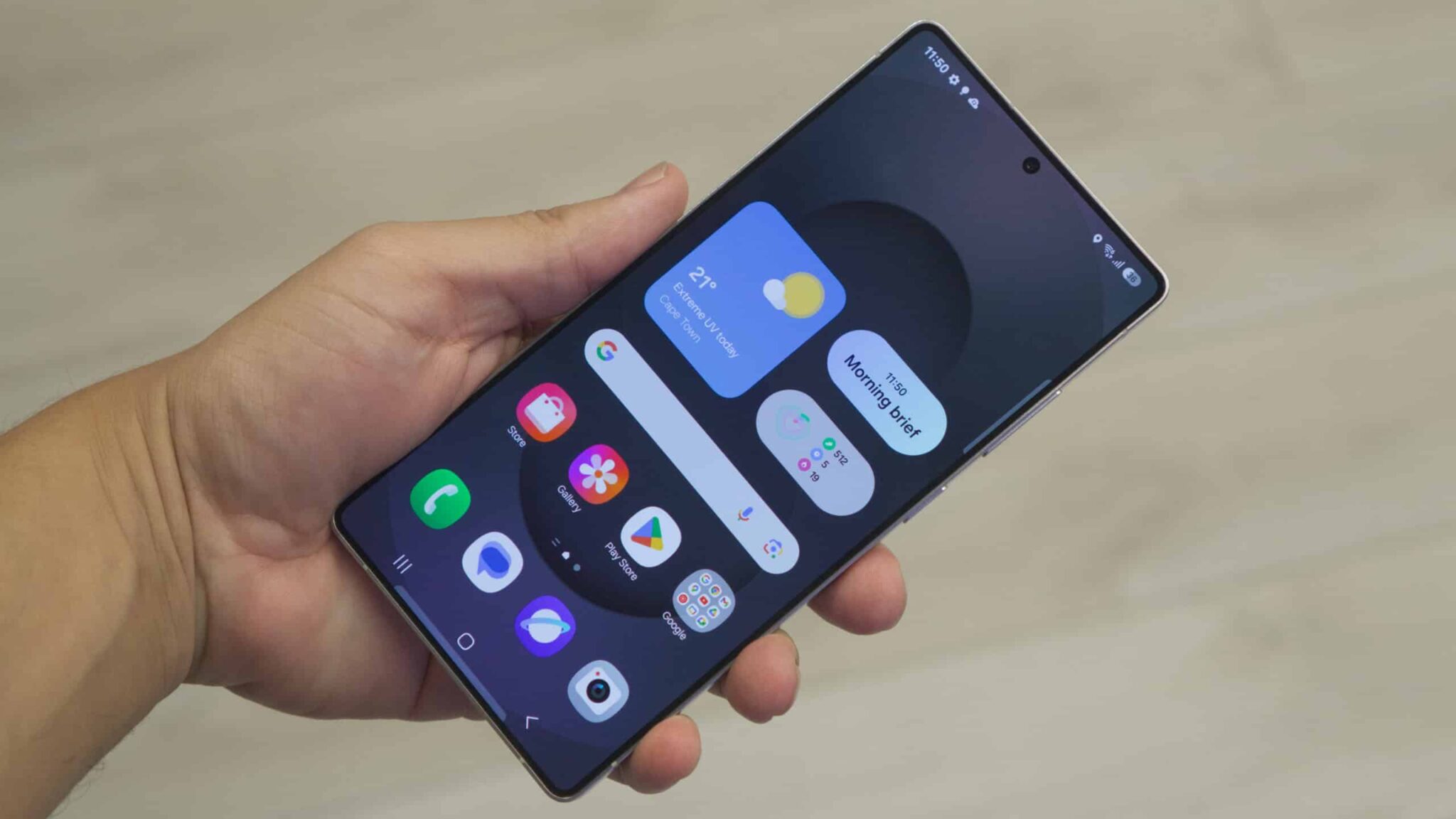
One area ripe for a visual overhaul is the system UI itself. While functional, elements like the notification shade, quick settings, and even the core app launcher have remained relatively consistent in their visual presentation for some time. A new Material Design theme could bring a breath of fresh air to these fundamental components, potentially offering users more customization options or a more visually dynamic experience.
Consider the current trend towards personalization in technology. Users want their devices to reflect their individual tastes and preferences. While Android already offers some level of customization through themes and icon packs, a new expressive Material Design could provide a more integrated and comprehensive approach to visual personalization. This might involve dynamic color palettes that adapt to the user’s wallpaper, more elaborate widget designs, or even customizable system animations.
Furthermore, the increasing prevalence of foldable devices and larger screen experiences presents an opportunity for Google to rethink its design language. An expressive new Material Design could be optimized for these different form factors, taking advantage of the expanded screen real estate with more visually rich layouts and interactions. Imagine apps that adapt their visual style seamlessly across different screen sizes, offering a truly fluid and engaging user experience.
The potential impact on app developers is also significant. Material Design has provided a strong foundation for developers to create consistent and user-friendly apps. A new expressive theme could empower developers with even more tools and guidelines to craft visually stunning and brand-aligned experiences. This could lead to a new wave of creativity in app design, with more unique and engaging interfaces hitting the Play Store.
Of course, Google faces the challenge of balancing expressiveness with consistency and usability. Material Design’s strength has always been its ability to provide a unified experience across the Android ecosystem. Any significant changes must be carefully considered to avoid fragmentation or confusion for users. The key will likely be to offer a framework that allows for greater visual flair while still adhering to core design principles that ensure ease of use and accessibility.
Looking back at Google’s design history, the company has shown a willingness to evolve its visual language over time. From the early days of “Holo” to the introduction of Material Design and its subsequent refinements, Google has consistently sought to improve the user experience through thoughtful design. This history suggests that a significant update to Material Design is not only possible but perhaps even inevitable.
The anticipation surrounding a potential new Material Design theme at I/O this May is palpable. The prospect of a more expressive and personalized Android experience is genuinely exciting. If Google does indeed unveil a significant visual refresh, it could mark a new chapter in Android’s design evolution, potentially inspiring a new wave of creativity and user engagement across the platform. As May draws closer, the tech world waits with bated breath to see if Google will once again redefine the look and feel of the world’s most popular operating system. The question remains: will Google finally unleash a visually stunning and emotionally engaging new era for Android design at I/O this year? Only time will tell, but the signs certainly point towards a potentially groundbreaking announcement that could reshape how we interact with our devices every single day.