

The beloved PlayStation, Sony’s groundbreaking entry into the console wars, is getting a new lease on life thanks to a cutting-edge FPGA-powered console. This isn’t your typical emulator box; it’s a meticulously engineered piece of hardware designed to replicate the original PlayStation’s experience with stunning accuracy. And the best part? You can ditch the discs! This new console allows for ROM loading, offering a modern twist on a classic system.
For those unfamiliar with FPGAs, they are essentially blank slates that can be programmed to mimic the behavior of specific hardware. In this case, the FPGA at the heart of this console has been configured to precisely emulate the PlayStation’s processor, graphics chip, and sound hardware. This results in a level of accuracy and compatibility that traditional software emulation often struggles to achieve. The project is the brainchild of a dedicated team of retro gaming enthusiasts and hardware engineers who sought to create the definitive way to experience PlayStation classics. Their goal was to preserve gaming history while offering a convenient and reliable platform for both old and new generations of gamers.
Now, let’s dive deeper into why this FPGA-powered console is generating so much excitement in the retro gaming community.
Why FPGA? The Pursuit of Perfection
Emulation has come a long way, with software emulators like ePSXe and PCSX-Reloaded offering a decent way to play PlayStation games on modern PCs. However, these emulators rely on approximating the original hardware’s behavior through software, which can lead to inaccuracies, glitches, and compatibility issues.
FPGA, on the other hand, takes a different approach. By configuring the FPGA to precisely match the original PlayStation’s hardware logic, this console delivers an experience that is virtually indistinguishable from the real thing. This means:
- Pixel-perfect accuracy: Say goodbye to graphical glitches and timing issues. Games run exactly as they did on the original hardware.
- Enhanced compatibility: A wider range of games are likely to be playable without encountering problems.
- Reduced input lag: FPGA emulation often results in lower input latency compared to software emulation, leading to a more responsive and enjoyable gaming experience.
- Nostalgia done right: For purists, this is the closest you can get to the original PlayStation experience without dusting off your old console.
Goodbye Discs, Hello Convenience!
One of the most exciting features of this new console is its ability to play games from ROMs. This means you can say goodbye to swapping discs and worrying about scratches or disc rot. Simply load your favorite PlayStation games onto a storage device and enjoy instant access to your entire library.
Of course, this raises the issue of legality. Downloading ROMs for games you don’t own is piracy, and we don’t condone that. However, this console offers a convenient way to play backups of games you already own, preserving your original discs and ensuring you can still enjoy your collection for years to come.
More Than Just an Emulator
This FPGA-powered console is more than just a way to play old games. It’s a testament to the ingenuity of the retro gaming community and their dedication to preserving gaming history. By pushing the boundaries of emulation technology, they’ve created a device that offers the best of both worlds: the accuracy and authenticity of original hardware combined with the convenience and flexibility of modern technology.
What to Expect
While details are still emerging, here are some of the features we can likely expect from this FPGA-powered PlayStation console:
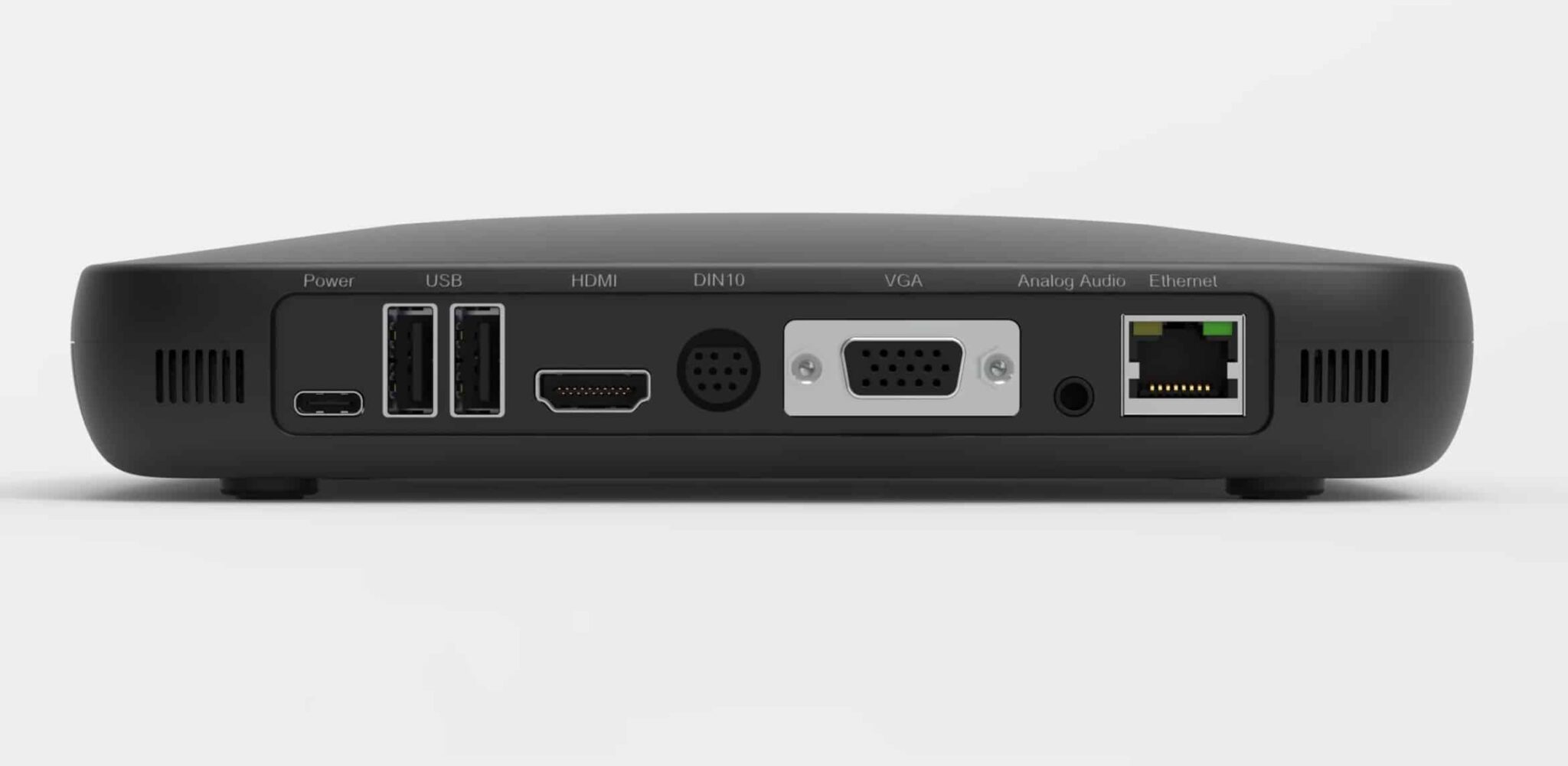
- Multiple video output options: Support for HDMI and possibly even original AV connections for those who want the full retro experience.
- Save state functionality: The ability to save your progress at any point in a game, a feature not available on the original PlayStation.
- Upscaling options: Potentially offering various upscaling filters to improve the visual quality of games on modern displays.
- Controller compatibility: Support for original PlayStation controllers as well as modern alternatives.
- Compact design: Likely to be much smaller than the original PlayStation console.
The FPGA-powered PlayStation console is still in development, but it’s already generating a lot of buzz in the retro gaming community. This is a device that has the potential to redefine how we experience classic games. It’s a celebration of gaming history, a testament to technological innovation, and a gift to gamers of all ages.