

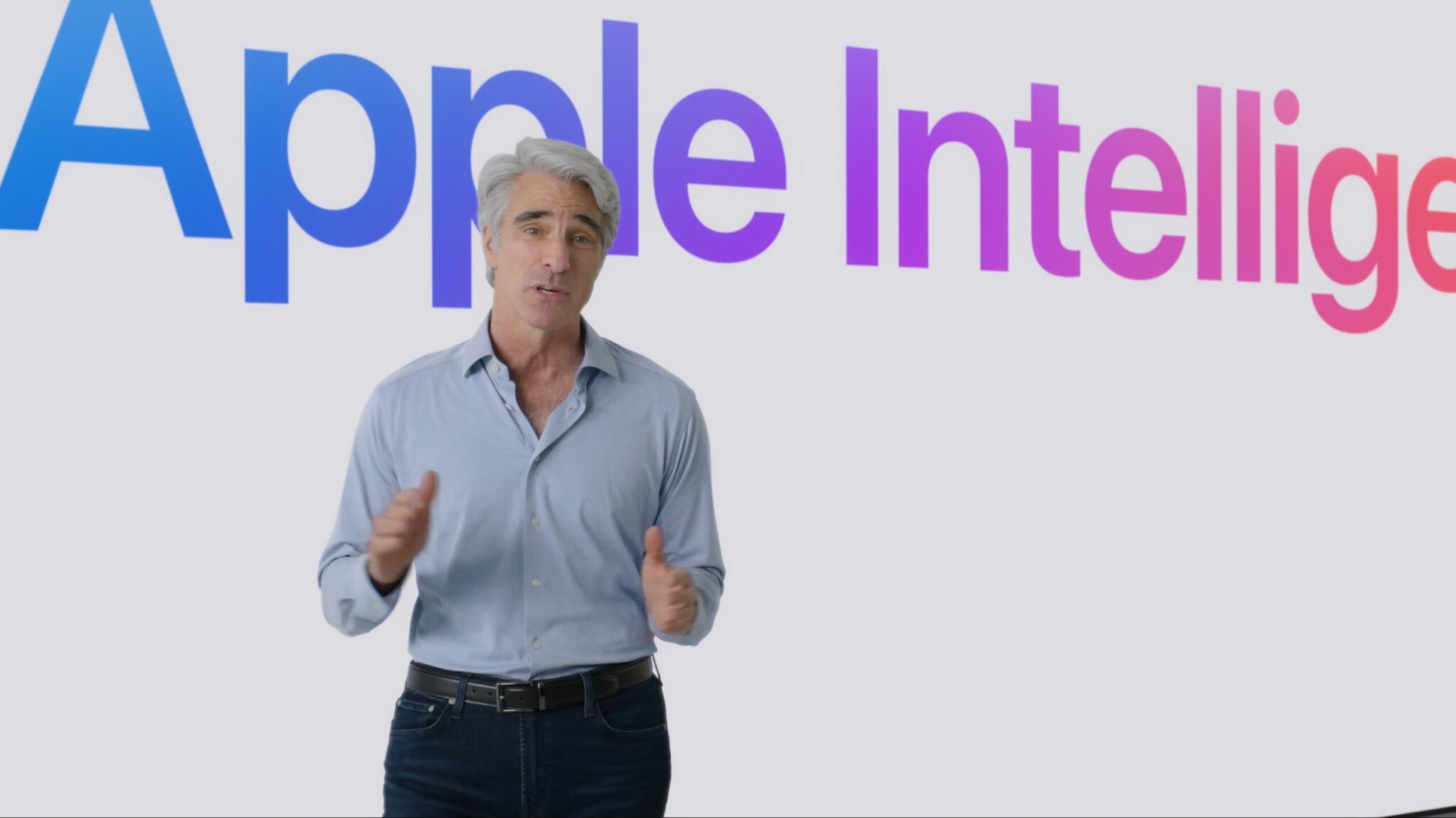
Apple’s Senior Vice President of Software Engineering, Craig Federighi, recently shed light on the company’s strategic decision to take a phased approach in rolling out its highly anticipated Apple Intelligence features. In an interview with The Wall Street Journal, Federighi emphasized Apple’s commitment to delivering a polished and refined user experience, prioritizing quality over speed. This deliberate strategy marks a significant departure from the industry trend of rushing to market with AI capabilities.
Why is Apple choosing to take a more measured approach? Federighi explained that Apple Intelligence represents a long-term vision, a “decades-long arc of technology.” Instead of unveiling all the features at once, the company will gradually introduce them over several months, starting with the release of iOS 18.1 on October 28th. This phased rollout allows Apple to meticulously fine-tune each feature, ensuring it meets the company’s high standards before being released to the public.
“You could put something out there and have it be sort of a mess,” Federighi stated, highlighting the potential pitfalls of a hasty launch. “Apple’s point of view is more like, ‘Let’s try to get each piece right and release it when it’s ready.'”
This approach reflects Apple’s broader philosophy of prioritizing user experience and seamless integration. By taking the time to perfect each Apple Intelligence feature, the company aims to deliver a truly transformative and intuitive experience for its users.
Key Takeaways from Federighi’s Explanation:
- Phased Rollout: Apple Intelligence features will be released in stages, starting with iOS 18.1 on October 28th.
- Focus on Quality: Apple prioritizes delivering a polished and refined user experience over rushing to market.
- Long-Term Vision: Apple Intelligence is a long-term project with continuous development and improvement.
- User-Centric Approach: Apple aims to ensure each feature is seamlessly integrated and easy to use.
My Perspective:
As an AI enthusiast, I’ve been eagerly following the development of Apple Intelligence. While the wait might be frustrating for some, I believe Apple’s cautious approach is ultimately beneficial. In a world where AI is often overhyped and under-delivered, Apple’s commitment to quality is refreshing. I’m confident that this strategy will result in a more polished and user-friendly AI experience.
Think about it: how many times have we seen AI features launched with much fanfare, only to find them buggy, unreliable, or simply not useful? Apple’s phased rollout allows them to gather user feedback and make necessary adjustments along the way. This iterative process should lead to more robust and valuable AI capabilities in the long run.
What can we expect from Apple Intelligence in the coming months? While the specifics remain under wraps, Federighi’s comments suggest a focus on enhancing existing features and introducing new ways for users to interact with their devices. Imagine personalized automation, intelligent suggestions, and proactive assistance that seamlessly integrates into your daily workflow. The possibilities are truly exciting.
One thing is clear: Apple is playing the long game with AI. By prioritizing quality and user experience, the company is positioning itself to deliver truly meaningful and impactful AI capabilities that will shape the future of technology.